
Do you ever reach the end of your day, look at the clock, and wonder where the last twelve hours went? In the fast-paced, hyper-connected world of 2026, it is easier than ever to fall into the trap of the “passive excursion.” We wake up to a barrage of notifications, react to the demands of others, and find ourselves drifting through life on autopilot. However, learning how to make every day feel intentionally used is not about doing more; it is about doing what matters.
Living intentionally is a conscious choice to sit in the driver’s seat of your own life. It means making decisions based on your core values and long-term goals rather than acting on impulse or external pressure. As we navigate a year defined by advanced AI integration and a shifting global economy, the ability to reclaim your time is the ultimate competitive advantage. This guide will provide you with a comprehensive roadmap to transforming your daily routine into a purposeful journey.
The Psychology of Intentionality: Why We Feel “Used” by Time
Before we can fix our schedules, we must understand why time often feels like it’s slipping through our fingers. Psychologists suggest that when we lack clear intentions, our brains default to the path of least resistance. This often leads to “doom-scrolling,” over-committing to low-value tasks, and a general sense of cognitive fog.
In 2026, the average person processes more information in a single morning than an individual in the 1990s did in a month. This information overload creates a sense of “time poverty.” To combat this, we must shift our mindset from being reactive to being proactive. Intentionality is the filter that allows you to say “yes” to what nourishes you and “no” to what drains you.
Moving from Passive to Active Living
Being intentional means you stop living to fulfill someone else’s dream and start focusing on your own. According to recent lifestyle studies, individuals who set specific, measurable goals and align their daily actions with those goals report a 40% higher satisfaction rate with their quality of life. You are responsible for your own happiness, and that starts with how you spend your next twenty-four hours.
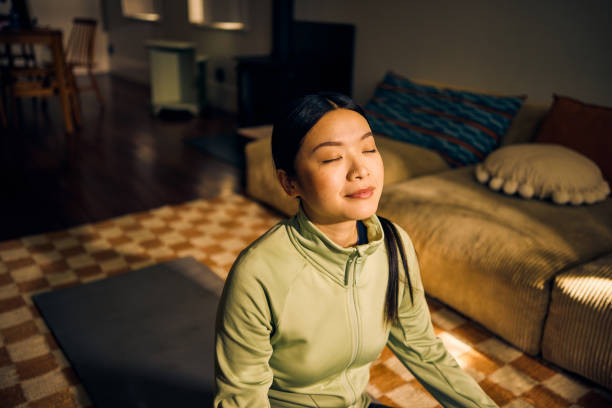
1. Design a “Driver’s Seat” Morning Routine
How you start your day often dictates how the rest of it unfolds. If the first thing you do is check your email or social media, you are immediately putting yourself in a reactive state. You are letting the world tell you what to think about.
To make every day feel intentionally used, you must claim the first hour for yourself. This doesn’t mean you need a grueling 5:00 AM workout; it means you need a mindful transition into the day.
The Power of “Micro-Intentions”
Instead of a vague “to-do” list, try setting three micro-intentions each morning. These are not tasks, but ways of being. For example:
“Today, I will listen more than I speak.”
“I will complete my most difficult project before noon.”
“I will take a full hour away from screens during lunch.”
Establishing a Tech-Free Zone
In 2026, our devices are more intrusive than ever. Establish a rule that you will not touch your phone for the first 30 minutes of the day. Use this time for meditation, journaling, or light movement. This creates a mental buffer that protects your focus and ensures you are entering the day with a clear head.
2. Aligning Daily Actions with Core Values
One of the primary reasons days feel “wasted” is a disconnect between what we do and what we value. If you value health but spend eight hours sitting without a break, you will feel a sense of internal friction.
Identifying Your “North Star”
Take a moment to write down your top five values. These might include family, creativity, financial freedom, health, or learning. Once you have this list, look at your calendar. How much of your time is actually dedicated to these categories?
To live intentionally, you must audit your time. If “learning” is a core value, but you haven’t read a book or taken a course in months, your day will feel unfulfilled. Even 15 minutes of dedicated practice toward a value can change the entire “flavor” of your day, making it feel used rather than lost.
The Rule of Three
To avoid overwhelm, use the Rule of Three. Each morning, identify the three most important tasks that will move the needle on your long-term goals. If you complete these three things, the day is a success, regardless of what else happens. This prevents the “busy-work” trap where you do a hundred small things but achieve nothing of substance.
3. Romanticizing Your Life: The Art of Savoring
Intentionality isn’t just about productivity; it’s about presence. In 2026, the “Slow Living” movement has evolved into what experts call “Romanticizing Your Life.” This involves actively seeking out and savoring the beauty in mundane moments.
Cultivating Positive Emotions
Dr. Romanoff, a leading psychologist, suggests that romanticizing life is about driving positive emotions by noticing small details. This could be the way the sunlight hits your desk, the aroma of your morning coffee, or the texture of the clothes you wear. When you savor these experiences, you slow down your perception of time.
Sensory Awareness and Mindfulness
Practice sensory grounding throughout the day. Stop for 60 seconds and identify:
Five things you can see.
Four things you can touch.
Three things you can hear.
Two things you can smell.
One thing you can taste.
This practice pulls you out of your head and into the present moment, ensuring that your day doesn’t just pass you by in a blur of thoughts.
4. Navigating the Digital Noise of 2026
We are living in an era of hyper-distraction. With AI-generated content and immersive digital environments, our attention is the most valuable commodity on earth. To make your day feel intentionally used, you must become a guardian of your focus.
Strategic Disconnection
Set “Digital Sunsets” and “Digital Sunrises.” This means your devices are turned off or put in another room at a specific time each evening and not touched until a specific time each morning. Additionally, use focus modes on your devices to block notifications during deep work sessions.
The “One Task” Rule
Multi-tasking is a myth that leads to “attention residue”—the mental cost of switching from one task to another. To be intentional, commit to single-tasking. When you are writing, just write. When you are eating, just eat. When you are talking to a friend, put your phone away. This level of presence makes every interaction and task feel more significant and “used” properly.
5. The Power of “No” and the Grace of Reflection
You cannot live intentionally if you are a “people pleaser.” Every time you say “yes” to something that doesn’t align with your values, you are saying “no” to something that does. Learning to say no with grace is a vital skill for 2026.
Guarding Your Energy
Intentionality requires energy. If you are constantly drained by social obligations or low-priority meetings, you won’t have the mental capacity to pursue your passions. Audit your commitments weekly. Ask yourself: “Does this task or meeting help me reach my goals or honor my values?” If the answer is no, it’s time to delegate, delete, or decline.
The Evening Review
At the end of each day, spend five minutes in reflection. This is the “bookend” to your morning routine. Ask yourself:
- What went well today?
- Did I act in alignment with my values?
- What is one thing I can do better tomorrow?
This practice provides closure. It prevents the day’s stresses from bleeding into your sleep and helps you wake up the next morning with a renewed sense of purpose.
6. Practical Systems for Sustained Intentionality
While mindset is crucial, systems make intentionality sustainable. In 2026, we have access to incredible tools, but the simplest systems are often the most effective.
Time Blocking vs. To-Do Lists
Instead of a list of tasks, try time blocking. Assign a specific block of time on your calendar for every activity—including rest and meals. This gives you a visual representation of your day and forces you to be realistic about what you can actually achieve. When time is blocked, it is “used” by design, not by accident.
Habit Stacking
The easiest way to build an intentional life is through habit stacking. Take a habit you already have (like brushing your teeth) and “stack” a new intentional habit on top of it (like reciting a daily affirmation). This uses the existing neural pathways in your brain to make new behaviors stick.
Conclusion: Your Time is Your Life
Making every day feel intentionally used is not a destination; it is a daily practice. It is the result of a thousand small choices: the choice to put down the phone, the choice to say no to a draining request, and the choice to savor a quiet moment of beauty.
As we move through 2026, don’t let the world’s frantic pace dictate your internal rhythm. By aligning your actions with your values, designing mindful routines, and protecting your focus, you can transform your relationship with time. You are no longer just a passenger in your life; you are the architect. Start today by choosing one small intention and watching how it ripples through your entire day.