
Water is the foundation of human life, making up roughly 60% of your total body weight. Because your body cannot store water in the same way it stores fat or glycogen, you are in a constant state of turnover. But have you ever wondered exactly how long it takes for your body to start feeling the impact of missed hydration?
In 2026, with rising global temperatures and increased focus on physical wellness, understanding the timeline of hydration is more critical than ever. Whether you are an athlete pushing your limits or simply busy at a desk, the onset of dehydration is often faster than most people realize.
The Early Onset: How Fast Does Dehydration Start?
You do not need to go days without a sip of water to experience the negative effects of dehydration. In fact, your body begins to react to fluid loss within just a few hours. If you are in a high-exertion environment—such as a gym or a sweltering outdoor setting—the clock starts ticking much faster.
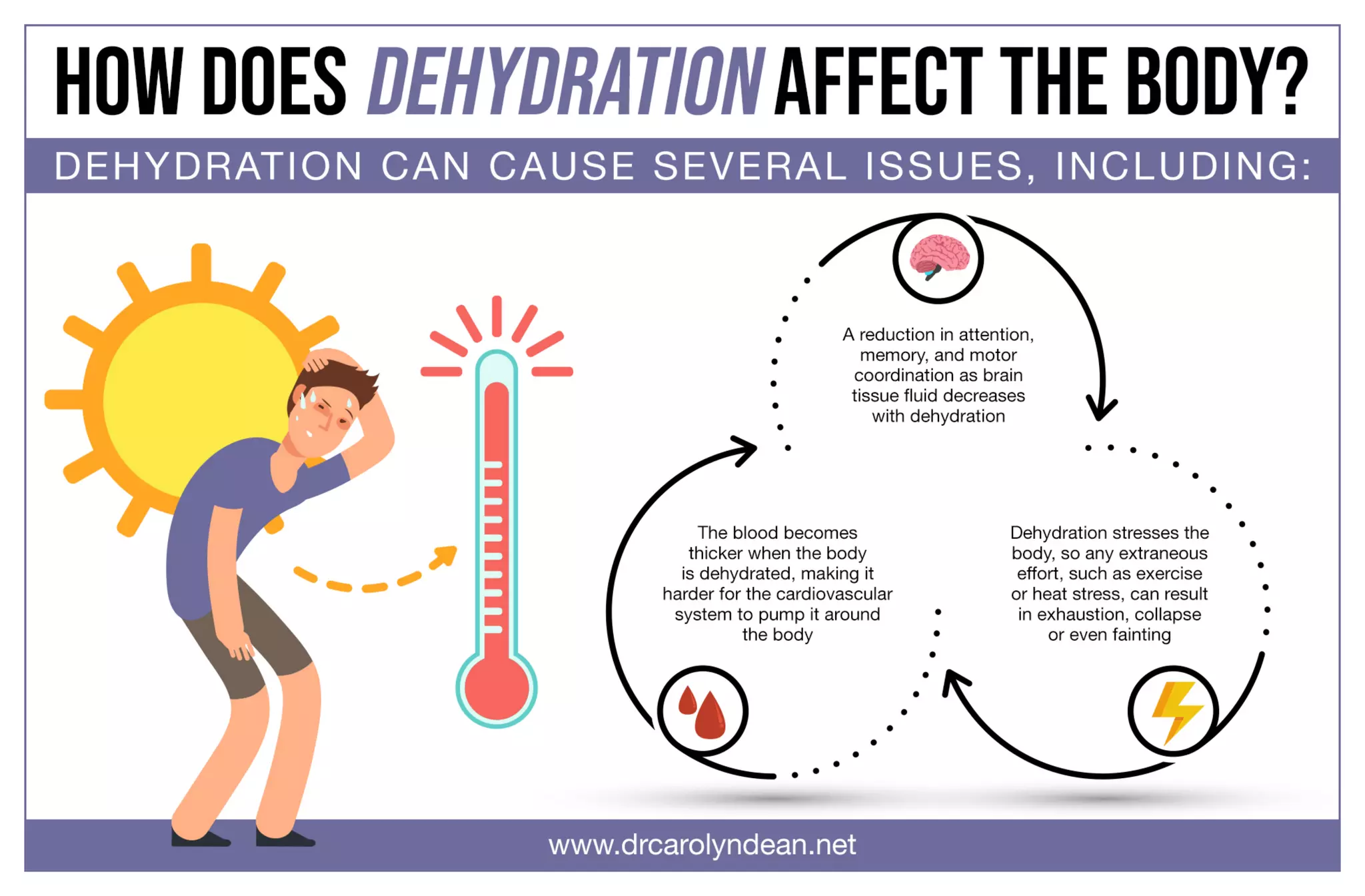
Once you lose as little as 1% to 2% of your body’s water content, your brain begins to signal distress. You might notice subtle changes in your cognitive function, mood, and energy levels before you even feel the sensation of thirst.
The First 1–3 Hours of Fluid Deficit
During the initial phase, your body attempts to maintain homeostasis by pulling water from your bloodstream. This leads to a slight decrease in blood volume, forcing your heart to work harder to pump oxygenated blood to your muscles and brain.
- Mild symptoms: Dry mouth, slightly darker urine, and a feeling of lethargy.
- Cognitive impact: Difficulty focusing or a slight headache.

Factors Influencing Dehydration Speed
Not everyone experiences dehydration at the same rate. Your personal “hydration clock” depends on several biological and environmental variables. Understanding these factors is key to preventing the onset of symptoms.
Environmental Stressors
In 2026, heatwaves are becoming more frequent. High temperatures combined with low humidity cause your body to lose moisture through invisible perspiration. Even if you aren’t visibly sweating, you are losing fluid through your skin and respiratory system.
Individual Differences
- Age: Infants and the elderly are at significantly higher risk. Older adults often lose their sense of thirst, while infants have a higher percentage of total body water that can be depleted rapidly.
- Activity Level: High-intensity exercise increases your metabolic rate and sweat production, potentially accelerating dehydration by several hours compared to a sedentary state.
- Health Conditions: Individuals with diabetes, kidney issues, or those taking certain medications (like diuretics) may reach a state of clinical dehydration much faster than the average person.
The Progression: From Mild to Severe
Dehydration is not a static state; it is a progressive condition. If left unaddressed, the body moves through distinct stages of distress.
- Mild Dehydration: Characterized by thirst, dry mouth, and fatigue. This is easily corrected by drinking water or electrolyte-rich fluids.
- Moderate Dehydration: Symptoms escalate to dizziness, rapid heart rate, and sunken eyes. At this stage, your body is struggling to regulate its temperature.
- Severe Dehydration: This is a medical emergency. Symptoms include confusion, loss of consciousness, and organ failure. If you or someone you know reaches this stage, immediate professional medical care is required.
The Myth of the “Three-Day Rule”
You may have heard the common rule of thumb that humans can survive three days without water. While this is a general biological guideline, it is heavily dependent on your surroundings. In extreme desert conditions, a human could potentially suffer from life-threatening dehydration in less than 24 hours.
Survival is not the same as optimal health. Long before you reach the point of life-or-death, your body’s physical performance, digestive health, and mental clarity will have plummeted. In 2026, the focus should be on proactive hydration rather than survival.
Practical Tips for Staying Hydrated
To avoid the onset of dehydration symptoms, you must stay ahead of your thirst.
- Monitor your urine: Pale, straw-colored urine is the gold standard for hydration.
- Electrolyte balance: If you are sweating heavily, water alone may not be enough. Incorporating electrolytes like sodium, potassium, and magnesium helps your body retain fluids more effectively.
- Listen to your body: If you feel a headache coming on or notice a “brain fog,” take a break and consume 8–16 ounces of water immediately.
Conclusion
How long does dehydration take to affect the body? The answer is: sooner than you think. Whether it is the subtle dip in concentration after two hours of work or the physical fatigue after a workout, your body is constantly communicating its need for fluids. By respecting these signals and maintaining a consistent intake throughout the day, you can protect your long-term health and peak performance in 2026 and beyond.