
When you are dealing with a throbbing headache, a sports injury, or a persistent toothache, every minute feels like an eternity. You reach for the medicine cabinet, grab a bottle of ibuprofen, and wait. But exactly how long does ibuprofen take to work for pain in 2026, and are there ways to make it work faster?
In this updated guide, we explore the precise timelines for relief, the science behind how this Non-Steroidal Anti-Inflammatory Drug (NSAID) interacts with your body, and the latest medical insights to help you manage pain effectively.
The Short Answer: The Ibuprofen Timeline
For most healthy adults, ibuprofen begins to provide noticeable relief within 20 to 30 minutes of ingestion. However, the journey from swallowing a pill to feeling “pain-free” involves several stages:
- Onset of Action (20–30 Minutes): This is when the medication has been absorbed into the bloodstream and begins blocking pain signals.
- Peak Effectiveness (1–2 Hours): You will experience the maximum pain-relieving effects roughly one to two hours after taking the dose.
- Duration of Relief (4–6 Hours): For acute pain, a single standard dose typically lasts between four and six hours before its concentration in the blood begins to drop significantly.
How Ibuprofen Works Within the Body
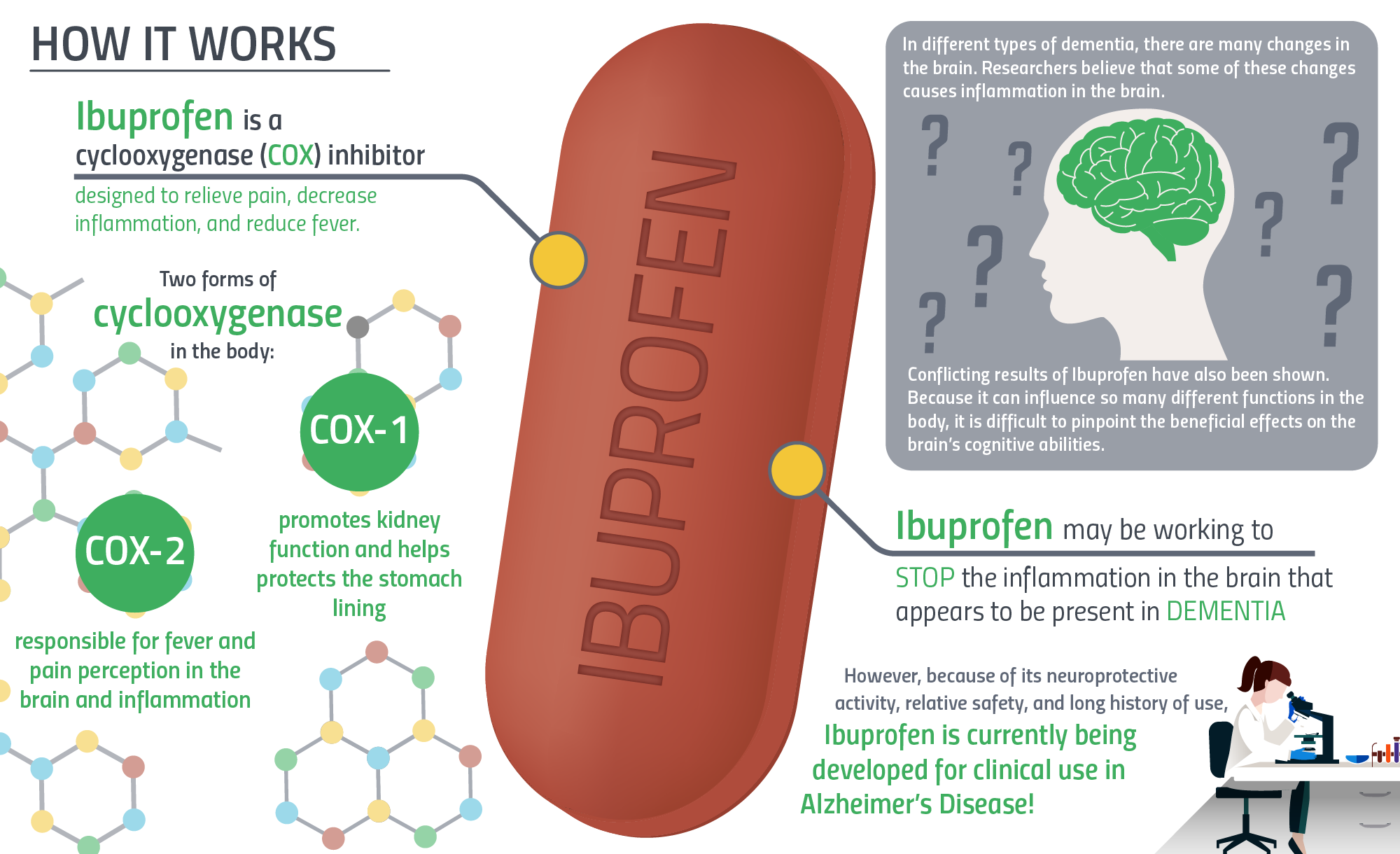
To understand the timeline, we must look at the mechanism of action. Ibuprofen works by inhibiting enzymes known as cyclooxygenase (COX-1 and COX-2). These enzymes are responsible for producing prostaglandins, which are chemicals in the body that signal pain and trigger inflammation.
By reducing the production of prostaglandins at the site of injury or illness, ibuprofen effectively “turns down the volume” on your pain receptors. This is why it is classified as an analgesic (pain reliever), an antipyretic (fever reducer), and an anti-inflammatory.
Factors That Affect How Fast Ibuprofen Works
Not everyone experiences relief at the same speed. Several biological and environmental factors can influence the pharmacokinetics of the drug.
1. Form of Medication
In 2026, we have more options than ever. Liquid-filled capsules (gels) generally work faster than traditional hard-pressed tablets because the medication is already in a dissolved state, allowing for quicker absorption through the stomach lining.
2. Food Intake
Taking ibuprofen on an empty stomach may lead to faster absorption, often hitting the 20-minute mark. However, medical professionals often recommend taking it with a small snack to prevent gastrointestinal irritation. While food might delay the onset by 10 to 15 minutes, it protects your stomach lining in the long run.
3. Metabolism and Age
Your individual metabolic rate plays a significant role. Younger individuals with faster metabolisms may process the drug more quickly, while older adults might find it takes a bit longer to reach peak plasma concentration.
<img alt="Acetaminophen vs. ibuprofen: Which should you pick?" src="https://osf-blog.live.imagescape.com/blog/wp-content/uploads/2023/04/Pain-Med-ComparisonIG1080×135003-23FIN.png” style=”max-width:100%; height:auto; border-radius:8px; margin: 1rem 0;” />
Ibuprofen for Different Types of Pain
The timeline for relief can vary depending on what you are trying to treat.
Acute Pain (Headaches and Toothaches)
For simple acute pain, the 20 to 30-minute window is standard. Because these issues are often caused by immediate nerve irritation, the reduction in prostaglandins provides rapid comfort.
Fever Reduction
If you are using ibuprofen to break a fever, you might notice your temperature beginning to drop within 30 to 60 minutes. The full cooling effect usually stabilizes by the two-hour mark.
Chronic Inflammation and Arthritis
This is where the timeline changes significantly. For conditions like rheumatoid arthritis or chronic swelling, a single dose won’t solve the problem. Clinical data suggests that for chronic inflammatory conditions, it may take several days of regular dosing (as directed by a doctor) before you feel the full therapeutic benefits.
Maximizing the Speed of Relief Safely
If you are in intense pain and need the medication to kick in as quickly as possible, consider these 2026 best practices:
- Stay Hydrated: Water helps move the pill into the small intestine, where the bulk of absorption happens.
- Choose the Right Format: Opt for solubilized ibuprofen (liquid gels) if speed is your primary concern.
- Don’t “Double Up”: Taking more than the recommended dose won’t make it work faster; it will only increase the risk of side effects like stomach ulcers or kidney strain.
- Timing is Key: For predictable pain (like menstrual cramps), taking ibuprofen at the very first sign of discomfort can prevent the “pain cascade” from reaching its peak.
Ibuprofen vs. Other Pain Relievers
Many people wonder if they should choose ibuprofen (Advil, Motrin) or acetaminophen (Tylenol).
- Ibuprofen is superior for pain caused by inflammation (like a sprained ankle or arthritis).
- Acetaminophen is often preferred for simple headaches or for those with sensitive stomachs, as it does not inhibit prostaglandins in the same way and is gentler on the gastric lining.
In 2026, dual-action pills that combine low doses of both ibuprofen and acetaminophen have become increasingly popular for managing moderate pain, as they attack pain through two different biological pathways simultaneously.
Safety Precautions and Side Effects
While ibuprofen is a staple of modern medicine, it is not without risks. To ensure your safety:
- Limit Use: Avoid taking ibuprofen for more than 10 consecutive days unless under a doctor’s supervision.
- Check for Interactions: Ibuprofen can interact with blood thinners, blood pressure medications, and other NSAIDs (like aspirin or naproxen).
- Watch for Warning Signs: If you experience severe stomach pain, black stools, or an allergic reaction (rash/swelling), seek medical attention immediately.
Conclusion: Patience and Efficacy
In summary, if you are asking “how long does ibuprofen take to work for pain,” you can generally expect to feel better in about half an hour. By the two-hour mark, the drug will be at its strongest, providing a window of relief that lasts most of the afternoon or evening.
While we all want instant results, the biological process of reducing inflammation takes time. By choosing the right formulation and following safety guidelines, you can ensure that your path to recovery in 2026 is both fast and effective.