
We have all been there: you bump into a coffee table or trip over a rug, and by the next morning, a colorful, tender mark has appeared. While bruises are a common part of life, they often leave us wondering: how long does it take for a bruise to fade? In 2026, understanding the healing process is simpler than ever, though the timeline can be as unique as the injury itself.
Most minor contusions follow a predictable path, but knowing what is “normal” versus what requires a doctor’s visit is key to peace of mind. Let’s dive into the science of skin recovery and how you can help your body heal faster.
The Standard Healing Timeline: What to Expect
For the average person, a bruise typically follows a standard trajectory. In most cases, you can expect the mark to disappear completely within two weeks.
However, it is important to remember that this is an average, not a rule. Some minor bruises may vanish in just a few days, while deeper tissue injuries can persist for up to four weeks.

The Color Progression of a Bruise
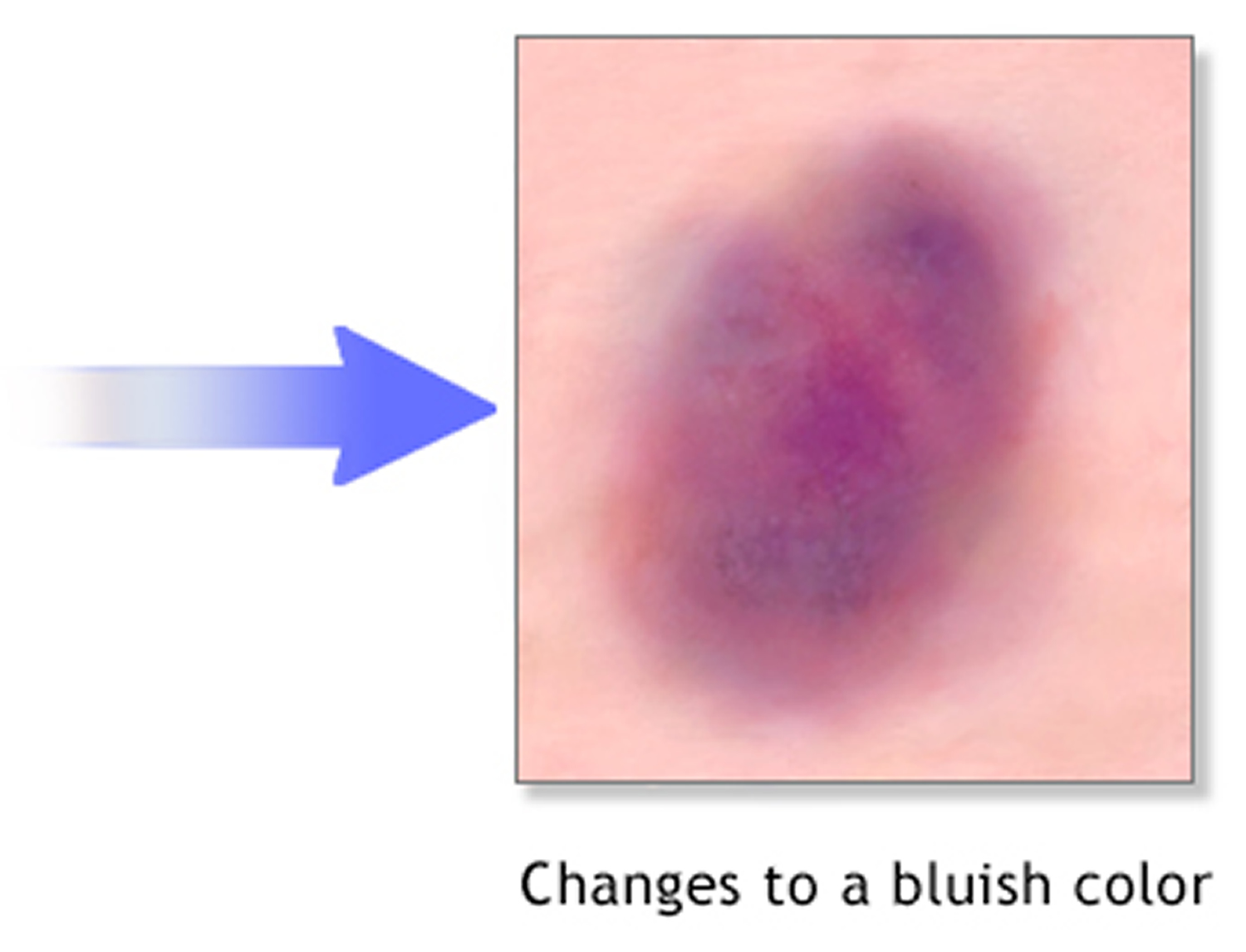
As your body breaks down the trapped blood beneath your skin, the bruise will change colors. This is a sign that your body is effectively cleaning up the injury. Here is the typical progression you might observe in 2026:
- Red/Pink: This occurs immediately after the impact as blood leaks from damaged capillaries.
- Blue/Purple/Black: Within a day or two, the blood deoxygenates, turning the skin dark.
- Green: As the body starts breaking down the hemoglobin, the bruise turns greenish after about 5–7 days.
- Yellow/Brown: In the final stages of healing, the bruise fades into a yellowish or light brown hue before disappearing entirely.
Factors That Influence Healing Speed
Why does your friend’s bruise disappear in three days while yours hangs around for two weeks? Several biological and environmental factors determine the duration of the healing process.
1. Location of the Injury
Where you are bruised matters significantly. Bruises on your legs or feet often take longer to fade than those on your arms or face. This is due to gravity and lower circulation in the lower extremities, which can slow down the body’s ability to reabsorb the blood.
2. Severity and Depth
The force of the impact determines how much blood has pooled under the skin. A deep tissue injury involves more damaged blood vessels, meaning the body has more “cleanup” work to do. Consequently, severe bruises naturally take longer to clear than superficial ones.

3. Age and Health Status
As we age, our skin becomes thinner and our blood vessels more fragile, making us more prone to bruising. Furthermore, if you are taking blood-thinning medications or supplements, your bruising may appear larger and take longer to fade because your blood does not clot as quickly.
When Should You Be Concerned?
While most bruises are harmless, there are instances where they warrant a trip to a healthcare professional. If you notice any of the following, do not wait for the two-week mark:
- Excessive Swelling or Pain: If the pain increases rather than decreases after 48 hours.
- Unexplained Bruising: If you wake up with large, painful bruises without having experienced a recent injury.
- Bruises That Won’t Go Away: If a bruise persists for more than a month without showing signs of improvement.
- Associated Symptoms: If you bruise easily and experience frequent nosebleeds or bleeding gums, this could indicate an underlying clotting disorder.
Proactive Tips to Speed Up Recovery
While you cannot force a bruise to vanish overnight, you can manage the initial inflammation to ensure it heals as quickly as possible.
- The R.I.C.E Method: In the first 24–48 hours, apply Rest, Ice, Compression, and Elevation. Ice is particularly effective at constricting blood vessels and limiting the size of the bruise.
- Heat Therapy: After the first 48 hours, switching to a warm compress can help increase circulation to the area, which aids the body in clearing away the trapped blood cells.
- Stay Hydrated and Nourished: A healthy body heals faster. Ensure you are consuming adequate Vitamin C and K, which are essential for blood clotting and tissue repair.
Conclusion: Patience is Key
In 2026, our health-conscious society often looks for “quick fixes,” but the truth is that healing is a biological process that requires time. For the vast majority of people, a bruise is simply a badge of a minor accident that will resolve itself within two to four weeks.
By monitoring the color changes and ensuring the pain subsides, you can track your own healing progress. If you ever feel that something is “off” or if the bruising is accompanied by unexplained symptoms, prioritize your safety and consult with a medical professional. Listen to your body, give it the rest it needs, and that mark will be a distant memory before you know it.