
We have all been there: a slip of the kitchen knife, a scrape from a garden tool, or a jagged edge on a piece of furniture. While a minor cut might seem like a small inconvenience, your body immediately launches a complex, biological “repair mission” the moment the skin is broken. Understanding the timeline of this process is essential for proper wound care in 2026.
Generally, most common lacerations and cuts will heal within one to three weeks. However, the total recovery timeline can extend to three months for deeper tissue regeneration. In this guide, we break down exactly what happens beneath the bandage and how you can optimize your recovery.
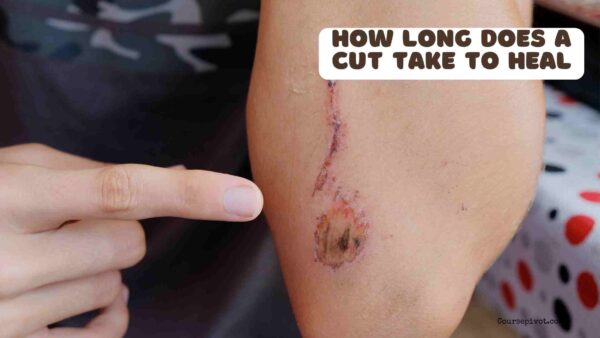
The 4 Stages of Wound Healing: A 2026 Breakdown
Healing is not a singular event; it is a sophisticated biological sequence. To understand how long it takes for skin to heal after a cut, you must look at the four distinct stages your body transitions through.
1. Hemostasis (The Immediate Response)
The moment you sustain a cut, your body triggers hemostasis. Blood vessels constrict to slow blood flow, and platelets form a “plug” to seal the wound. This stage happens in mere seconds or minutes.
2. Inflammation (The Cleanup Phase)
Within hours, your body sends white blood cells to the site to fight off bacteria and remove debris. This is why you might notice redness, swelling, or warmth around the cut. This stage typically lasts for a few days.
3. Proliferation (The Rebuilding Phase)
This is where the visible magic happens. Your body produces collagen to act as a scaffold, and new skin cells begin to migrate across the wound. This stage can last anywhere from a few days to several weeks, depending on the severity of the injury.
4. Maturation (The Strengthening Phase)
Even after the surface of the skin looks healed, the tissue underneath is still working. According to the University of Rochester Medical Center, the new skin and tissue are only about 80% as strong as the original skin. This final stage can take months to complete.
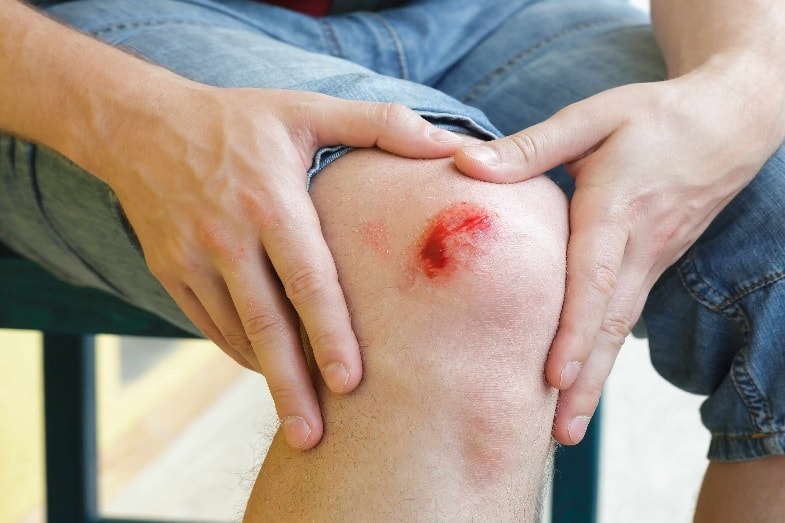
Factors That Influence Your Healing Speed
Why does one person heal in a week while another takes a month? Your healing rate is highly individualized. In 2026, medical experts emphasize that several lifestyle and biological factors play a massive role in the duration of the healing process.
- Nutritional Status: A diet rich in Vitamin C, Zinc, and protein is vital. If you are deficient in these, your body lacks the building blocks for collagen synthesis.
- Chronic Health Conditions: Conditions like diabetes can significantly delay wound healing by impairing circulation and nerve function.
- Smoking Habits: Nicotine constricts blood vessels, reducing the oxygen supply to the wound site. Smokers often experience significantly longer healing times.
- Wound Location: High-mobility areas, such as joints or the palms of your hands, are prone to “re-opening.” Because these areas are under constant tension, the healing process is often slower.
<img alt="How long does it normally take for a cut to heal on the palm?" src="https://www.findatopdoc.com/var/fatd/storage/images/aliases/fbthumb/questions/how-long-does-it-normally-take-for-a-cut-to-heal-on-the-palm/1/12626705-1-eng-US/1.jpg” style=”max-width:100%; height:auto; border-radius:8px; margin: 1rem 0;” />
When Should You See a Doctor?
While most cuts heal on their own, some require professional intervention. If you notice any of the following “red flags,” consult a healthcare provider immediately:
- Signs of Infection: Increasing redness, pus, foul odors, or a fever.
- Deep or Jagged Edges: If the wound is deep enough to expose fat or muscle, or if the edges are too far apart to touch, you may need stitches or medical glue.
- Uncontrolled Bleeding: If the cut continues to bleed after 10–15 minutes of firm, direct pressure.
- Loss of Function: If you feel numbness or cannot move the area around the cut, it could indicate nerve or tendon damage.
Best Practices for Faster Healing in 2026
To ensure your skin heals as efficiently as possible, follow these evidence-based tips:
- Keep it clean: Gently wash the area with mild soap and water. Avoid harsh chemicals like hydrogen peroxide, which can actually damage healthy tissue.
- Keep it moist: Contrary to old beliefs, letting a wound “air out” until it scabs can actually slow healing. A moist environment (using petroleum jelly or a hydrocolloid bandage) helps skin cells migrate faster.
- Protect from the sun: Once the skin has closed, keep the area protected with SPF. New skin is incredibly sensitive to UV rays, and sun exposure can lead to permanent hyperpigmentation or scarring.
- Avoid picking: Never pick at a scab. Scabs act as a natural, protective barrier; removing them prematurely resets the clock on your healing timeline.
Conclusion
Knowing how long it takes for skin to heal after a cut helps you manage expectations and provide the right level of care. While the surface of a minor laceration usually heals within 1 to 3 weeks, remember that true tissue remodeling is a long-term commitment that can last up to three months. By maintaining a healthy diet, keeping the wound clean and moist, and watching for signs of infection, you give your body the best environment to perform its natural, incredible work of repair.