
We have all been there. You spend a glorious afternoon outdoors, only to return home and realize your skin is glowing—and not in a healthy way. As we move through 2026, our understanding of skin health and UV recovery has evolved, yet the age-old question remains: How long does it take for sunburn to heal?
A sunburn is more than just a temporary redness; it is a biological SOS signal indicating that your skin cells have suffered DNA damage. Whether you are dealing with a light pink glow or a painful, blistering mess, the healing timeline depends entirely on the severity of the burn and how you treat it.

The Sunburn Recovery Timeline: What to Expect
The healing process of a sunburn is not instantaneous. Your body needs time to shed damaged cells and regenerate new ones. Here is the standard biological schedule for sunburn recovery in 2026.
The First 3 to 6 Hours: The Onset
You might not even realize you are burned while you are still under the sun. Most sunburns take about 3 to 5 hours to manifest. During this window, the skin begins to feel warm to the touch, and a faint pinkness may appear as blood rushes to the surface to begin the repair process.
The 24-Hour Mark: The Peak
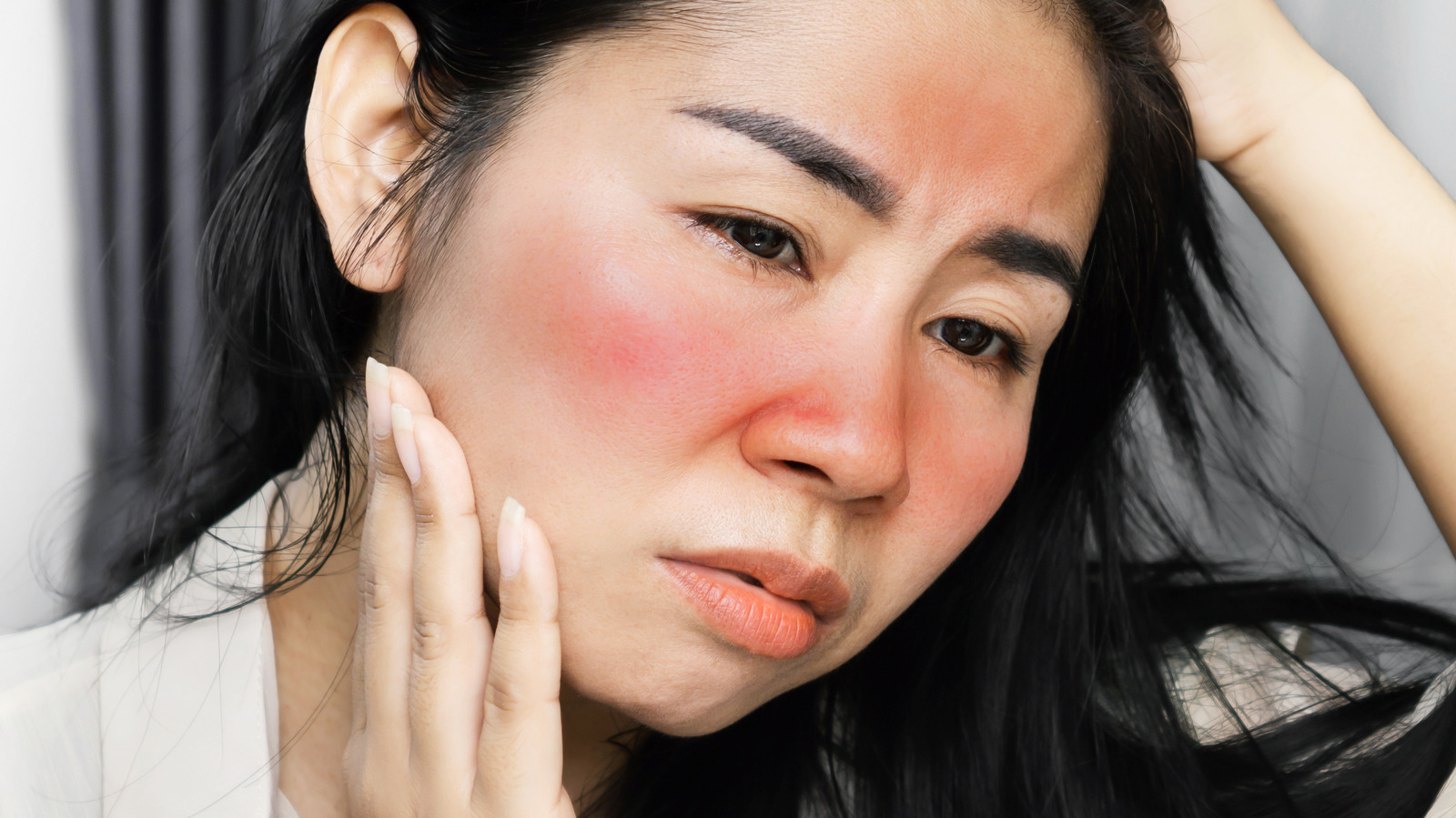
The pain and redness of a sunburn typically peak within 24 hours of exposure. This is when the inflammation is at its most intense. If you are experiencing a “hell itch” or significant discomfort, this is the stage where your body is working hardest to manage the initial trauma.
Days 3 to 5: Mild Burn Resolution
For a mild sunburn, the redness and pain usually begin to fade after the third day. By day five, the skin may feel slightly tight or dry, but the acute discomfort has generally subsided. This is the ideal time to focus on deep hydration to prevent excessive peeling.
Days 7 to 14: Moderate to Severe Healing
If you have a moderate to severe burn, your recovery will likely take up to two weeks. This stage often involves significant peeling and, in some cases, blistering. It is crucial during this time to avoid further sun exposure, as the new skin underneath is incredibly thin and vulnerable.
Categorizing Your Burn: 1st Degree vs. 2nd Degree
In 2026, dermatologists emphasize the importance of identifying the “degree” of your burn to determine the correct treatment path. Not all sunburns are created equal.
- First-Degree Sunburn: This affects only the outer layer of the skin (the epidermis). It results in redness, pain, and minor swelling. These typically heal within 3 to 7 days.
- Second-Degree Sunburn: This penetrates deeper into the dermis. It is characterized by intense redness, extreme pain, and blistering. These can take 2 to 3 weeks to heal and may require medical attention.

Why Does Sunburn Skin Peel?
Peeling is your body’s way of getting rid of damaged cells that are at risk of becoming cancerous. This process, known as apoptosis, is a protective mechanism. While it might be tempting to peel the skin yourself, you should never pick at it.
Picking at peeling skin can lead to:
- Infections: Opening the skin barrier allows bacteria to enter.
- Scarring: Forcing skin off before it is ready can damage the lower layers.
- Delayed Healing: Your body has to restart the protective seal over the raw area.
Instead, use fragrance-free moisturizers or specialized 2026 hydrogel repairs to keep the area supple and let the skin fall off naturally.
Modern 2026 Treatments for Faster Healing
Thanks to advancements in biotechnology and skincare, we have more tools than ever to speed up the healing process. While you cannot “undo” the DNA damage, you can certainly reduce the downtime.
- Smart Hydration: Drink double your usual water intake. Sunburns draw fluid to the skin’s surface and away from the rest of the body, leading to dehydration.
- Topical Antioxidants: Modern after-sun lotions now contain stabilized Vitamin C and E, which help neutralize free radicals generated by UV exposure.
- Anti-Inflammatory Apps: Many people in 2026 use AI-driven skin analysis apps to track the redness and receive personalized product recommendations.
- Cool Compresses: Apply a cold, damp cloth for 15 minutes several times a day to draw heat out of the skin.
- Wearable UV Sensors: If you are burned, use a wearable sensor to ensure you are getting zero UV exposure during the healing phase.
Factors That Influence Healing Time
Several variables can either speed up or slow down how quickly your skin bounces back. Understanding these can help you manage your expectations.
- Skin Type: Individuals with lower melanin levels (Fitzpatrick Type I or II) often experience more intense burns that take longer to heal.
- Age: Younger skin generally regenerates faster than older skin due to higher collagen and cell turnover rates.
- Location of the Burn: Areas with thinner skin, like the tops of the feet or the décolletage, may take longer to heal and be more painful.
- Overall Health: A strong immune system and a diet rich in omega-3 fatty acids can support the skin’s inflammatory response.
When Should You See a Doctor?
While most sunburns can be managed at home, some cases require professional medical intervention. If you experience any of the following, consult a healthcare provider immediately:
- Severe blistering covering a large portion of the body.
- Fever and chills, which may indicate “sun poisoning.”
- Dizziness, confusion, or faintness.
- Pus or red streaks coming from a blister, which are signs of infection.
In 2026, many insurance providers offer tele-dermatology, allowing you to upload photos of your burn for a quick professional assessment without leaving your house.
Preventing Future Damage: The 2026 Standard
The best way to handle a sunburn is to never get one. With the increased UV intensity observed in recent years, traditional sunscreen is often not enough.
- UPF 50+ Clothing: Wear lightweight, breathable fabrics designed to block UV rays.
- Broad-Spectrum Sunscreen: Ensure your sunscreen protects against both UVA (aging) and UVB (burning) rays.
- Reapplication: Set a timer on your smartphone or smartwatch to reapply every 90 minutes.
- Seek Shade: Between 10:00 AM and 4:00 PM, the sun’s rays are at their most destructive.
Conclusion
So, how long does it take for a sunburn to heal? For most people, the journey from “lobster red” back to normal takes between 3 to 7 days. However, the internal repair of your skin cells continues long after the redness has vanished.
By using modern 2026 skincare technology, staying hydrated, and resisting the urge to peel, you can support your body’s natural recovery process. Remember, your skin is your body’s largest organ—treat it with the care it deserves, and it will protect you for years to come.