
Achieving the perfect baked potato is a quintessential culinary skill that remains a staple in modern kitchens. As we navigate 2026, the demand for high-quality, efficient home cooking has never been higher. Whether you are aiming for that restaurant-quality, glass-like crispy skin or a cloud-like, fluffy interior, the method you choose matters. Many home cooks frequently ask, “How long does it take to bake a potato at 200°C?” While the answer is generally straightforward, achieving consistent results requires an understanding of thermodynamics, potato anatomy, and modern oven technology.
Baking at 200°C (392°F) is widely considered the industry standard for home ovens. It strikes the perfect balance between high heat, which is necessary for the Maillard reaction—the chemical process that creates browning and flavor—and moderate heat, which ensures the interior starches gelatinize without drying out. In this comprehensive guide, we will break down the timing, the science, and the pro-tips to ensure you never serve a sub-par potato again.
The Science of Baking: Why 200°C is the Magic Number

When you place a potato in an oven set to 200°C, you are initiating a complex series of events. Inside the potato, water molecules are being converted to steam. If the temperature is too low, the potato essentially boils in its own juices, leading to a gummy texture. If the temperature is too high, the skin burns before the core reaches the necessary 95°C to 98°C internal temperature required to make the starch granules swell and burst.
By keeping the oven at a steady 200°C, you allow the heat to penetrate the dense center of the tuber gradually. This temperature is high enough to evaporate surface moisture rapidly, which is the primary secret to achieving that coveted crispy skin. In 2026, culinary data suggests that home cooks who use a convection setting at this temperature can reduce their cook time by nearly 15% compared to traditional radiant heat ovens. Understanding this relationship between heat, time, and moisture is the foundation of professional-grade potato preparation.
Determining Your Bake Time: Variables That Matter

While the general rule of thumb for a medium-sized Russet potato is 45 to 60 minutes, your specific results may vary based on several critical factors. It is essential to account for these variables to avoid undercooked, waxy centers or scorched exteriors.
- Potato Size and Mass: A standard 200-gram potato will cook significantly faster than a large 400-gram “baking-grade” potato. Always group potatoes by size to ensure even cooking.
- Potato Variety: Russets (high starch) are the gold standard for baking because they fluff up beautifully. Waxy varieties like Yukon Golds have more moisture and sugar, meaning they may brown faster but require more time to reach that signature “baked” texture.
- Oven Type: Modern 2026 smart ovens often use advanced airflow technology. If you are using a convection (fan-forced) mode, the air circulation will speed up the cooking process. You should check your potatoes at the 40-minute mark if using convection.
- The “Cold Start” Factor: If your potatoes were stored in a cool larder or refrigerator, they will require an additional 5 to 10 minutes of cook time to bring the internal temperature up to the threshold where baking begins.
The Professional Workflow for Perfect Results
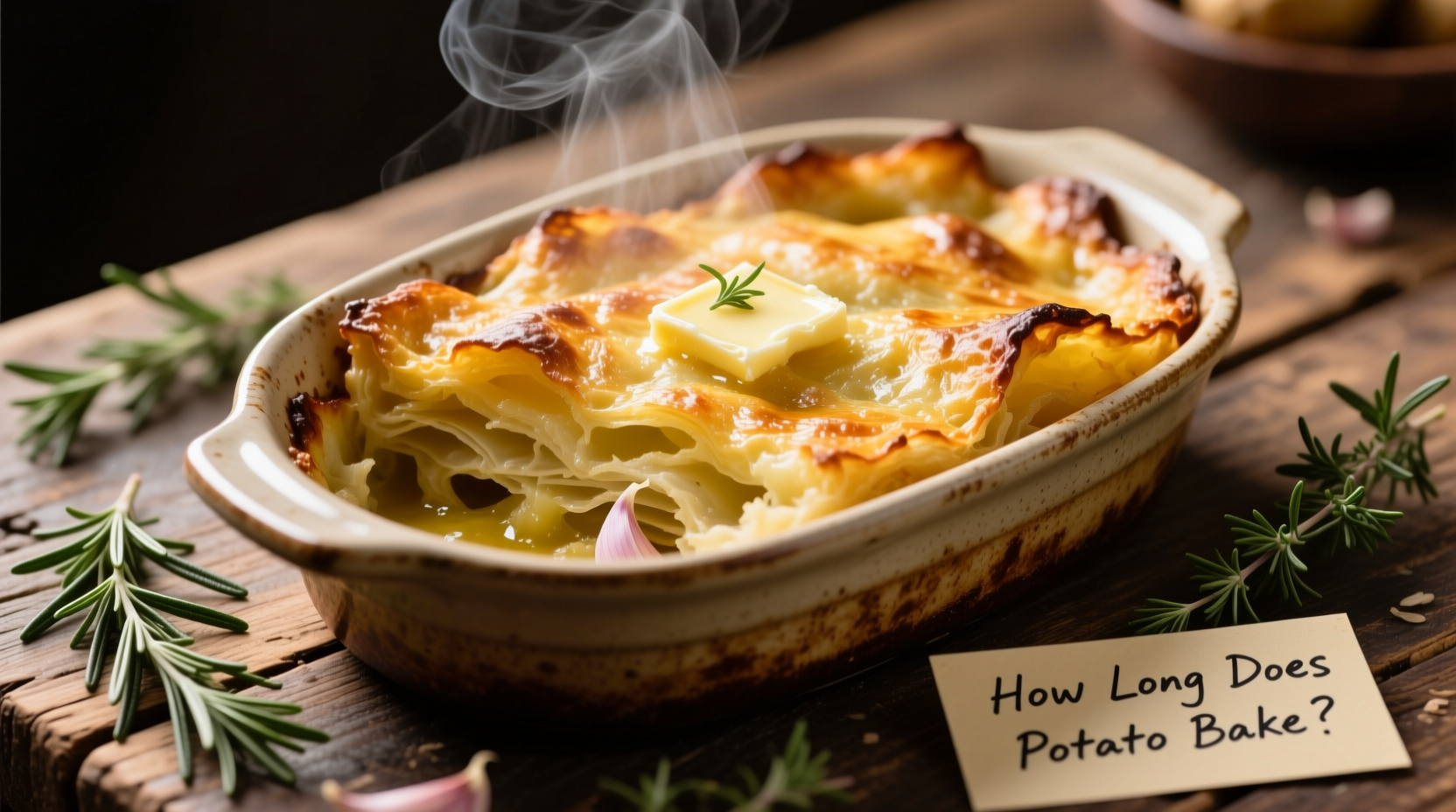
Consistency in the kitchen comes from a repeatable process. Follow this 2026-optimized workflow to ensure your baked potatoes are flawless every single time you turn on the oven.
Step 1: Selection and Scrubbing. Choose potatoes that are firm, free of sprouts, and uniform in size. Scrub them thoroughly under running water to remove dirt, as the skin is meant to be eaten. Drying the potatoes completely with a paper towel is a non-negotiable step; moisture on the skin will create steam, which prevents the skin from becoming crispy.
Step 2: The Piercing Technique. Use a sharp fork to prick the potato 4 to 6 times deep into the flesh. This is not just for show; it creates essential vents for steam to escape. Without these holes, the internal pressure can cause the potato to rupture or, in rare cases, explode inside the oven.
Step 3: The Oil and Salt Coating. Rub the skin with a high-smoke-point oil, such as avocado oil or refined olive oil. Follow this with a generous coating of coarse sea salt. The oil helps conduct heat evenly across the skin, while the salt draws out moisture, resulting in a thin, crackling crust that tastes like a gourmet side dish.
Step 4: Positioning. For the best results, place the potatoes directly on the center oven rack. Using a baking sheet can create a “soggy bottom” where the potato touches the metal. If you are worried about drips, place a foil-lined sheet on the rack below the potatoes.
Advanced Techniques for 2026: Enhancing the Experience
If you want to elevate your potato game beyond the standard bake, consider incorporating these modern techniques. Many professional chefs are now experimenting with a “double-bake” or “pre-roast” method. By microwaving the potato for 3 to 5 minutes before placing it in the 200°C oven, you can jump-start the internal cooking process, effectively reducing the final oven time to just 30 minutes while maintaining a perfect, crispy skin.
Another trend in 2026 is the use of a digital meat thermometer. Instead of guessing based on time, aim for an internal temperature of 98°C (208°F). This is the scientific “sweet spot” where the potato flesh becomes perfectly tender and fluffy. Relying on technology takes the guesswork out of the process and ensures that your side dish is ready exactly when your main course is finished.
Common Mistakes to Avoid
Even with the best intentions, many home cooks fall into traps that result in mediocre potatoes. Avoiding these errors will immediately improve your cooking success rate.
Foil Wrapping: Never wrap your potatoes in aluminum foil unless you want a steamed potato. Foil traps moisture, which ruins the texture of the skin. If you want a crispy, golden-brown exterior, the potato must be exposed to the dry, hot air of the oven.
Crowding the Oven: If you are baking for a large group, ensure there is at least 5 centimeters of space between each potato. Proper airflow is essential for consistent heat distribution. If the potatoes are touching, they will steam each other, resulting in uneven cooking and soft spots.
Ignoring Oven Calibration: Many residential ovens are off by 10°C to 20°C. In 2026, it is highly recommended to use an inexpensive oven thermometer to verify that your oven is actually hitting the 200°C mark. This simple tool can save you from a lifetime of undercooked or overcooked potatoes.
Frequently Asked Questions (FAQ)
How can I tell if my potato is finished baking?
The most reliable method is to use a fork or a small paring knife. It should pierce the center of the potato with almost zero resistance. Alternatively, use a digital thermometer; when the internal temperature reaches 98°C (208°F), the potato is perfectly cooked.
Should I preheat my oven to 200°C?
Yes, absolutely. Placing a potato into a cold oven will result in a heavy, dense texture because the potato begins to cook slowly as the oven warms up. Always wait for the oven to reach the full 200°C before inserting your potatoes.
Can I bake sweet potatoes at 200°C as well?
You certainly can, but be aware that sweet potatoes have a higher sugar content and will caramelize faster than white potatoes. They typically take about 40 to 50 minutes. Keep a close eye on them after the 35-minute mark to ensure the sugars don’t burn.
What is the best way to store leftover baked potatoes?
Allow the potatoes to cool completely to room temperature before placing them in an airtight container. They will last for up to 3 days in the refrigerator. To reheat, avoid the microwave if possible; a quick 10-minute blast in an air fryer or a 15-minute reheat in a 180°C oven will help restore the original texture.
Conclusion
Mastering the art of the baked potato at 200°C is a skill that pays dividends in every meal. By respecting the variables of size, variety, and oven technology, you can consistently produce a side dish that features a crackling, salty skin and an interior that is light, airy, and perfectly seasoned. Whether you are a novice cook or a seasoned home chef, the 45 to 60-minute window remains the golden standard for a reason—it works.
As we move through 2026, remember that the best cooking is a blend of scientific precision and personal intuition. Don’t be afraid to use a thermometer, monitor your oven’s performance, and adjust your timing based on the specific potatoes you have on hand. With these tips, you are well-equipped to make the humble baked potato the star of your dinner table.