
Achieving that signature “Ajitsuke Tamago” (marinated ramen egg) is the holy grail of home-cooked Japanese noodle bowls. Whether you are a seasoned chef or a college student leveling up their instant ramen, the secret lies in the precision of your timer. In 2026, the culinary standard for the perfect ramen egg remains centered on one goal: a set, tender white with a luscious, jammy yolk.
If you have ever wondered, “How long does it take to boil eggs for ramen?” you are not alone. The difference between a runny yolk and a hard-boiled disaster is often measured in mere seconds. This guide will walk you through the exact timing and techniques to master the perfect ramen egg every single time.
The Golden Window: Perfect Timing for Ramen Eggs
When preparing eggs for ramen, the goal is to achieve a texture that is custard-like and rich. Unlike a standard breakfast boiled egg, a ramen egg needs to be firm enough to be peeled and sliced without collapsing, yet soft enough to provide that velvety mouthfeel that complements salty broth.
Breakdown of Boiling Times
For a standard large egg taken straight from the refrigerator, use these timeframes as your blueprint:
- 6 Minutes: This is for the purists. You will get a very runny, liquid yolk with whites that are just barely set. Handle with extreme care when peeling.
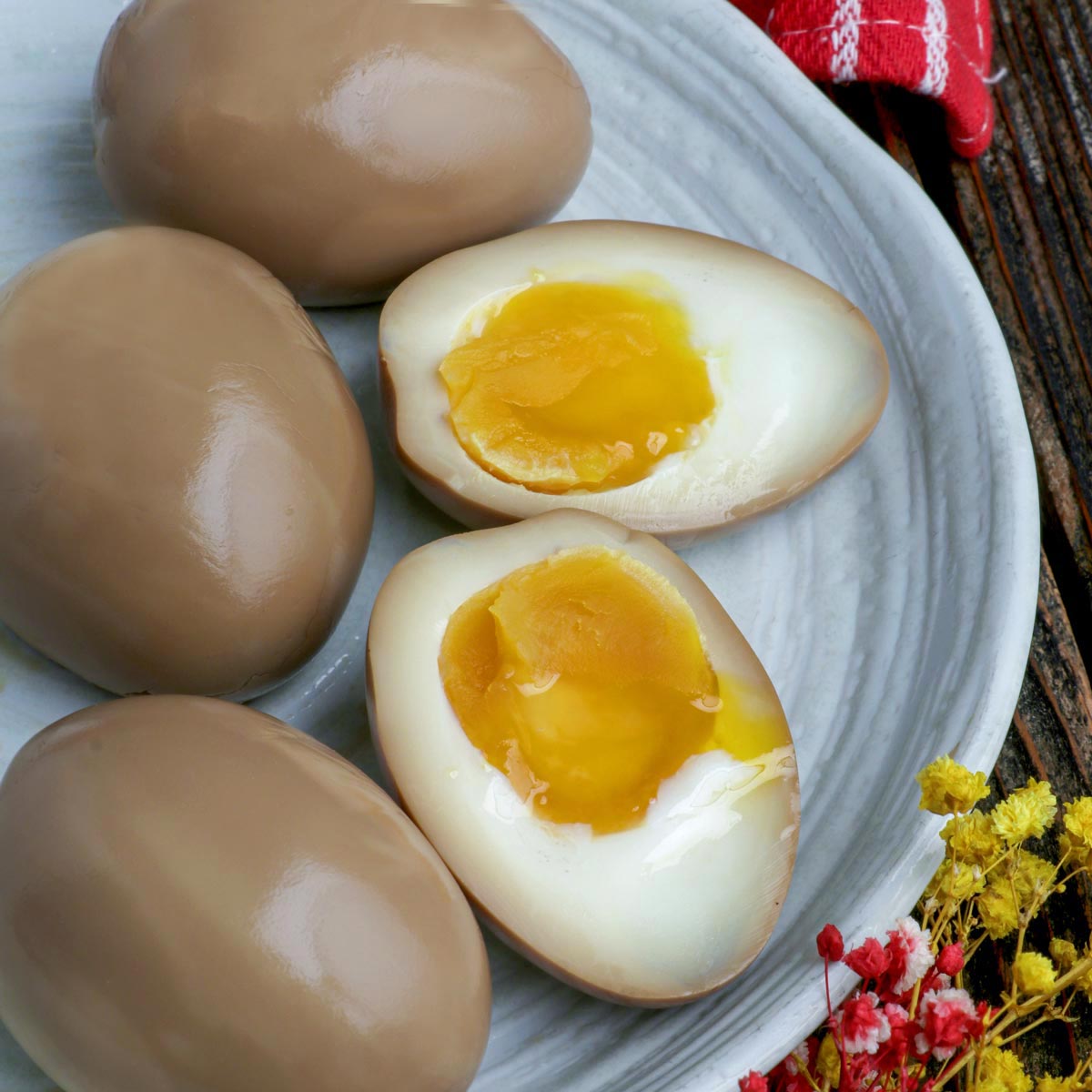
- 6.5 Minutes: The “Sweet Spot.” This yields a perfectly jammy, custard-like yolk with fully set whites. It is the most popular choice for professional ramen shops in 2026.
- 7 Minutes: Ideal for those who prefer a creamy, slightly thicker yolk that remains soft but holds its shape well when sliced in half.
- 7.5 Minutes: For those who like a yolk that is just beginning to set around the edges while remaining soft in the center.
Pro-Tips for Success: The Boiling Process
Precision timing is only half the battle. To ensure your eggs turn out perfectly every time, you must control the environment in which they cook.
1. The Starting Temperature
Always use eggs that are chilled. If you use room-temperature eggs, you must reduce the boiling time by roughly 30 to 60 seconds to avoid overcooking. Consistent temperature leads to consistent results.
2. The Boiling Technique
Bring your water to a rolling boil before gently lowering the eggs into the pot using a slotted spoon. If you drop them in too hard, the shells will crack, leading to unsightly egg whites leaking into the water.
3. The Ice Bath
This is the most critical step that beginners often skip. As soon as your timer goes off, immediately transfer the eggs into an ice-water bath. This stops the residual heat from continuing to cook the yolk, effectively “locking in” that perfect jammy texture.

How to Peel Like a Pro
There is nothing more frustrating than a torn egg surface. To ensure your ramen eggs look as good as they taste, crack the shell gently all over after the ice bath. Peel the eggs under a thin stream of cold running water or submerged in the water bowl. The water helps separate the membrane from the egg white, ensuring a smooth, pristine finish.
Marinating: The Final Touch
Once peeled, your eggs are ready for the marinade. A classic ramen egg marinade consists of soy sauce, mirin, sake, and a touch of sugar.
Place your peeled eggs into a sealable bag or a small container with the marinade. Ensure they are fully submerged. Let them sit in the refrigerator for at least 4 to 6 hours, though 12 to 24 hours is optimal for the best flavor penetration. By the time you serve them, the yolk will have taken on a beautiful, deep-orange hue and a savory, umami-rich flavor profile.
Troubleshooting Common Issues
- Egg whites leaking: Ensure your water is at a steady simmer rather than a violent boil, and use a slotted spoon to lower them gently.
- Hard to peel: If your eggs are extremely fresh, they can be harder to peel. Using eggs that are a few days old often results in an easier peel.
- Altitude adjustments: If you live at a high altitude, water boils at a lower temperature. You may need to increase your boiling time by 30-60 seconds to compensate.
Conclusion
Mastering the ramen egg is a simple yet transformative skill for any home cook. By sticking to the 6.5-minute rule and utilizing an immediate ice bath, you can achieve that professional-grade, jammy texture that makes a bowl of ramen truly spectacular. Whether you are experimenting with different marinades or perfecting your timing for guests, remember that the difference between “good” and “great” is just a few seconds on the clock. Happy cooking in 2026!