
Achieving the perfect boiled egg is a timeless culinary pursuit that balances science, patience, and precise timing. Whether you are a fitness enthusiast looking for a high-protein snack, a home cook preparing a gourmet Cobb salad, or a ramen aficionado crafting the perfect ajitsuke tamago, understanding the exact boiling duration is essential. As we move through 2026, kitchen innovation—from precision induction cooktops to smart sous-vide circulators—has made the process more predictable than ever. This guide explores the definitive timings for soft versus hard-boiled eggs, ensuring you never suffer from rubbery whites or chalky, overcooked yolks again.
The Science of Protein Coagulation: Why Timing Matters
To master the art of the perfect egg, one must first understand the thermal dynamics at play. An egg is essentially a vessel of proteins that react differently to heat. The egg white, or albumen, contains proteins that begin to coagulate at approximately 140 degrees Fahrenheit (60 degrees Celsius). In contrast, the yolk contains fats and different proteins that require higher temperatures to set, typically starting around 150 degrees Fahrenheit (65 degrees Celsius). Because the white is closer to the heat source, it sets faster than the yolk.
By controlling the duration of the boil, you are manipulating these protein structures. If you pull the egg out too early, the proteins remain in a liquid or viscous state. If you leave them in too long, the proteins become overly dense and tightly packed, resulting in that rubbery texture and the release of sulfur, which creates the unappetizing green ring around the yolk. In 2026, culinary experts emphasize the importance of the ice bath, a crucial post-boil step that stops the residual heat from continuing the cooking process once the egg leaves the water.
Soft-Boiled Eggs: Achieving the Perfect Jammy Texture
The soft-boiled egg is a luxury that requires a delicate touch. A runny or jammy yolk is highly sought after for its rich, sauce-like consistency that elevates everything from simple avocado toast to complex noodle bowls. The margin for error here is razor-thin, often measured in mere seconds. For 2026, the trend leans toward the six-minute “jammy” egg, which provides enough structural integrity for the white to hold its shape while maintaining a molten, gold-standard center.
To achieve this, start with room-temperature eggs if possible, as they are less likely to crack when entering boiling water. Use a slotted spoon to gently lower the eggs into a pot of water that has already reached a rolling boil. Maintaining a steady boil is key to consistency. Here is the 2026 breakdown for soft-boiled timing:
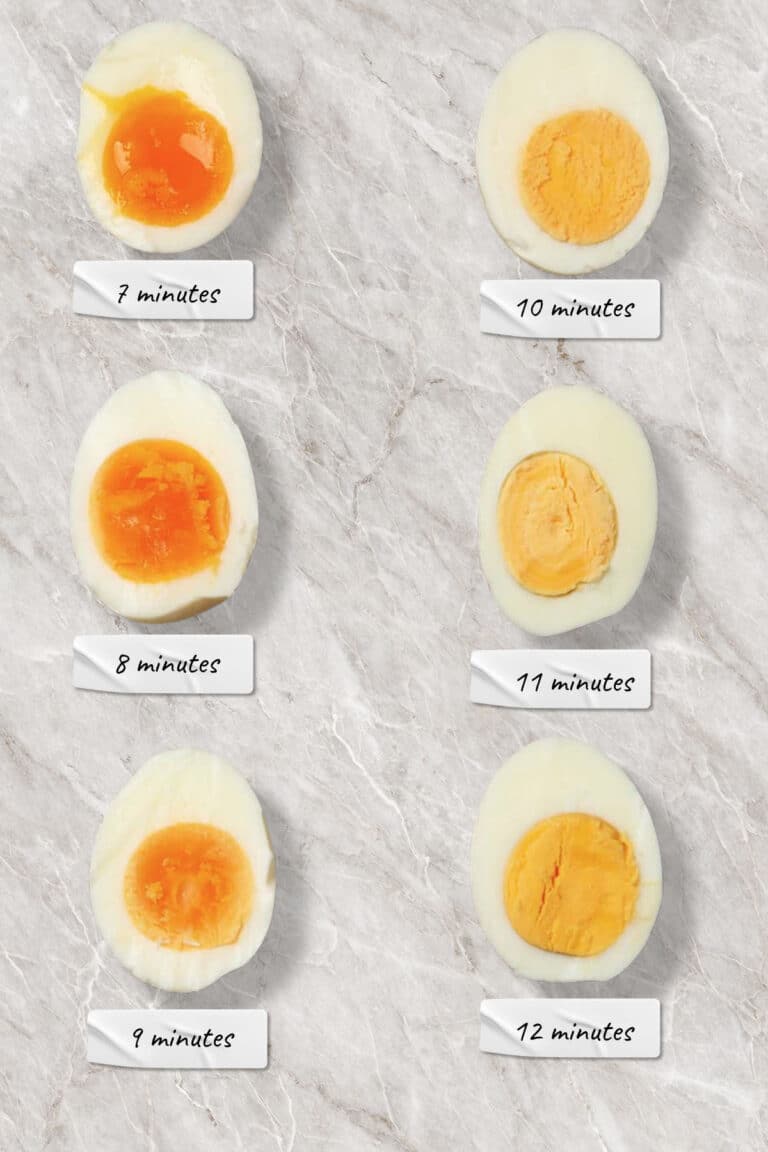
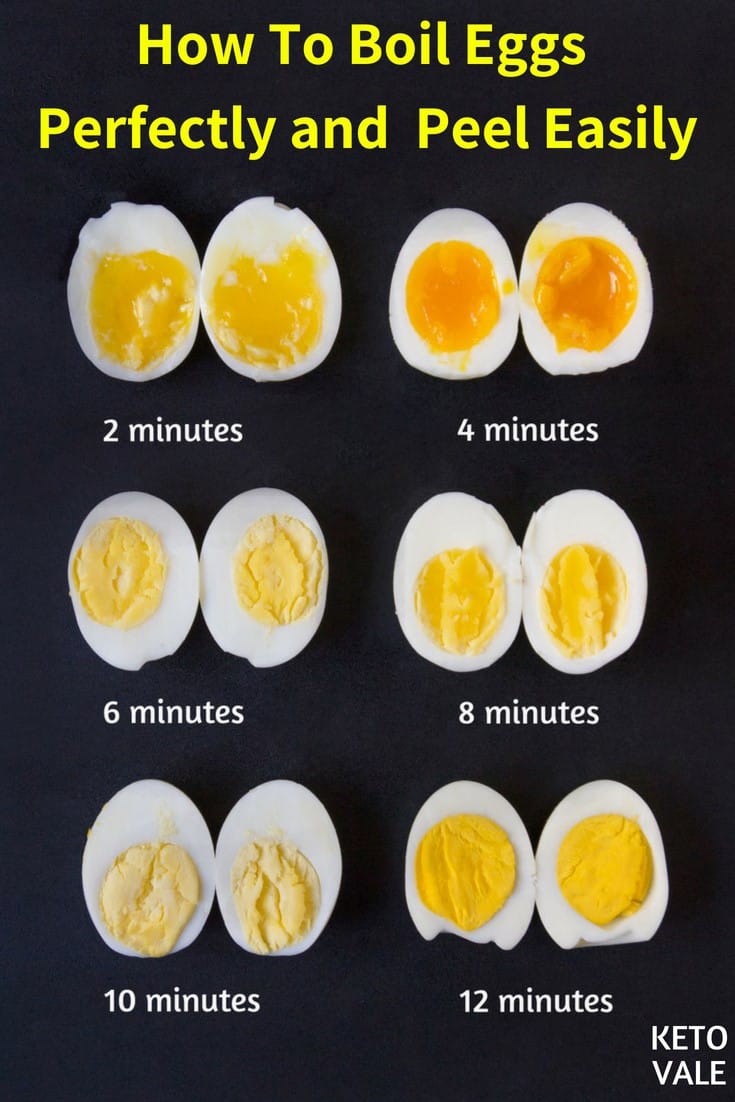
- 4 Minutes: The liquid gold stage. The whites are just set enough to hold their shape, while the yolk remains completely liquid. This is ideal for dipping toast soldiers.
- 6 Minutes: The culinary gold standard. The whites are firm and opaque, while the yolk reaches a custard-like, jammy consistency. This is the preferred texture for ramen and grain bowls.
- 7 Minutes: A transition phase where the edges of the yolk begin to set, but the center remains soft. This is often favored for egg salad sandwiches where a bit of extra creaminess is desired.
The Hard-Boiled Standard: Firm, Reliable, and Versatile
Hard-boiled eggs are the backbone of modern meal prep. They are incredibly portable, cost-effective, and shelf-stable for up to a week when stored properly in the refrigerator. The goal of a perfect hard-boiled egg is to achieve a firm, solid yolk that remains creamy rather than powdery. Overcooking is the primary enemy of the hard-boiled egg, leading to a dry, sulfurous texture that can ruin a salad or deviled egg platter.
In 2026, the consensus among professional chefs is to avoid the “hard-boil” misnomer. Rather than keeping the eggs at a violent, rolling boil for the entire duration, it is better to bring the water to a boil, add the eggs, and then reduce the heat to a gentle simmer. This prevents the shells from cracking due to aggressive movement. Aim for the following times for a perfectly hard-boiled result:
- 9 Minutes: The yolk is firm but still vibrant yellow. This is the best time for those who dislike runny centers but want to avoid the chalky texture of a long-boiled egg.
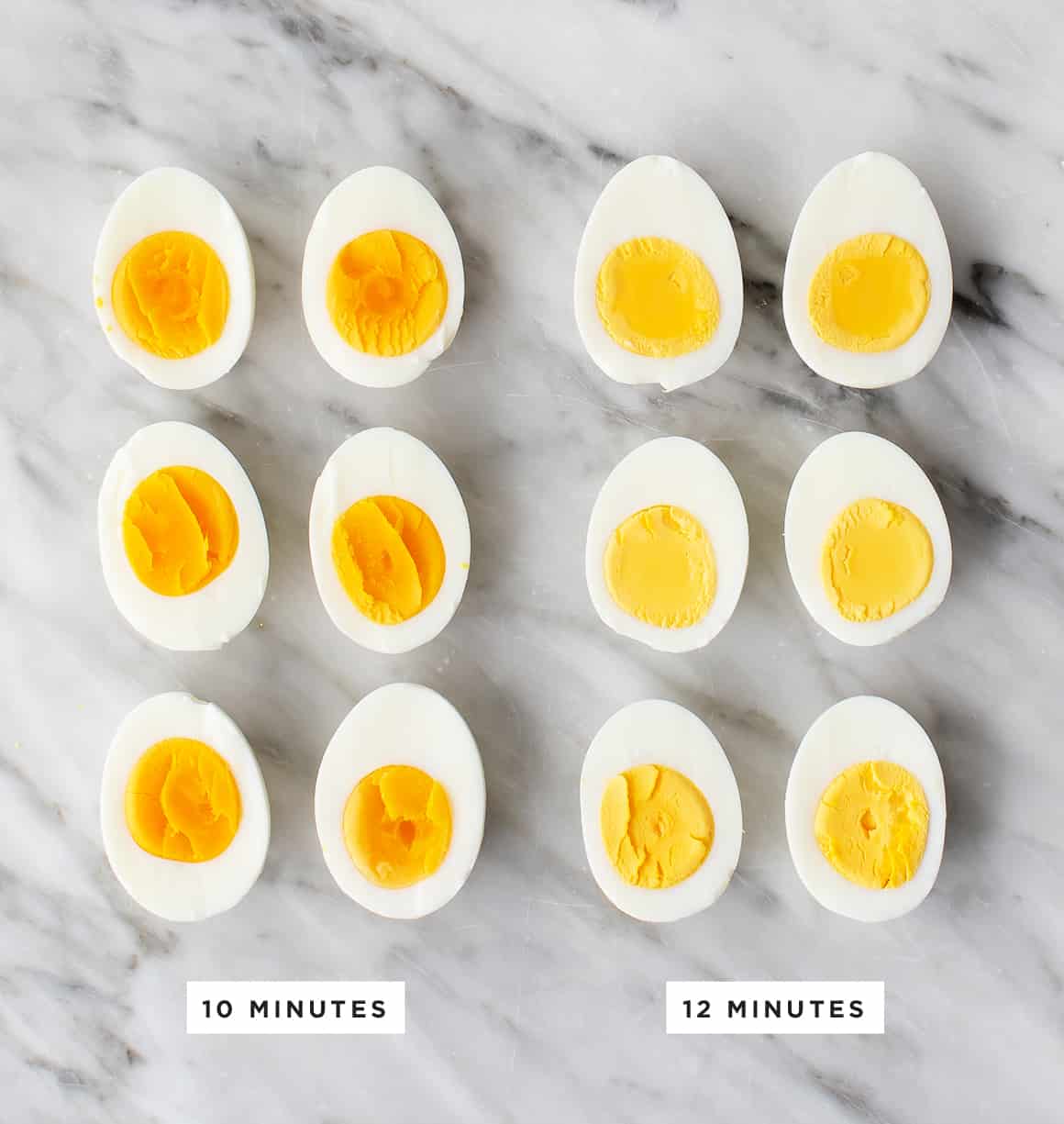
- 10 to 11 Minutes: The classic hard-boiled egg. The yolk is completely set, light yellow, and perfect for slicing into salads or mashing into a classic egg salad with mayonnaise, mustard, and chives.
- 12+ Minutes: Generally discouraged. At this point, you risk over-denaturing the proteins, leading to a dry yolk and the development of a dark green or gray ring around the yolk caused by the reaction between iron in the yolk and hydrogen sulfide in the white.
Advanced Methods: Steaming vs. Boiling
While the traditional pot of boiling water is the most common method, 2026 has seen a rise in the popularity of steaming eggs. Many culinary experts argue that steaming is actually superior to boiling. By using a steam basket, you lift the eggs out of the boiling water, which reduces the chance of the shells cracking against the bottom of the pot. Furthermore, steam is a more consistent heat conductor, leading to easier-to-peel eggs.
To steam your eggs, fill your pot with one inch of water, bring it to a boil, place the eggs in a steamer basket, cover with a tight-fitting lid, and steam for your desired duration. The timing remains largely the same as the boiling method, but the heat distribution is more even. This method has become the preferred choice for those who cook in large batches, as it is easier to manage the temperature of the vessel.
Mastering the Peel: The Ice Bath Protocol
Regardless of how long you boil your eggs, the experience will be subpar if you struggle to peel them. The “shock” method is the most important takeaway for 2026. As soon as the timer goes off, remove the eggs immediately and plunge them into an ice water bath. This does two things: it stops the cooking process instantly, and it causes the egg to contract slightly within the shell, creating a gap between the membrane and the white that makes peeling significantly easier.
Leave the eggs in the ice bath for at least 5 to 10 minutes. If you are preparing eggs for later in the week, you can store them unpeeled in the refrigerator. The shell acts as a protective barrier, keeping the egg fresh for up to 7 days. If you plan to use them immediately, gently crack the shell all over by tapping it on the counter, then peel under cool running water or submerged in a bowl of water to help loosen the membrane.
Troubleshooting Common Boiling Issues
Even with precise timing, variables like altitude, pot size, and egg size can affect your results. In 2026, we have access to more data on high-altitude cooking. If you live at an altitude above 3,000 feet, water boils at a lower temperature, meaning you should increase your boiling time by 1 to 2 minutes to compensate for the lower thermal energy. Additionally, always use large eggs as the baseline for these timings; extra-large or jumbo eggs may require an additional 30 to 60 seconds.
If you find that your eggs are consistently difficult to peel, consider adding a teaspoon of baking soda or a splash of vinegar to the water. While the science is debated, many home cooks swear that these additives help weaken the shell or raise the pH level of the egg, making the membrane less likely to stick to the white. Most importantly, avoid using farm-fresh eggs that are less than 3 days old, as the lower acidity in the egg white makes them notoriously difficult to peel.
Frequently Asked Questions
Does the size of the egg change the boiling time?
Yes, size matters. The timings provided in this guide are based on standard large eggs. If you are using medium eggs, subtract 30 seconds from the total time. If you are using jumbo or extra-large eggs, add 1 minute to ensure the yolk reaches the desired consistency.
Can I boil eggs straight from the refrigerator?
You can, but it is risky. Placing a cold egg into boiling water often causes the shell to crack due to thermal shock. To mitigate this, run the cold eggs under warm tap water for 30 seconds before adding them to the pot, or bring them to room temperature for 15 minutes before cooking.
How do I know if my eggs are fresh?
Use the float test. Place an egg in a bowl of water. If it sinks to the bottom and stays on its side, it is very fresh. If it stands upright on the bottom, it is older but still safe to eat. If it floats to the surface, the egg has developed a large air pocket due to moisture loss and should be discarded.
What is the benefit of steaming eggs instead of boiling?
Steaming is generally considered more gentle. Because the eggs are not bouncing around in boiling water, they are less likely to crack. Furthermore, the high-heat steam creates a more consistent cooking environment, often resulting in eggs that are easier to peel.
Conclusion
Mastering the timing for soft versus hard-boiled eggs is a foundational skill that pays dividends in the kitchen. By focusing on the scientific principles of protein coagulation, utilizing an ice bath to arrest the cooking process, and adjusting for variables like altitude and size, you can achieve perfect results every time. Whether you prefer the liquid decadence of a 6-minute soft-boiled egg or the reliable, firm texture of a 10-minute hard-boiled egg, these 2026 guidelines provide the roadmap to culinary success. Remember, consistency is not about luck—it is about the clock. With these techniques, you are well on your way to becoming an expert in the simple yet sophisticated art of boiling eggs.