
Achieving the perfect bowl of pasta remains the hallmark of a skilled home cook in 2026. Whether you are preparing a quick weeknight dinner or hosting a sophisticated gathering, the question of how long does it take to boil pasta al dente is more than just a matter of following a box instruction. It is a fundamental culinary technique that dictates the texture, flavor absorption, and overall quality of your meal. The term al dente, Italian for “to the tooth,” is the gold standard for pasta preparation, ensuring that the noodle retains a firm, satisfying resistance when bitten, rather than succumbing to the dreaded, mushy texture of overcooked starch.
In the modern kitchen, precision is key. With the rise of high-quality artisan bronze-die cut pastas and the increasing popularity of alternative grain options like chickpea, lentil, and ancient wheat varieties, the traditional rules of boiling pasta have evolved. Understanding the nuances of heat transfer, starch gelatinization, and the interaction between pasta and sauce is essential for mastering this kitchen staple in 2026.
The Science Behind the Perfect Al Dente Texture

To truly understand how long to boil pasta al dente, one must look at the science of starch. Dried pasta consists primarily of complex carbohydrates known as amylose and amylopectin. When submerged in boiling water, these starches undergo a process called gelatinization. As the water penetrates the pasta, the starch granules swell and soften. If you boil the pasta for too long, the starch structure breaks down completely, causing the pasta to lose its structural integrity and become gummy.
The goal of al dente cooking is to achieve a state where the exterior of the pasta is tender enough to be palatable, while the core remains slightly firm. This core, often referred to as the “white dot” by professional chefs, provides the essential “chew” that makes pasta a satisfying culinary experience. Furthermore, perfectly cooked pasta acts as a better carrier for sauces. Because the surface is not overly gelatinized, it creates a better bond with emulsions, allowing oil-based sauces, tomato reductions, and creamy pestos to cling to the surface rather than sliding off.
Detailed Timing Guidelines for Popular Pasta Varieties
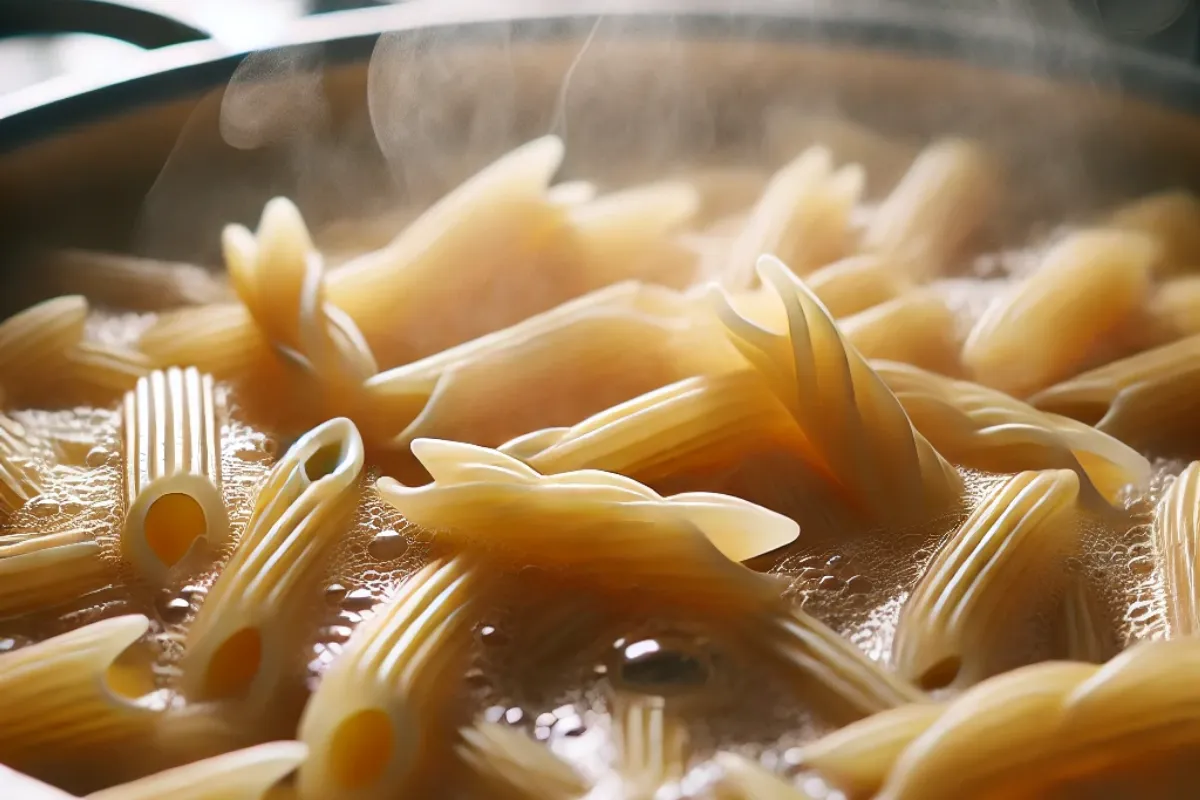
There is no universal “magic number” for boiling pasta, as the timing depends heavily on the shape, density, and ingredients of the pasta. In 2026, we categorize pasta into four distinct groups to help you estimate your boiling time more accurately.
Long and Thin Pasta (Spaghetti, Linguine, Angel Hair)
These shapes are designed for light, oil-based, or delicate seafood sauces. Because they have a high surface-area-to-volume ratio, they hydrate extremely quickly. For standard spaghetti, aim for 8 to 9 minutes. Angel hair (capellini) is significantly thinner and often reaches al dente in as little as 2 to 4 minutes. Always start testing these varieties at the lower end of the time spectrum.
Thick and Short Pasta (Penne, Rigatoni, Fusilli)
These sturdy shapes are built for robust, chunky sauces like Bolognese or heavy cream sauces. Due to their thickness and internal hollows, heat takes longer to reach the center. These varieties typically require 10 to 13 minutes of boiling. When cooking tubular shapes like rigatoni, be mindful that the water must circulate through the center of the pasta to ensure even cooking.
Stuffed and Fresh Pasta (Ravioli, Tortellini, Tagliatelle)
Fresh pasta is a different beast entirely. Made with high-moisture dough (often containing eggs), it does not require the same rehydration process as dried pasta. Fresh tagliatelle or fettuccine usually cooks in 1 to 3 minutes. Stuffed pastas like ravioli are done when they float to the surface, which typically happens within 3 to 5 minutes.
Alternative Grain Pastas (Chickpea, Lentil, Quinoa)
In 2026, health-conscious consumers are frequently using legume-based pastas. These are notoriously easy to overcook. Because they are often denser than traditional wheat pasta, they can turn to mush in seconds. We recommend a strict 6 to 8-minute window and suggest frequent testing, as these grains do not hold their shape as well as semolina flour.
The Two-Minute Rule and The Art of Mantecatura
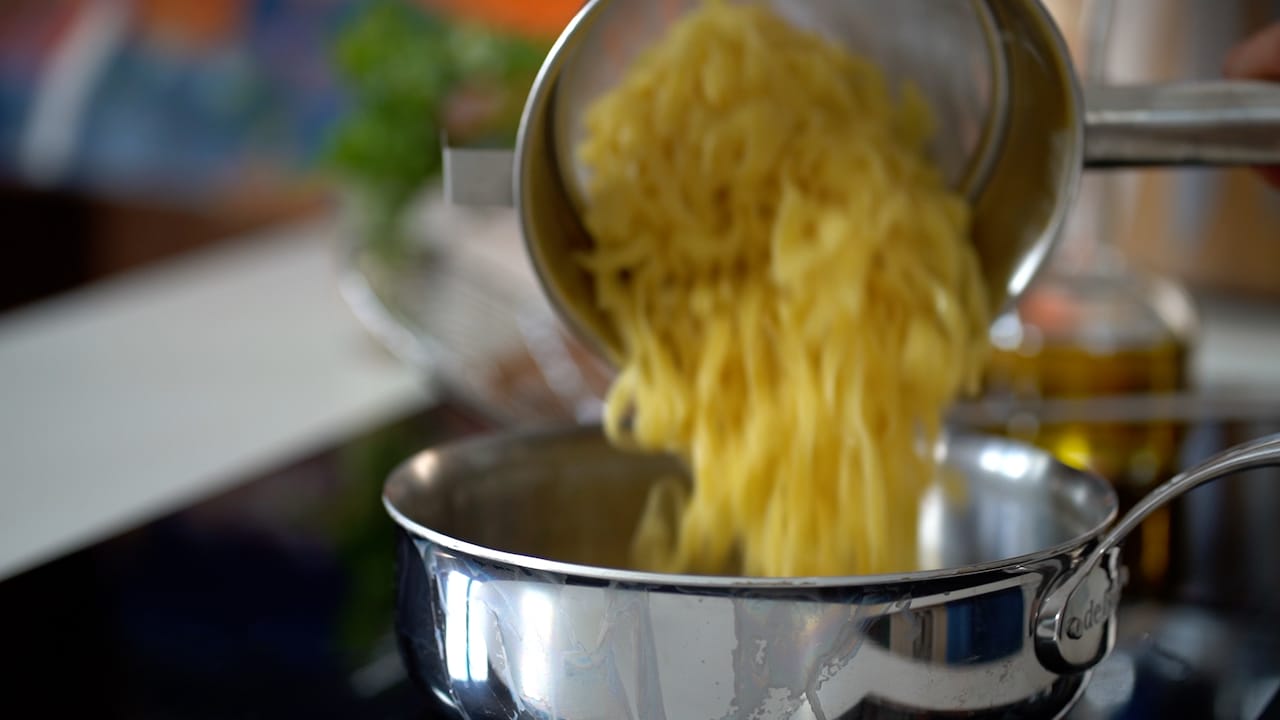
One of the most valuable tips for any home chef is the “Two-Minute Rule.” If you are looking for the perfect al dente finish, you should almost always subtract two minutes from the cooking time listed on the manufacturer’s packaging. Most commercial brands provide a range that leans toward a softer, more fully cooked pasta to appeal to a broad consumer base. By pulling the pasta out two minutes early, you leave room for the final step of the cooking process.
This final step is known in Italian cooking as mantecatura. This is the process of finishing the pasta directly in the pan with your sauce and a splash of reserved starchy pasta water. By transferring the pasta to the sauce while it is still slightly undercooked, the pasta absorbs the flavors of the sauce as it finishes cooking. This technique creates a cohesive, restaurant-quality dish where the pasta and sauce become one, rather than two separate components on a plate.
Essential Tips for Boiling Pasta Like a Pro
Beyond the timing, the environment in which you boil your pasta is critical. Here are three expert tips to improve your results in 2026:
- Salt the Water Like the Sea: Your pasta water should be seasoned with enough salt that it tastes like the ocean. This is the only chance you have to season the pasta from the inside out. Use approximately 1.5 tablespoons of sea salt for every 4 liters of water.
- Use Enough Water: Do not crowd the pot. If there is not enough water, the starch released by the pasta will make the water overly thick and gluey, causing the pasta to stick together. A general rule is 1 liter of water for every 100 grams of pasta.
- Save the Pasta Water: Never drain your pasta without reserving at least a cup of the starchy cooking water. This liquid gold contains dissolved starches that act as a natural thickener and emulsifier for your sauces, helping them cling to the noodles perfectly.
Common Mistakes to Avoid When Cooking Pasta
Even experienced cooks fall into traps that compromise the texture of their pasta. The most common error is adding oil to the boiling water. While some believe this prevents sticking, it actually coats the pasta in a slick layer that prevents the sauce from adhering properly. If your pasta is sticking, it is usually because you didn’t stir it enough in the first 60 seconds of cooking or because you used too little water.
Another frequent mistake is rinsing the pasta after draining. Unless you are making a cold pasta salad, never rinse your pasta. Rinsing removes the surface starch that is necessary for the sauce to bind to the noodles. Simply drain the pasta, return it to the pot or the pan with the sauce, and toss immediately.
Frequently Asked Questions
How can I tell if my pasta is truly al dente without a timer?
The most reliable method is the visual and tactile test. Remove a piece of pasta, let it cool for a second, and bite into it. You should see a tiny, pin-sized white dot in the very center. If the pasta is uniform in color throughout, it is fully cooked and likely past the al dente stage.
Does the altitude affect how long to boil pasta?
Yes. At higher altitudes, water boils at a lower temperature, which means it takes longer for the heat to penetrate the pasta. If you are cooking at an elevation above 3,000 feet, you should add roughly 1 to 2 minutes to your estimated cooking time and be prepared to taste-test frequently.
Can I boil pasta ahead of time for a party?
Yes, you can use the “par-boil” method. Cook the pasta for about half the recommended time, drain it, and spread it out on a lightly oiled baking sheet to cool quickly. When you are ready to serve, drop the pasta into boiling water for 60 to 90 seconds to finish it, or toss it directly into your hot sauce to complete the cooking process.
Should I cover the pot while boiling pasta?
You can cover the pot to bring the water to a boil faster, but once the pasta is added, it is better to keep the lid off. This allows you to monitor the water level and stir the pasta periodically, which is vital for preventing clumps and ensuring even gelatinization.
Conclusion
Mastering the art of boiling pasta al dente is a journey of refinement. By understanding the science of starch, respecting the specific requirements of different pasta shapes, and utilizing techniques like mantecatura, you can elevate your home cooking to a professional standard. In 2026, the focus is on quality ingredients and precise execution. Remember to start testing your pasta two minutes before the recommended time, keep your water well-salted, and always reserve that starchy liquid to finish your dish. With these practices, you will consistently achieve that perfect, toothsome bite that defines the very best of Italian-inspired cuisine.
Tags: al dente pasta, cooking pasta tips, culinary techniques 2026, how to boil pasta, home cooking guide
Category: Culinary Arts