
Navigating the airport is often the most stressful part of any journey. Whether you are a frequent flyer or a vacationer heading out for an annual trip, the question remains the same: How long does it take to clear airport security? In 2026, with record-breaking passenger volumes, knowing the variables that dictate your wait time is more important than ever.
While there is no single “magic number,” understanding the factors that influence airport security wait times—and how to mitigate them—can be the difference between a relaxing lounge experience and a frantic sprint to your gate.
The Variables Influencing Your Wait Time
Airport security wait times are rarely static. They fluctuate based on a complex web of data, including flight arrival patterns, staffing levels, and terminal efficiency.
According to Customs and Border Protection (CBP) Airport Wait Time (AWT) data, passenger processing speeds are highly dependent on the “peak hour” effect. If you are flying during a holiday rush or a major convention week, the volume of passengers can lead to significant bottlenecks, even at the most efficient airports.
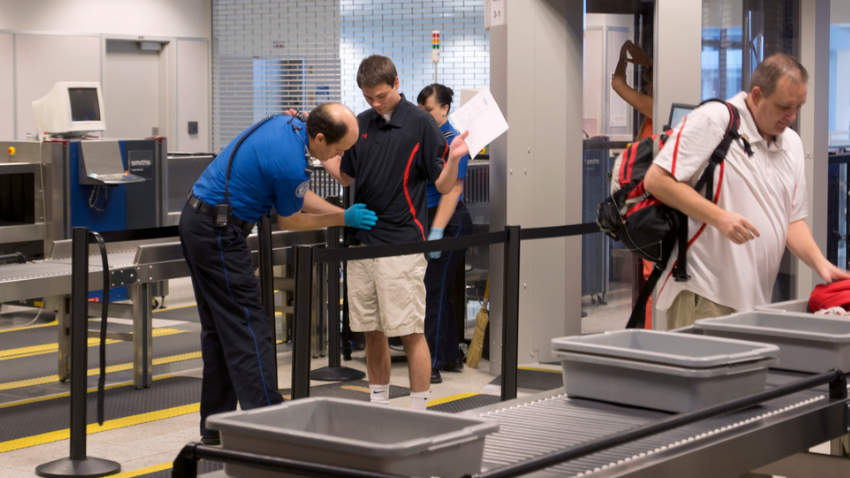
Why Times Vary So Dramatically
- Time of Day: Early morning (5:00 AM – 8:00 AM) and late afternoon are historically the busiest times for security checkpoints.
- Day of the Week: Fridays and Sundays remain the high-traffic “danger zones” for travelers.
- Airport Infrastructure: Larger international hubs have more lanes, but they also serve significantly more passengers, which can lead to longer cumulative waits.
- The “Human Factor”: As noted by industry experts, even the best-oiled machines hit a snag when behind a group of first-time flyers who may be unfamiliar with the 3-1-1 liquids rule or modern screening protocols.
Expedited Screening: Are TSA PreCheck and CLEAR Worth It?
For many, the solution to long lines is joining an expedited screening program. In 2026, TSA PreCheck and CLEAR have become the gold standard for business travelers and vacationers looking to reclaim their time.
TSA PreCheck vs. CLEAR
TSA PreCheck allows you to keep your shoes, belt, and light jacket on, while leaving your laptop and compliant liquids in your bag. It is a government-run program that focuses on vetting passengers to reduce the screening burden.
CLEAR, on the other hand, is a private biometric service. It uses your eyes and fingerprints to verify your identity, allowing you to skip the manual ID check and move directly to the front of the security screening line.
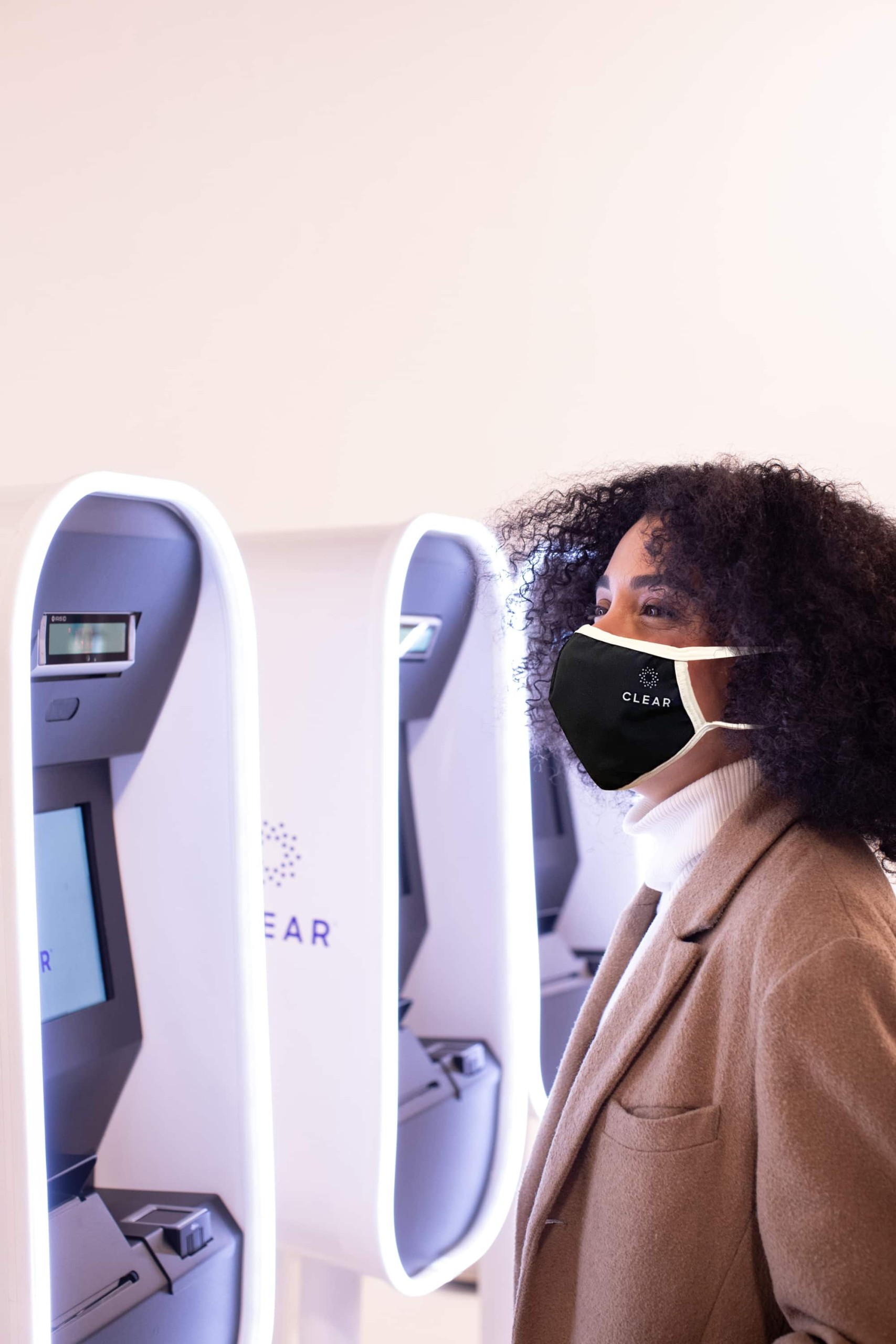
Are they immune to delays? Not entirely. While these programs provide a significantly faster path, they are not immune to massive disruptions. During extreme peak periods, even the PreCheck lanes can experience a “spillover” effect. However, statistically, members of these programs still clear security in a fraction of the time compared to standard lanes.
Strategic Tips to Reduce Your Security Wait
If you want to ensure you aren’t the one watching your flight depart from the terminal window, follow these professional travel strategies:
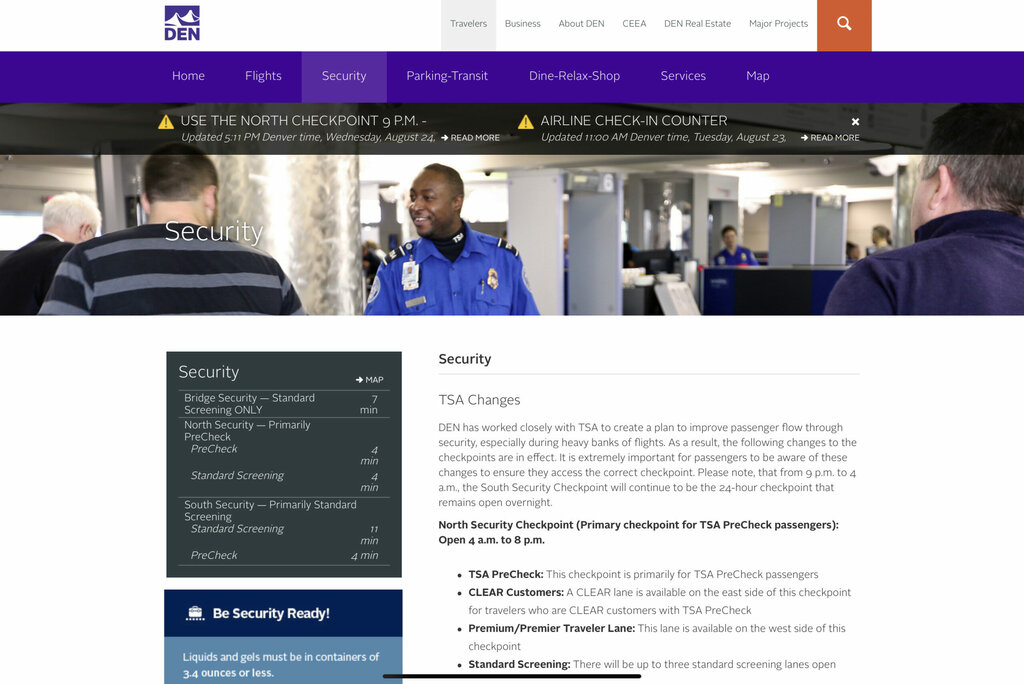
- Check Real-Time Data: Many airport websites now provide live security wait time dashboards. Always check these 2–3 hours before you leave for the airport.
- Choose Your Lane Wisely: If you have CLEAR, use it to bypass the ID check, but keep an eye on the general TSA lane. Sometimes, if the TSA PreCheck line is unusually long, a standard lane might actually be moving faster.
- Dress for Speed: Wear slip-on shoes and avoid excessive jewelry or metal accessories. The faster you can move through the metal detector or Advanced Imaging Technology (AIT) scanner, the faster the entire line moves.
- Organize Your Carry-On: Keep your electronics and liquids accessible. If you aren’t in a PreCheck lane, having these items ready to pull out in seconds is a major time-saver.
What Happens If You Miss Your Flight?
Despite your best efforts, sometimes delays are unavoidable. If you find yourself stuck behind an unexpected security surge and miss your flight, don’t panic.
- Contact the Airline Immediately: As soon as you realize you won’t make it, use the airline’s mobile app to rebook.
- Speak to a Gate Agent: If you are still at the airport, head to the customer service desk. Being polite and proactive often yields better results than frustration.
- Know Your Rights: While airlines are not required to compensate you for security delays, many will waive change fees if you present documentation of the delay.
Conclusion: Plan for the Worst, Hope for the Best
In 2026, the average time to clear airport security can range from 5 minutes during off-peak hours to over 60 minutes during holiday surges. By leveraging tools like TSA PreCheck, staying informed via CBP wait time reports, and preparing your carry-on luggage with efficiency in mind, you can drastically reduce your stress levels.
Remember, the goal is to arrive at the airport with enough buffer time to handle the unexpected. If you arrive prepared, security becomes just another step in your journey rather than a roadblock to your destination.