
Mastering the humble scrambled egg is perhaps the most significant culinary benchmark for any home cook. While the dish seems deceptively simple, the culinary landscape of 2026 has elevated this breakfast staple into a precise science. If you have ever asked, how long does it take to cook scrambled eggs properly, you are likely looking for the bridge between a dry, rubbery scramble and the velvety, custard-like texture favored by modern chefs. The answer is not just a number on a clock; it is a relationship between thermodynamics, protein coagulation, and timing.
In this comprehensive guide, we explore the nuances of egg preparation, analyzing why the traditional “fast and hot” method is being replaced by techniques that prioritize moisture retention and structural integrity. Whether you are a culinary enthusiast or a busy professional, understanding the exact cooking duration for scrambled eggs will transform your breakfast routine entirely.
The Science of Coagulation: Why Timing Matters

To understand the duration required for the perfect scramble, one must first understand what happens to an egg under heat. Eggs are primarily composed of water and proteins. When heat is applied, these proteins denature and bond together, a process known as coagulation. In 2026, food science research emphasizes that protein coagulation occurs optimally at temperatures between 150°F and 160°F (65°C to 71°C).
If the heat is too high, the proteins contract too quickly and squeeze out the water trapped within the protein matrix. This is exactly what leads to the “weeping” of liquid into the pan and the rubbery texture that many home cooks inadvertently create. By controlling the cook time, you control the texture. A 90-second scramble creates large, firm curds, while a 5-minute slow-cook method creates microscopic curds that result in a luxurious, creamy mouthfeel.
The Variable Factors Influencing Cook Time
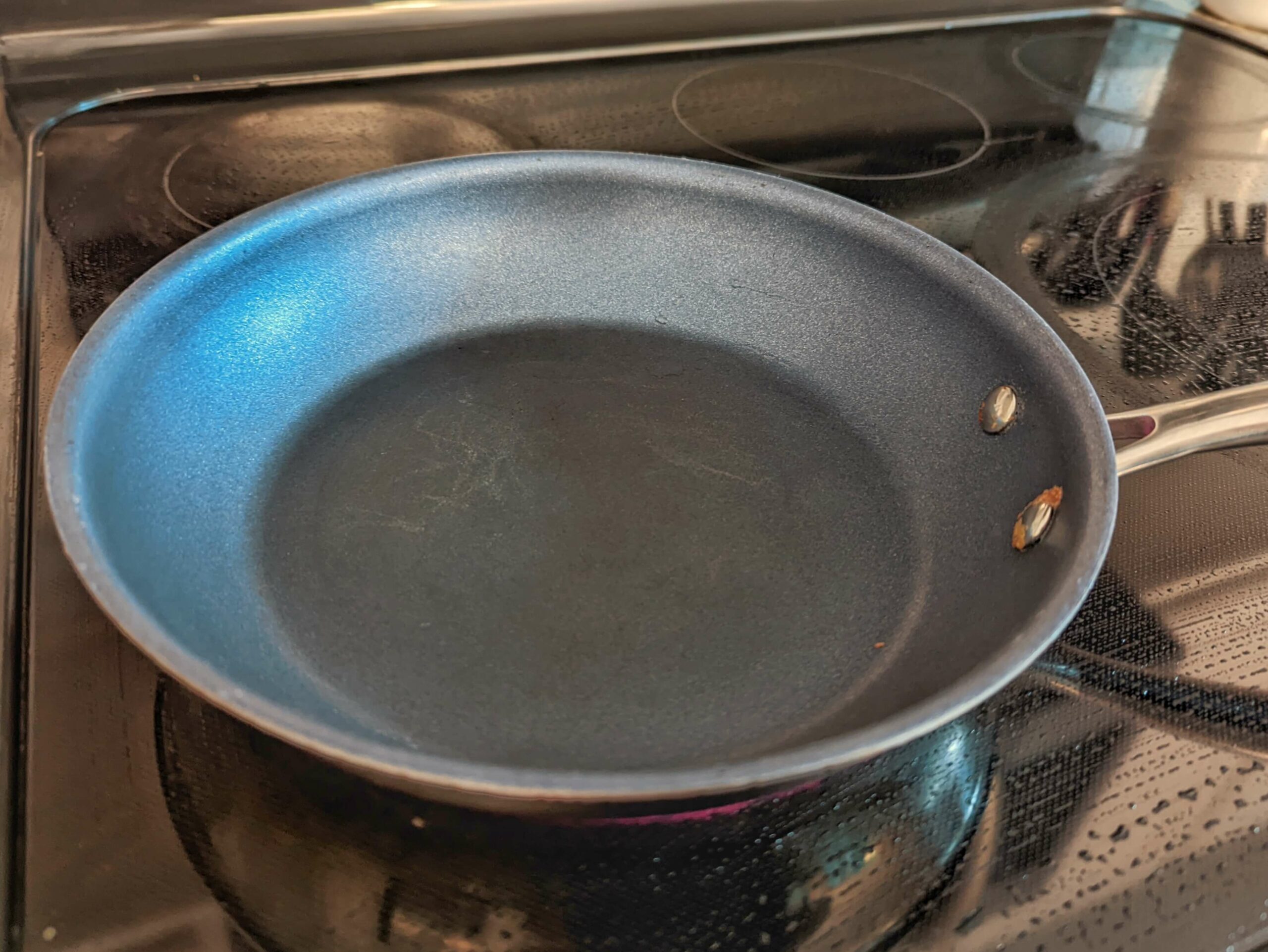
It is impossible to provide a single, universal number for how long it takes to cook scrambled eggs properly without acknowledging the variables that dictate the process. Several factors in your kitchen will shift your timeline by thirty seconds to a full minute.
- Pan Material: A heavy-bottomed stainless steel pan retains heat longer than a thin aluminum pan, which can lead to carry-over cooking. If you use heavy cookware, you must remove the eggs from the heat roughly 30 seconds earlier than you would with a non-stick skillet.
- Egg Temperature: Starting with room-temperature eggs is a 2026 culinary trend that reduces cook time by ensuring the proteins begin to set the moment they touch the pan. Cold eggs from the refrigerator can add an extra 60 seconds to the overall cook time.
- Fat Content: Adding a small amount of heavy cream or crème fraîche not only adds flavor but acts as a heat buffer, slightly extending the cook time and creating a more forgiving window for the chef.
- Volume: Cooking two eggs versus six eggs changes the surface-area-to-heat ratio. Always adjust your timing upward as the volume of eggs in the pan increases.
High-Heat vs. Low-Heat: Choosing Your Style
The debate between the “Diner-Style” scramble and the “French-Style” (or Escoffier) scramble remains a focal point of 2026 cooking trends. The style you choose dictates the duration of the cooking process.
The High-Heat Method (60 to 90 seconds): This approach is ideal for those who prefer distinct, large, fluffy curds. By using a higher temperature, you force the water to evaporate quickly, creating steam that puffs up the egg structure. This method requires constant movement—using a spatula to clear the pan surface continuously. If you exceed 90 seconds, the eggs will transition from fluffy to dry.
The Low-and-Slow Method (4 to 7 minutes): This is the gold standard for gourmet scrambled eggs. By keeping the heat on the lower end of the spectrum, you are essentially cooking the eggs in a controlled, gentle environment. This requires patience and near-constant agitation. The result is a homogenous, custard-like consistency that is increasingly popular in high-end brunch menus across the globe.
Step-by-Step Workflow for Consistent Results
To master the timing of your eggs, follow this optimized workflow. Preparation is the secret ingredient that ensures your cooking time remains consistent every single morning.
Step 1: The Whisk (60 seconds). Do not just break the yolks; whisk until the whites and yolks are fully combined and no distinct streaks remain. Modern research suggests that adding a pinch of salt at this stage helps to break down the proteins, which can actually prevent the eggs from becoming rubbery later.
Step 2: The Pan Pre-heat (60 seconds). Never pour eggs into a cold pan. Use medium-low heat and wait for your fat—be it butter or avocado oil—to shimmer. If the butter browns, the pan is too hot.
Step 3: The Initial Set (30 seconds). Pour the eggs in and let them sit untouched for about 20 to 30 seconds. This allows the base layer to establish a structure, preventing a watery mess.
Step 4: The Gentle Fold (2 to 4 minutes). Using a silicone spatula, push the eggs from the outer edges toward the center. Do not stir aggressively; folding allows the uncooked liquid to reach the hot surface of the pan, ensuring even coagulation.
Step 5: The Carry-Over Removal (Instant). This is the most crucial step for timing. Remove the eggs from the heat when they still look slightly wet—or “underdone”—to the naked eye. The residual heat in the pan will finish the cooking process in the 30 seconds it takes to move them to your plate.
Troubleshooting Common Timing Mistakes
Even with the best intentions, many cooks find their timing off. If your eggs are taking too long, your heat source may be insufficient, or your pan may be too cold. Conversely, if your eggs are finished in under 45 seconds, you are likely using too much heat, which destroys the delicate flavor compounds. In 2026, the “Look, Don’t Just Time” approach is encouraged. If the eggs begin to release moisture, they are overcooked, regardless of what the clock says.
Another common timing error is the use of non-reactive bowls. Using a glass bowl for whisking can keep the eggs colder for longer, while a metal bowl conducts ambient temperature, helping to bring the eggs closer to room temperature before they hit the heat. This small adjustment can save you 20 seconds of cooking time and prevent the eggs from cooling down the pan too rapidly.
Frequently Asked Questions About Egg Cooking Times
Q: Does adding milk or water change the cooking time significantly?
A: Yes, adding liquid increases the volume of the mixture. This means it takes slightly longer for the heat to penetrate the center of the egg mass. Expect to add about 30 to 45 seconds to your total cooking time if you add a tablespoon of liquid per egg.
Q: How do I know exactly when to pull the eggs off the heat?
A: Look for the “Glossy Finish.” When the eggs look like wet, soft-set curds and have lost their liquid transparency, they are ready to be removed. If you wait until they look perfectly dry in the pan, they will be overcooked by the time they reach your plate.
Q: Can I use an induction cooktop to speed up the process?
A: Induction cooktops offer superior temperature control. While they don’t necessarily make the eggs cook faster, they make the process more consistent. Because induction heat is precise, you can accurately replicate a 4-minute “slow-cook” every single time without the risk of hot spots.
Conclusion: The Art of the Perfect Scramble
Ultimately, determining how long it takes to cook scrambled eggs properly is a personal journey that depends on your palate. Whether you prefer the 60-second high-heat fluff or the 5-minute low-heat creaminess, the key to success in 2026 is consistency and observation. By controlling your heat, prepping your ingredients, and mastering the carry-over cook time, you elevate a simple breakfast into a culinary achievement. Remember that the clock is a tool, but your eyes and your spatula are the true guides to achieving that elusive, restaurant-quality texture.
Tags: scrambled eggs, cooking times, breakfast science, culinary techniques, egg preparation
Category: Cooking Guides