
Mastering the art of stovetop rice remains a fundamental skill for any home cook, even in 2026. Despite the rise of AI-integrated kitchen appliances and smart induction cooktops, the classic stovetop method remains the gold standard for achieving the perfect texture and flavor profile. Whether you are preparing a quick weeknight stir-fry, a Mediterranean bowl, or a hearty side dish, the question of how long it takes to cook white rice on the stove is one that every culinary enthusiast must answer with precision.
In 2026, home cooking trends have shifted toward efficiency and sustainability. With energy prices fluctuating, understanding the exact timing for stovetop cooking is not just about culinary perfection—it is about resource management. On average, you are looking at approximately 15 to 20 minutes of active cooking time, plus a mandatory rest period. By the time you account for the initial boil, you can expect a steaming, fluffy bowl of perfection on your table in under 30 minutes total.
Why the Stovetop Method Still Reigns Supreme in 2026
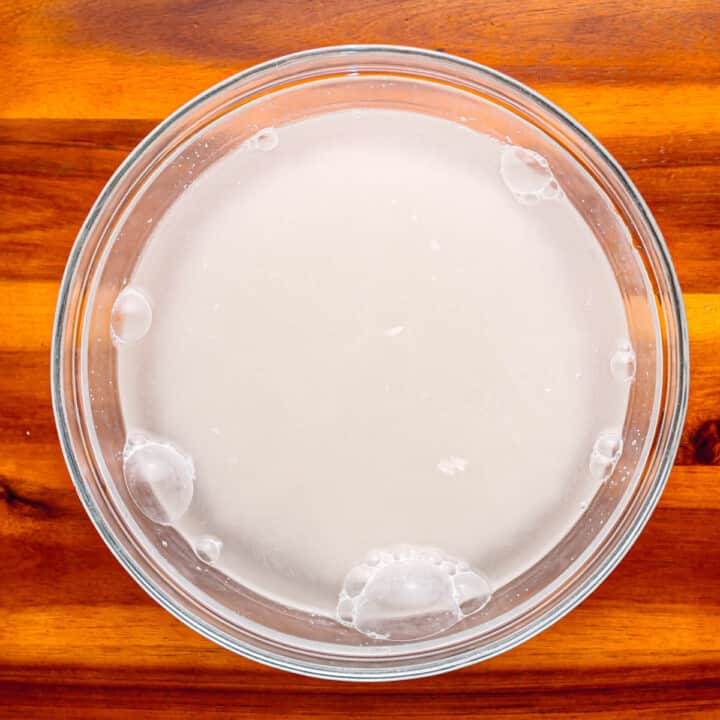
While high-tech multicookers and smart rice cookers have become staples in modern kitchens, the stovetop method offers a level of tactile control that automated appliances cannot replicate. When you cook rice on the stove, you are utilizing the absorption method. This process allows water to hydrate the starch granules gradually, resulting in a tender, light texture that is never mushy or burnt.
Furthermore, the stovetop method is inherently sustainable. It requires no specialized equipment beyond a heavy-bottomed saucepan with a tight-fitting lid. In a 2026 landscape where minimalism and “low-tech” kitchen solutions are trending, the ability to cook perfect rice without relying on a dedicated appliance is a highly valued skill. It saves counter space, reduces electronic waste, and allows the cook to develop an intuitive sense of “doneness” based on sound and steam release.
The Science of Timing: Breaking Down the 30-Minute Window
Consistency is the hallmark of a great cook. To achieve that restaurant-quality fluffiness, you must treat the cooking process as a sequence of distinct phases. Understanding these time intervals is essential for planning your meal prep effectively. Based on 2026 culinary standards, the breakdown for the perfect pot of white rice is as follows:
- Prep and Boil (5 to 7 minutes): This includes rinsing the grains and bringing your water to a rolling boil.
- The Simmer (15 to 18 minutes): The core cooking phase where heat is reduced to the lowest possible setting.
- The Rest (10 minutes): This is the most critical, yet often neglected, step. Allowing the rice to sit off the heat with the lid on ensures that residual moisture is redistributed evenly throughout the grains.
If you rush any of these steps, you risk either crunchy, undercooked centers or a gummy, over-hydrated exterior. The total time of 30 to 35 minutes is a reliable benchmark for most long-grain white rice varieties, including Jasmine, Basmati, and American long-grain.
Varietal Differences: How Rice Type Affects Cooking Duration
Not all white rice is created equal. In 2026, the global pantry has expanded, and home cooks are experimenting with diverse varieties from around the world. The time required to cook white rice on the stove varies slightly depending on the starch content and the size of the grain.
Jasmine Rice is a long-grain variety known for its floral aroma. Because it is slightly softer, it typically reaches perfection at the lower end of the time spectrum, usually around 15 minutes of simmering. Basmati Rice, prized for its elongated shape and distinct nutty flavor, often benefits from a 30-minute soak prior to cooking, which can actually reduce the active stovetop time to about 12 to 14 minutes. Conversely, medium-grain white rice, which contains more amylopectin, may require a slightly longer simmer of 18 to 20 minutes to achieve the desired tenderness without becoming clumpy.
The Essential Step-by-Step Guide to Stovetop Success
To ensure you never serve soggy or burnt rice again, follow this professional 2026-optimized workflow for the best results:
Step 1: The Rinse
Always rinse your white rice under cold running water using a fine-mesh sieve. Continue until the water runs clear. This removes excess surface starch—the primary culprit behind clumpy, sticky rice. In 2026, chefs are emphasizing this step more than ever to ensure individual grain separation.
Step 2: The Ratio
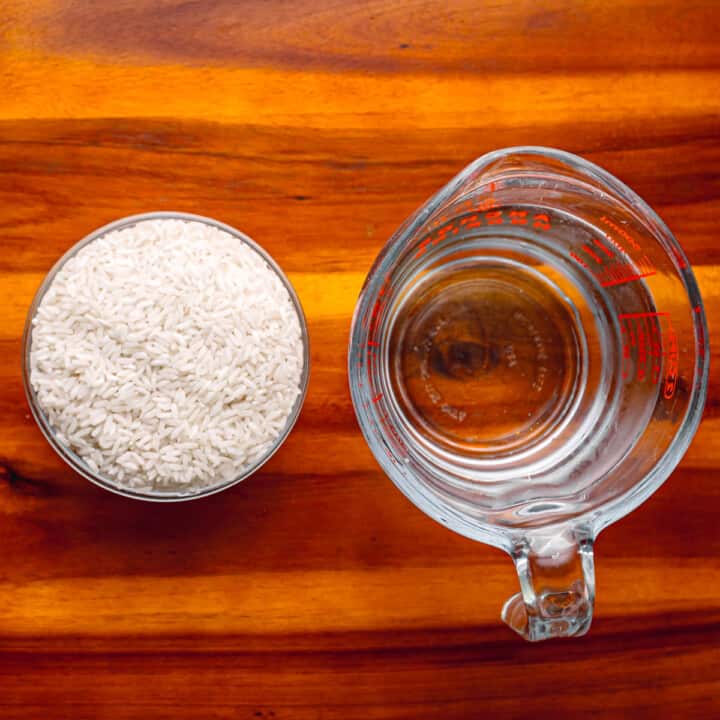
The standard ratio of 1 cup of rice to 1.5 cups of water is the current recommendation for most modern stovetops. However, if you are cooking at high altitudes or using a particularly dry variety of aged rice, you may increase this to 1.75 cups of water. Precise measurement is the key to consistency.
Step 3: The Boil and Seal
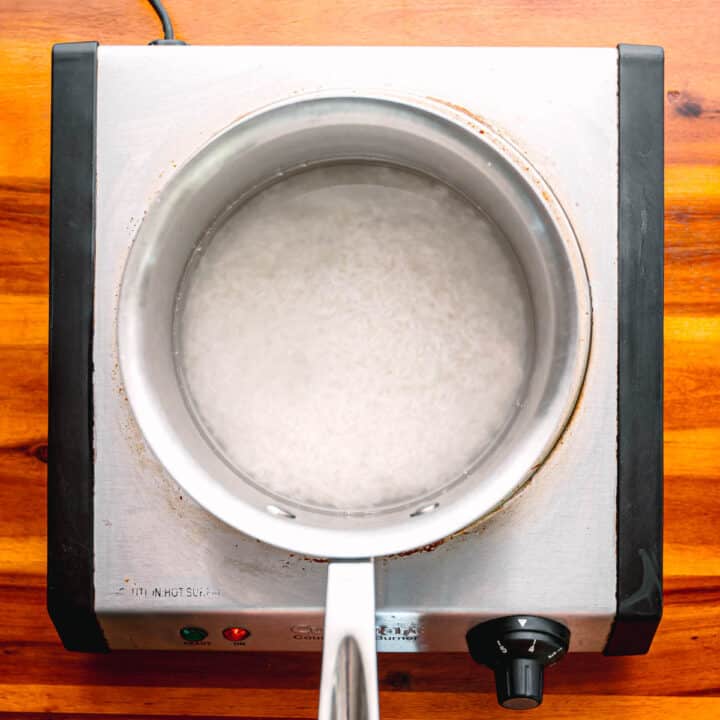
Bring the water and rice to a boil, then immediately turn the heat to the lowest setting. Cover the pot with a tight-fitting lid. Do not lift the lid. Every time you peek, you release vital steam that is necessary for the absorption process. If your lid is loose, consider placing a clean kitchen towel between the pot and the lid to create a tighter seal.
Step 4: The Rest
Once the water has been absorbed, turn off the heat entirely. Leave the pot on the burner (if using electric or induction) or move it to a cool surface for 10 minutes. This allows the steam to finish cooking the center of the grains, resulting in a uniform texture throughout the pot.
Troubleshooting Common Stovetop Rice Issues
Even the most experienced cooks encounter the occasional “rice disaster.” Understanding how to fix these issues is part of the learning curve. If your rice is too crunchy, it likely needed more water or a longer simmer time. You can often save it by adding a splash of water, covering it tightly, and simmering for an additional 3 to 5 minutes on the lowest heat.
If your rice is too mushy, you likely used too much water or stirred the rice during the cooking process. Stirring releases starch and breaks the grains, leading to a glue-like consistency. In 2026, the golden rule remains: hands off the pot until the resting phase is complete. If you find your rice is burning on the bottom, your heat setting was likely too high for your specific stove. Invest in a heavy-bottomed, stainless steel, or enameled cast-iron pot to distribute heat more evenly and prevent hot spots.
Sustainability and Energy Efficiency in 2026
With the global push toward energy conservation, cooking rice on the stove has become an exercise in efficiency. Many modern home cooks are now using the “residual heat” method. By turning off the stove 2-3 minutes before the rice is fully finished and allowing it to finish in the covered pot, you can reduce your energy consumption without sacrificing quality. This 2026-friendly technique is perfect for those looking to lower their carbon footprint while still enjoying high-quality home-cooked meals.
Frequently Asked Questions
Does the size of the pot affect how long it takes to cook white rice on the stove?
Yes. A pot that is too large will cause the water to evaporate too quickly, while a pot that is too small may cause the rice to boil over. Use a saucepan where the rice and water occupy about one-third of the total volume for optimal heat distribution and steam retention.
Should I add salt or oil to the water?
Adding a pinch of salt is highly recommended to enhance the natural flavor of the rice. Adding a teaspoon of oil or butter can help prevent sticking and keep the grains separate, which is particularly helpful for beginners.
Can I reheat stovetop rice safely?
Yes, but you must store it correctly. Cool the rice quickly and place it in an airtight container in the refrigerator. When reheating, add a tablespoon of water to the container to rehydrate the grains and prevent them from drying out in the microwave or on the stove.
Why does my rice stick to the bottom of the pan?
This usually happens because the heat is too high or the pot material is too thin. Ensure you are using a heavy-bottomed pot and keeping the heat at the absolute lowest setting once the simmer begins.
Conclusion
Learning how long it takes to cook white rice on the stove is a fundamental rite of passage that rewards you with better meals for years to come. By dedicating under 30 minutes to the process and respecting the science of absorption, rinsing, and resting, you can achieve a level of culinary consistency that rivals any high-end restaurant. As we move through 2026, let the simplicity of the stovetop method remind you that great food doesn’t always require complex technology—just patience, precision, and the right technique.