
We have all experienced that sudden moment of panic: it is 5:00 PM, the family is hungry, and the chicken meant for dinner is still a frozen, rock-hard brick in the freezer. In the fast-paced landscape of 2026, where meal prepping and home cooking are more popular than ever, mastering the art of safe thawing is not just a culinary convenience—it is a non-negotiable food safety requirement. Understanding exactly how long it takes to defrost chicken safely is the first line of defense against foodborne illnesses like Salmonella and Campylobacter, which remain significant public health concerns.
While the modern kitchen has seen advancements in smart appliances and rapid-thaw technology, the fundamental biology of bacterial growth remains constant. When chicken sits at room temperature, it enters the “Danger Zone”—the temperature range between 40°F (4°C) and 140°F (60°C)—where bacteria can double in number in as little as 20 minutes. This comprehensive guide will navigate the safest methods for thawing poultry in 2026, ensuring your dinner is both delicious and pathogen-free.
The Science of Safety: Why Proper Thawing Matters
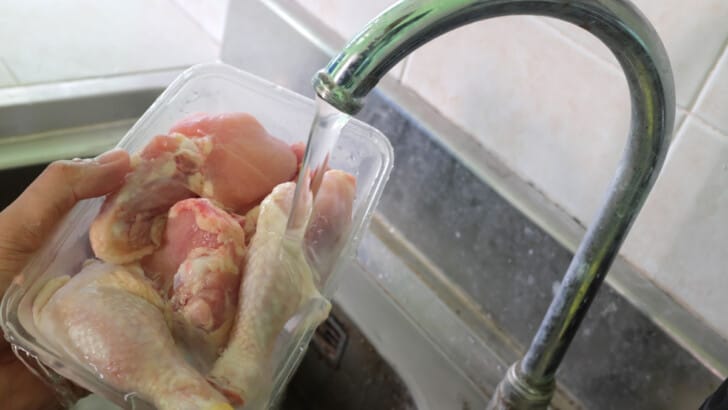
In 2026, food safety guidelines from the USDA and international health organizations remain steadfast: never thaw chicken on the kitchen counter. Despite the myths circulating on social media platforms, room-temperature thawing is the primary cause of kitchen-related food poisoning. When the surface of the chicken warms up while the center remains frozen, the outer layer becomes an incubator for rapid bacterial proliferation.
Proper thawing is about temperature control. By keeping the meat below 40°F, you effectively pause the biological clock of spoilage bacteria. Whether you are dealing with organic breast fillets or a heritage-breed whole roaster, the goal is to bring the internal temperature up gradually and uniformly. Failure to do so can result in uneven cooking, where the exterior of the chicken becomes overdone and dry, while the interior remains dangerously under-temperature.
Refrigerator Thawing: The Gold Standard for 2026
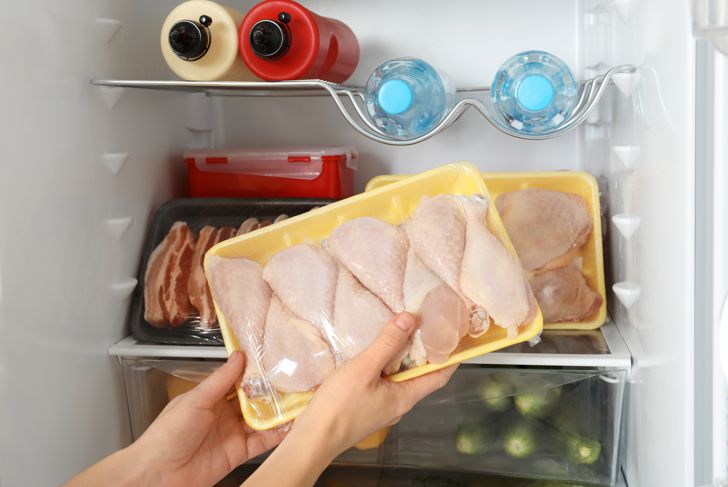
The refrigerator remains the safest, most reliable method for defrosting chicken. It requires foresight, but it offers the lowest risk of contamination. To execute this correctly, you must plan ahead by at least 24 hours. The rule of thumb for 2026 is 24 hours of thawing time for every 5 pounds of chicken.
To maximize safety when using the refrigerator method:
- Use a Leak-Proof Barrier: Always place your chicken on the bottom shelf of your refrigerator. Use a glass container or a heavy-duty, leak-proof silicone bag. This prevents juices from dripping onto other food items, which is the leading cause of cross-contamination in home kitchens.
- Maintain Consistent Temperature: Ensure your refrigerator is set to 37°F to 39°F. If your fridge is overloaded, the airflow may be restricted, causing the chicken to take longer to thaw.
- Storage Longevity: Once the chicken is fully defrosted in the refrigerator, it remains safe to cook for an additional 1 to 2 days. This flexibility is a major advantage for busy professionals who might have a sudden change in their evening schedule.
The Cold Water Method: Rapid Thawing for Urgent Needs

When you do not have 24 hours to spare, the cold water method is the industry-approved shortcut. This method is significantly faster than refrigerator thawing, typically taking 1 to 3 hours depending on the size of the cut. However, it requires active management and strict adherence to protocol to prevent the meat from entering the Danger Zone.
Follow these steps for a safe cold-water thaw:
- Seal Securely: Place the frozen chicken in a leak-proof, vacuum-sealed, or heavy-duty plastic bag. Submerging the meat directly in water can lead to the absorption of moisture, resulting in mushy, waterlogged meat and a high risk of bacterial cross-contamination.
- Submerge Completely: Place the sealed bag in a large bowl and fill it with cold tap water. Never use warm or hot water, as this will raise the temperature of the outer layers of the chicken too quickly.
- Refresh the Water: This is the most critical step. Change the water every 30 minutes. This ensures that the water surrounding the bag remains cold enough to inhibit bacterial growth.
- Cook Immediately: Unlike refrigerator-thawed chicken, meat thawed using the cold water method must be cooked immediately after it reaches a thawed state. You cannot place it back into the refrigerator to cook later.
The Microwave Shortcut: When Seconds Count
The microwave is the fastest method, but it is also the most prone to error. In 2026, most modern microwaves feature specialized “Defrost” settings that pulse power to prevent the meat from actually cooking. However, even with these settings, microwave thawing often leads to “hot spots” where parts of the chicken begin to cook and reach the Danger Zone while other parts remain frozen.
If you must use a microwave, follow these safety precautions:
- Use the Weight Setting: Most 2026-model microwaves allow you to input the weight of the chicken for precise defrosting duration.
- Continuous Monitoring: Stop the microwave every 2 minutes to check the progress. Rotate the chicken and separate pieces that have already thawed to ensure even distribution of heat.
- Immediate Cooking: You must place the chicken directly into the oven, pan, or grill immediately after it finishes in the microwave. Because parts of the chicken have already reached cooking temperatures, bacteria may have begun to thrive if the meat is left to sit.
Thawing and Cooking from Frozen: The Ultimate Efficiency
One of the most common questions in 2026 is: “Can I cook chicken directly from frozen?” The answer is a resounding yes, provided you follow specific guidelines. Cooking from frozen is actually safer than improper thawing, as it skips the Danger Zone entirely. However, you must adjust your cooking time significantly.
When cooking chicken from frozen, expect the process to take approximately 50% longer than the standard cooking time for fresh or thawed chicken. For example, if a recipe calls for 30 minutes of baking for fresh breasts, you should budget for at least 45 minutes when starting with frozen meat. Always use a digital meat thermometer to ensure the thickest part of the chicken reaches an internal temperature of 165°F (74°C). This is the only way to guarantee the meat is safe for consumption, regardless of whether it started frozen or thawed.
Frequently Asked Questions (FAQ)
How long can chicken stay in the fridge after being thawed?
If you thawed the chicken in the refrigerator, it can stay there for 1 to 2 days before you must cook it. If you thawed it using the cold water or microwave method, you must cook it immediately.
Is it safe to refreeze chicken after it has been thawed?
If the chicken was thawed in the refrigerator at a temperature of 40°F or below, it is safe to refreeze it. However, the quality of the meat—specifically the texture and moisture content—may decrease. Never refreeze chicken that was thawed in cold water or the microwave unless it has been fully cooked first.
How do I know if my chicken has gone bad after thawing?
Trust your senses. If the chicken has a sour or pungent odor, feels slimy or tacky to the touch, or has developed a grayish or greenish hue, discard it immediately. When in doubt, throw it out; no meal is worth the risk of food poisoning.
Can I use a slow cooker to thaw frozen chicken?
Absolutely not. A slow cooker takes too long to bring the chicken to a safe temperature. The meat will spend far too much time in the Danger Zone, allowing bacteria to multiply to dangerous levels. Always thaw your chicken fully before adding it to a slow cooker.
Conclusion: Mastering the Timeline
Knowing how long it takes to defrost chicken safely is an essential skill for the modern home cook in 2026. By prioritizing the refrigerator method, utilizing cold water for emergencies, and understanding the risks of the microwave, you can ensure your meals are both convenient and safe. Remember that food safety is not just about the final temperature of the dish, but about the entire journey from the freezer to the plate. By avoiding the Danger Zone and keeping your kitchen environment clean, you can enjoy the peace of mind that comes with serving healthy, delicious meals to your family every single time.
As kitchen technology continues to evolve, the core principles of poultry safety remain the same. Keep your fridge calibrated, use a reliable digital thermometer, and never underestimate the importance of planning. With these habits, you will never be caught off guard by a frozen block of chicken again.