
In an era where energy efficiency is more critical than ever, many households are returning to the timeless practice of air-drying laundry. Whether you are looking to lower your utility bills, extend the lifespan of your favorite garments, or simply embrace a more sustainable lifestyle, understanding the drying process is essential. But how long does it take to dry clothes naturally?
The short answer is that it typically takes anywhere from 2 to 24 hours. However, this timeframe is heavily dependent on ambient temperature, humidity levels, and airflow. By 2026, with advanced home climate controls and better-designed drying racks, optimizing this process has become easier than ever.
The Core Factors Affecting Drying Time
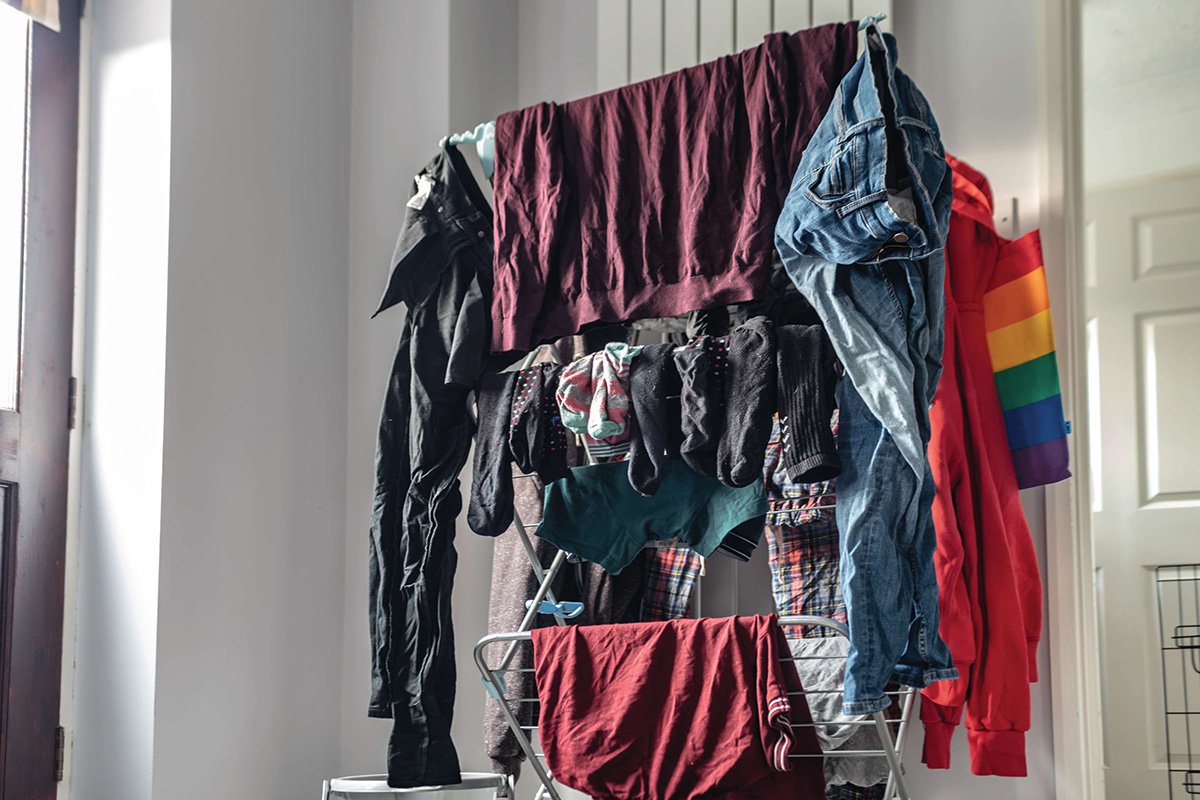
When you hang your laundry to dry, you are essentially relying on the physics of evaporation. Several environmental variables dictate how quickly moisture leaves your fabric and enters the surrounding air.
1. Relative Humidity
Humidity is the most significant “silent killer” of fast drying times. If the air in your room or outdoor space is already saturated with moisture, it cannot absorb more from your damp clothes. In 2026, many homeowners use dehumidifiers in their laundry rooms to keep indoor humidity between 30% and 50%, which can cut drying times by nearly 40%.
2. Air Circulation and Ventilation
Stagnant air is the enemy of efficiency. Without a breeze or a fan, a “micro-climate” of damp air forms around your wet clothes, drastically slowing down the evaporation process. Placing your drying rack near an open window or using a low-wattage oscillating fan can significantly accelerate the process.
3. Fabric Composition
Different materials hold water differently. Synthetic fabrics like polyester or nylon are moisture-wicking and often dry in as little as 2 to 4 hours. Conversely, heavy denim, wool sweaters, or thick cotton towels can take 18 to 24 hours to dry completely, especially if the weather is cool.
Optimizing Your Indoor Drying Routine
If you live in a climate where outdoor drying isn’t always feasible, you can master the art of indoor drying. Many modern apartments in 2026 are designed with dedicated laundry alcoves that prioritize airflow.
- Space Out Your Items: Never overcrowd your drying rack. Leaving at least 2 inches of space between garments allows air to circulate freely around each piece.
- The “Toweling” Trick: For thick items, lay them flat on a dry towel and roll them up like a sleeping bag before hanging. The towel absorbs the excess moisture, reducing the drying time by hours.
- Utilize Heat Sources: Position your rack near (but not directly touching) a radiator or a heating vent during the winter months to take advantage of ambient warmth.
Outdoor Drying: Nature’s Best Laundry Assistant
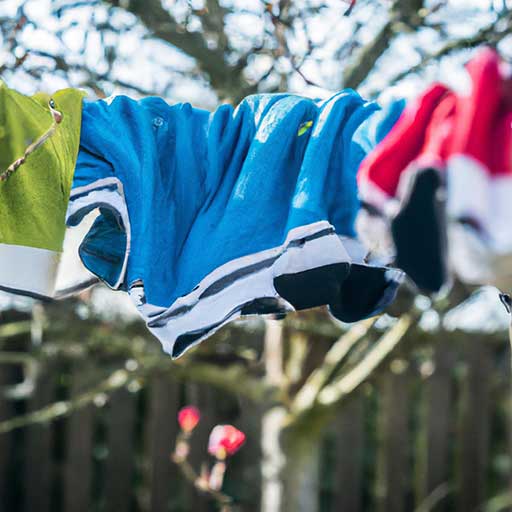
For those with access to a balcony or backyard, outdoor drying remains the gold standard. Sunlight acts as a natural disinfectant, and UV rays can even help brighten white fabrics.
In ideal conditions—a sunny day with a light breeze and temperatures above 20°C (68°F)—most clothes will be bone-dry in 3 to 6 hours. However, be mindful of pollen counts and air quality, which are easily tracked via smart home apps in 2026. Always ensure your clothes are secured with high-quality pegs to prevent them from blowing away during sudden gusts.
Common Mistakes That Delay Drying
Even with the best intentions, many people accidentally sabotage their drying efforts. Avoiding these common pitfalls will save you time and prevent that dreaded “musty” smell:
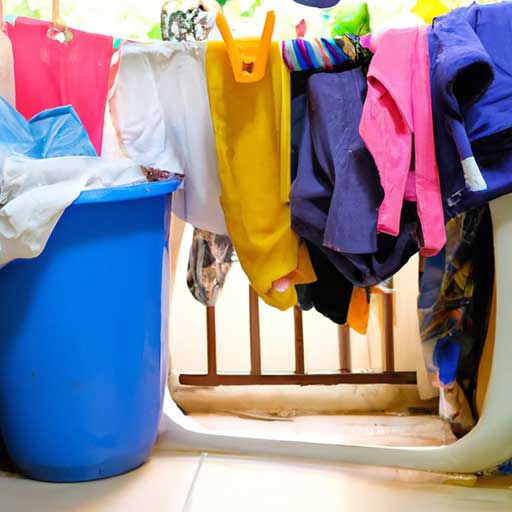
- Leaving Clothes in the Washer: Never leave wet clothes in the machine for more than an hour after the cycle ends. This encourages mildew growth and makes the drying process start on a “stale” note.
- Neglecting the Spin Cycle: Always ensure your washing machine’s high-speed spin cycle is engaged. Extracting as much water as possible before hanging is the single most effective way to shorten drying time.
- Ignoring Weight Distribution: Heavy items should always be placed on the outer edges of the drying rack, while smaller, lighter items go in the center.
Is Natural Drying Right for You?
While natural drying is the most eco-friendly and fabric-safe method, it does require a bit of patience and strategy. If you are in a rush, a hybrid approach—using a high-speed spin cycle followed by a short period of air-drying—is often the best compromise for a modern, busy lifestyle.
By understanding how environmental factors like humidity and airflow interact with your laundry, you can master the process. Whether you are aiming to reduce your carbon footprint or simply want your clothes to last longer, natural drying is a skill that pays dividends in 2026 and beyond.