
We’ve all been there: staring at the ceiling, counting sheep, and wondering why sleep feels like an elusive guest that refuses to arrive. In our fast-paced world of 2026, where digital distractions are constant, understanding your body’s natural rhythm is more important than ever. You might be asking yourself, “Am I normal?” or “Why does it take me so long to drift off?”
For most healthy adults, the journey from wakefulness to slumber should be a gentle transition rather than an instant blackout. Understanding the biological benchmarks for sleep latency—the clinical term for the time it takes to fall asleep—can help you optimize your nightly routine and improve your overall well-being.
<img alt="How Long Does it Take To Fall Asleep? Tips + Average Time" src="https://purple.com/sites/default/files/styles/large169/public/2023-04/Web-how%2520how%2520long%2520does%2520it%2520take%2520to%2520fall%2520asleep%252016×9.JPG?itok=ItKAOBep” style=”max-width:100%; height:auto; border-radius:8px; margin: 1rem 0;” />
The Gold Standard: What Is Normal Sleep Latency?
Sleep experts and researchers generally agree on a specific timeframe for healthy sleep. If you are a healthy adult without significant sleep disorders, it should typically take you 10 to 20 minutes to fall asleep once you turn out the lights and settle into bed.
This window is considered the “sweet spot.” It indicates that your body is relaxed enough to transition into the first stage of sleep, yet alert enough that you aren’t suffering from extreme exhaustion. While some might think falling asleep the second their head hits the pillow is a sign of a great sleeper, it’s often a red flag.
Why “Instant Sleep” Can Be Deceptive
If you find yourself falling asleep in less than 5 minutes, you might be experiencing sleep deprivation. When your body is severely sleep-deprived, it enters a state of “sleep onset,” where the brain forces you into unconsciousness rapidly to recover. While it feels efficient, it is actually a sign that you aren’t getting the 7–8 hours of quality rest your body requires to function optimally in 2026.
Factors Influencing Your Sleep Latency
Several variables dictate how quickly you drift off. From your internal body clock to your environment, understanding these triggers is key to mastering your sleep hygiene.
- Circadian Rhythm: Your internal clock regulates the release of melatonin. If you aren’t aligning your bedtime with your natural rhythm, you will struggle to fall asleep regardless of how tired you feel.
- Stress and Cortisol: High levels of stress keep the brain in a state of hyperarousal. If your mind is racing, your sleep latency will naturally increase beyond the 20-minute mark.
- Environmental Factors: Temperature, light exposure, and noise levels play a massive role. A room that is too warm or filled with blue light from devices will signal your brain to stay awake.
<img alt="How Long Does It Take To Fall Asleep? How To Drift off Faster – Hush …" src="http://cdn.shopify.com/s/files/1/0023/1269/9959/articles/howlongtofallasleep12ec68d55-d40c-4b35-af2c-010705753ea3.jpg?v=1645217694″ style=”max-width:100%; height:auto; border-radius:8px; margin: 1rem 0;” />
Age-Related Sleep Needs
It is essential to remember that “normal” changes throughout your life. While adults aim for the 10-20 minute window, other demographics have different requirements:
- Babies and Toddlers: These groups require significantly more sleep, often including naps, to support rapid brain development.
- Children and Adolescents: School-aged children and teens generally need about 10 hours of sleep per night. Their sleep latency may differ based on developmental stages and hormonal shifts.
- Older Adults: As we age, sleep architecture changes, and it is common for the time it takes to fall asleep to fluctuate slightly, though the 10-20 minute goal remains a healthy benchmark.
When Should You Be Concerned?
If you consistently take longer than 30 minutes to fall asleep, you may be dealing with insomnia or other sleep-related issues. Chronic trouble falling asleep can lead to daytime fatigue, irritability, and long-term health complications.
If your sleep latency is frequently high, it is advisable to look at your sleep hygiene. Are you consuming caffeine late in the day? Are you scrolling through social media right before bed? Small adjustments to your evening routine can often bring you back into the healthy range.
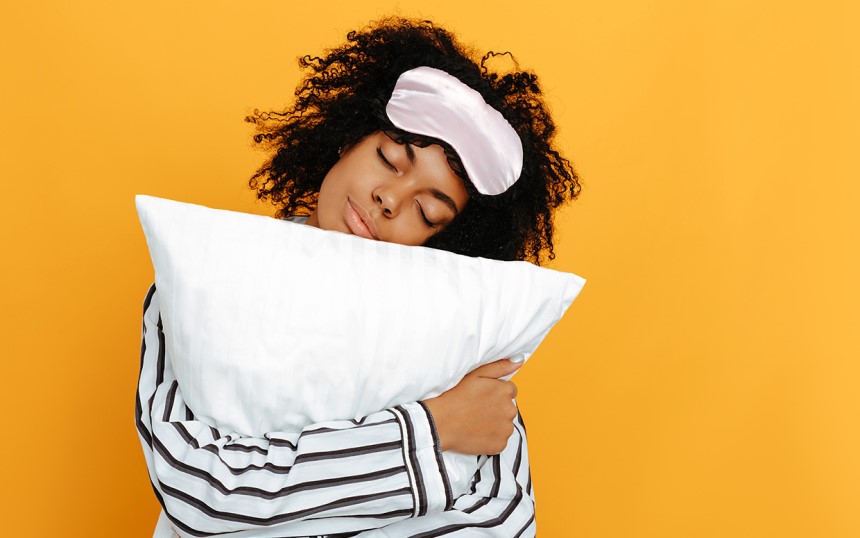
Tips for Reaching the “Sweet Spot”
To achieve the ideal 10-20 minute sleep onset, focus on these science-backed strategies for 2026:
- Establish a Consistent Schedule: Go to bed and wake up at the same time every day, even on weekends.
- Optimize Your Sleep Environment: Keep your bedroom cool, dark, and quiet. Consider using blackout curtains or a white noise machine.
- Practice a “Wind-Down” Routine: Dedicate 30 minutes before bed to screen-free activities like reading, light stretching, or meditation.
- Limit Stimulants: Avoid caffeine and heavy meals in the late afternoon and evening.
Conclusion: Listen to Your Body
Understanding how long it takes to fall asleep is about more than just checking a clock; it’s about listening to your body’s needs. If you land in that 10 to 20-minute window, you are likely on the right track. If you find yourself drifting off too quickly or struggling for hours, it’s time to audit your habits or consult a sleep specialist. Remember, quality sleep is the foundation of a healthy, productive life in 2026 and beyond.