
In our hyper-connected world of 2026, the glowing screen of a smartphone has become the final thing millions of people see before closing their eyes. However, the habit of “doomscrolling” into the late hours is actively sabotaging your sleep architecture. If you’ve ever wondered, “How long does it take to fall asleep without a phone?” the answer might surprise you—and potentially change your life.
The science is definitive: removing digital distractions significantly shortens sleep onset latency. By ditching your device, you aren’t just saving time; you are reclaiming your body’s natural biological rhythm.
The Science of Screen-Induced Insomnia
Research consistently demonstrates that phone use before bed is a primary driver of sleep onset delay. When you use your phone in bed, you aren’t just engaging your brain; you are fighting your own biology.
Blue Light and Melatonin Suppression
The blue light emitted by smartphone screens mimics daylight, tricking your brain into thinking it is still mid-afternoon. This suppresses melatonin production, the essential hormone that signals to your body that it is time to sleep. Without this chemical cue, your brain remains in an alert, active state.
The Arousal Effect
Beyond light, the content you consume on social media or news apps activates your brain’s arousal systems. Whether it’s an intense email or an engaging video, your nervous system interprets this stimulation as a reason to stay awake. Studies show that the average person delays sleep by 16 minutes simply due to pre-bed phone use.
Quantifying the Improvement: How Much Time Can You Save?
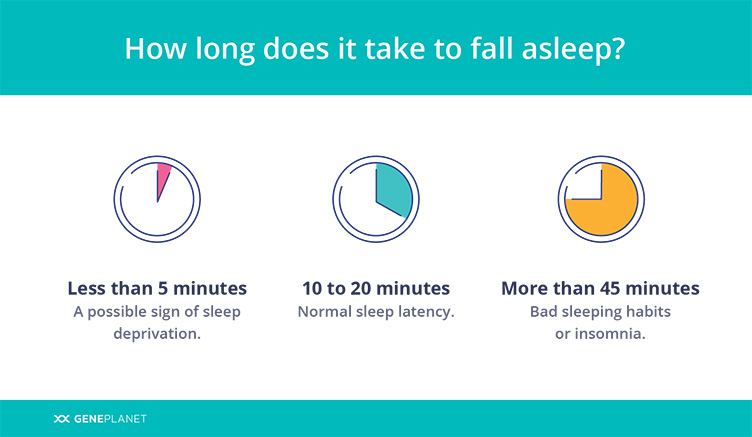
If you are wondering how long it takes to fall asleep without a phone, consider the quantitative data. Research indicates that smartphone use in bed increases the time it takes to drift off by a ratio of 80%.
If you usually take 30 minutes to fall asleep while browsing, removing the phone could theoretically cut that time down to roughly 10–15 minutes. By eliminating the “digital buffer” between you and your pillow, you allow your heart rate to drop and your mind to enter a state of restful transition much faster.
10 Effective Alternatives to Phone Use at Night
Ditching the device is easier said than done. To break the addiction, you need a replacement ritual. Here are 10 expert-approved ways to wind down in 2026:
- Read a Physical Book: Engage your imagination without the blue light.
- Practice Progressive Muscle Relaxation: Tense and release each muscle group to signal physical safety to your brain.
- Journaling: Write down your “to-do” list for tomorrow to offload mental clutter.
- Listen to Ambient Soundscapes: Use a dedicated white noise machine rather than your phone.
- Gentle Stretching: Perform light, low-impact yoga to release physical tension.
- Guided Meditation: Use an analog audio player or memorize a simple breathing technique.
- Sip Herbal Tea: A warm cup of chamomile or valerian root tea acts as a natural sedative.
- Prepare Your Environment: Spend those minutes organizing your space for the morning.
- Practice Deep Breathing: Use the 4-7-8 breathing method to lower your heart rate.
- Reflective Thinking: Spend a few minutes in the dark simply observing your thoughts without judgment.
Creating a Digital-Free Sanctuary
The goal is to move your phone out of the bedroom entirely. If you use your phone as an alarm clock, it is time to invest in a simple, analog alarm. By keeping the device in another room, you remove the temptation of late-night scrolling and eliminate the “just one more video” trap.
The 60-Minute Rule
For the best results, aim to disconnect 60 minutes before your target bedtime. This window allows your brain to transition from the high-stimulation environment of the digital world to the quiet, dark environment of sleep. You will find that your sleep quality improves significantly when the transition is gradual rather than abrupt.
Conclusion: The Path to Better Rest
In 2026, the most effective sleep aid isn’t a supplement or a high-tech gadget—it is the absence of technology. By understanding the impact of blue light and the psychological arousal caused by your device, you can take control of your sleep hygiene.
How long does it take to fall asleep without a phone? Typically, it takes much less time than you think. Once you break the cycle of digital dependence, you will likely find yourself drifting into deep, restorative sleep within 15 to 20 minutes of hitting the pillow. Start your digital detox tonight and experience the difference for yourself.