
In our fast-paced 2026 digital landscape, the “hustle culture” often treats sleep as an optional luxury. We push our bodies to the limit, fueled by caffeine and deadlines, wondering exactly when the wall will hit. But how long does it actually take to feel the crushing weight of exhaustion?
The reality is that your body begins to protest long before you realize you are struggling. While some claim they can “power through” on four hours of rest, the physiological truth is much more unforgiving. Understanding the timeline of sleep deprivation is essential for maintaining both your mental acuity and long-term physical health.
The Immediate Onset: The First 24 Hours
Most people assume they won’t feel truly “tired” until they hit the 24-hour mark. However, cognitive impairment begins much sooner. After just 16 to 18 hours of being awake, your brain starts to experience lapses in concentration.
By the time you reach the 24-hour milestone, the effects are equivalent to having a blood alcohol concentration (BAC) of 0.10%. At this stage, your coordination is shot, your judgment is impaired, and your reaction times are significantly delayed. You aren’t just “tired”; your brain is effectively functioning as if you are legally intoxicated.

The Escalation: What Happens After 24 Hours
Once you pass the 24-hour mark, your body shifts from “tired” to “chronically stressed.” Without sleep, your body struggles to regulate hormones, leading to spikes in cortisol and increased irritability.
- 24 Hours: Memory impairment and reduced ability to focus.
- 36 Hours: High levels of inflammatory markers in the blood; increased anxiety and mood swings.
- 48 Hours: The immune system begins to weaken. You may experience microsleeps—brief, involuntary episodes of sleep lasting a few seconds that occur without you even realizing it.
It is during this phase that the danger of driving or operating machinery becomes life-threatening. Your brain is desperately trying to force itself into a restorative state, and it will eventually bypass your conscious control to get it.
The Cumulative Impact of Chronic Sleep Deprivation
It is not just the “all-nighter” that causes damage. In 2026, chronic sleep deprivation remains a silent epidemic. Consistently getting less than the recommended seven to nine hours per night leads to a systemic breakdown of health.
When you don’t allow your body to complete its natural sleep cycles, you are essentially borrowing energy from the future. Studies show that acute sleep deprivation can lead to immediate mental lapses, but chronic patterns are linked to long-term issues like cardiovascular disease, obesity, and cognitive decline.
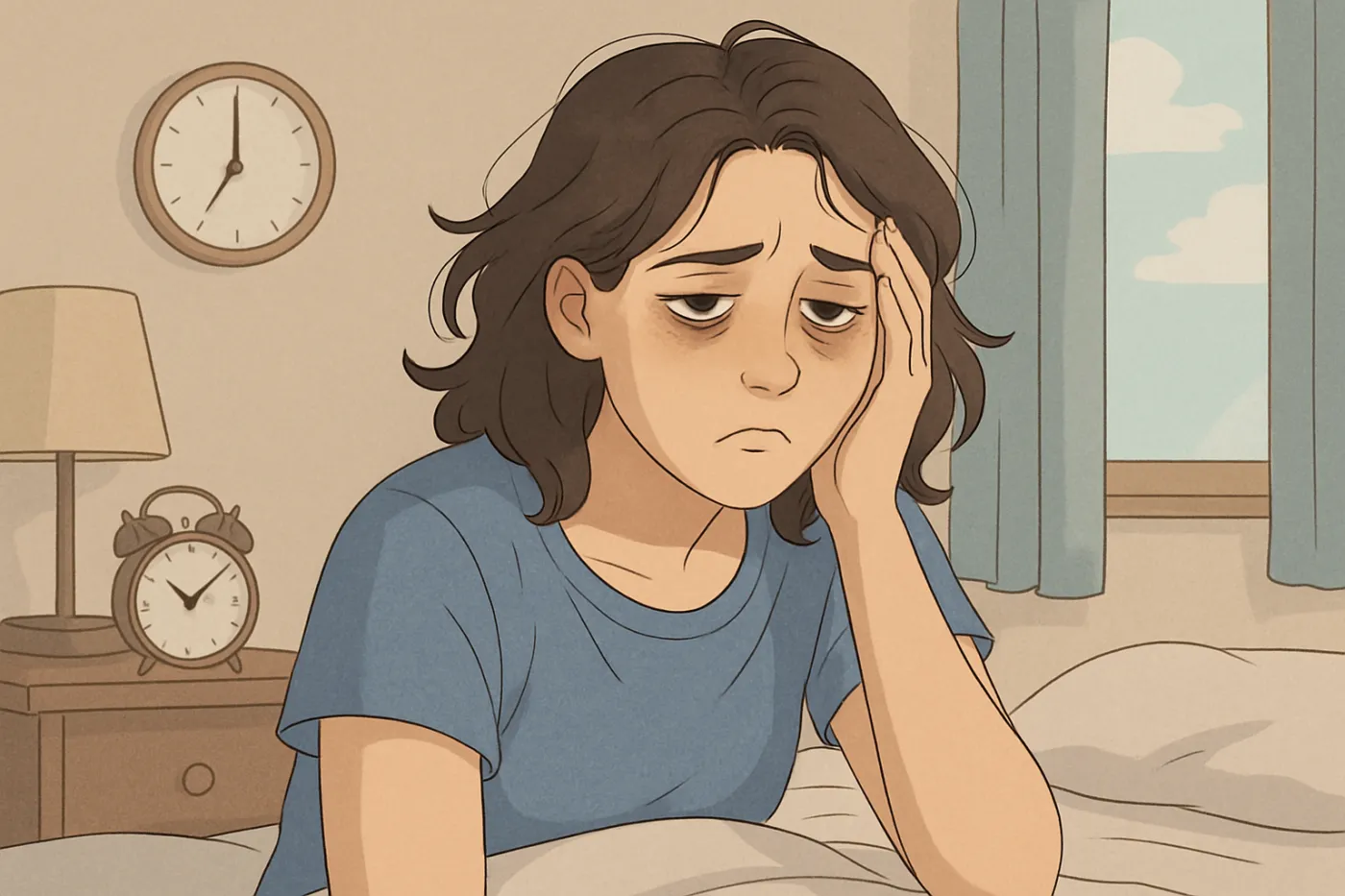
Can You “Catch Up” on Lost Sleep?
A common question in 2026 is whether a weekend of “catch-up sleep” can undo the damage of a sleep-deprived week. The answer is nuanced: while you can alleviate the immediate feeling of fatigue, the physiological recovery takes much longer.
Research suggests that total sleep loss of 24 hours may require over two days of recovery sleep to restore baseline cognitive function. If you have been sleep-deprived for weeks, the recovery process is not instantaneous. Your body requires a consistent schedule of restorative rest to repair the oxidative stress caused by prolonged wakefulness.
How to Manage Energy Levels Without Sacrificing Health
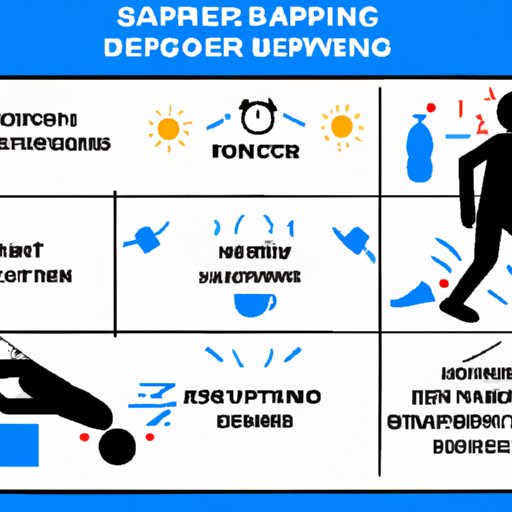
If you find yourself in a situation where you cannot get a full night’s sleep, prioritize sleep hygiene and strategic recovery. While there is no substitute for deep, restorative sleep, these strategies can help mitigate the crash:
- Strategic Napping: Keep naps to 20 minutes to avoid sleep inertia.
- Hydration and Nutrition: Avoid sugar crashes by eating complex carbohydrates and staying hydrated.
- Light Exposure: Use bright light in the morning to regulate your circadian rhythm.
- Prioritize Recovery: If you miss sleep, make the next night’s rest your absolute priority.
Conclusion: Respecting the Biological Clock
The question of “how long does it take to get tired” is ultimately a warning from your biology. By the time you feel the physical sensation of exhaustion, your cognitive and physical systems are already operating at a deficit. In 2026, the healthiest choice you can make is to prioritize the seven to nine hours of sleep your body demands. Do not treat sleep as a negotiable task; treat it as the foundation of your performance, health, and longevity.