
If you are starting a YouTube channel today, the question on your mind is likely: “How long until I see results?” In 2026, the creator economy is more competitive than ever, but the pathways to success are more data-driven and accessible. Gone are the days of “luck-based” viral hits; today, growth is a calculated blend of data analytics, high-retention storytelling, and strategic consistency.
While there is no single answer that fits every creator, most successful channels hit their first major milestones between 6 months and 3 years. Whether you are chasing your first 1,000 subscribers or aiming for full-time creator status, understanding the phases of growth is the key to staying motivated.
The Reality of the “Growth Timeline”
Success on YouTube is not a sprint; it is an endurance race. In 2026, the algorithm prioritizes audience satisfaction signals—like average percentage viewed and click-through rates (CTR)—over raw subscriber counts.
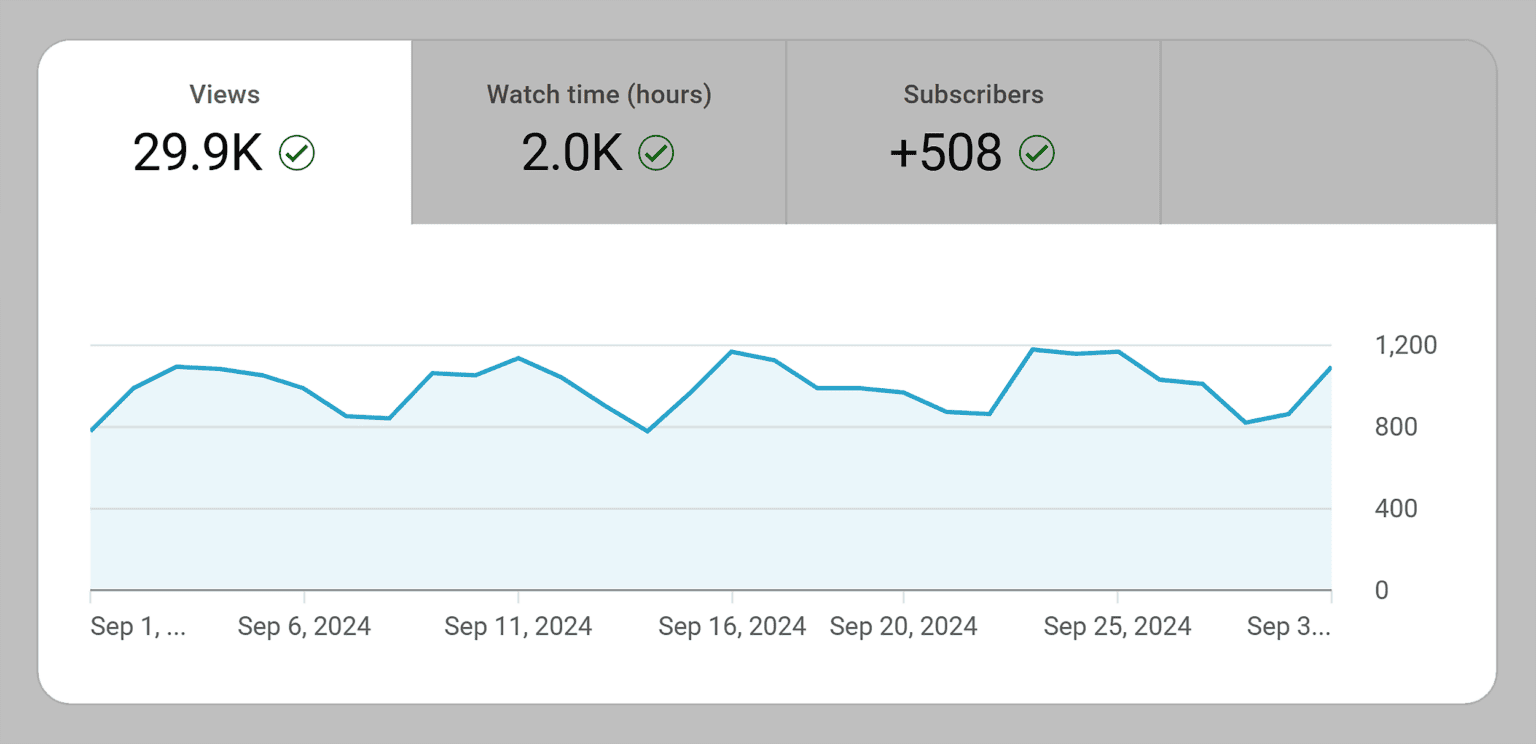
Most creators experience a “learning phase” during their first six months. During this time, your growth may feel stagnant. This is not a failure; it is the platform gathering data on who your ideal viewer is. Once the algorithm identifies your audience, you will transition from the “incubation period” to the “compounding phase.”
Phase 1: The Incubation Period (Months 0–6)
This is the most challenging phase for any new creator. You are essentially building a library of content that teaches the YouTube algorithm what your channel is about.
- Focus on Niche Authority: In 2026, generalist channels struggle. Pick a specific topic and become the go-to expert.
- Experimental Content: Use this time to test different thumbnail styles, pacing, and video lengths.
- The 50-Video Rule: Many experts suggest that your first 50 videos are just “practice.” Do not obsess over views; obsess over improving one element of your production with every upload.
Phase 2: The Traction Phase (Months 6–18)
By now, you should have enough data to see which videos are resonating. This is when you stop guessing and start doubling down on what works.
During this period, you will likely start seeing “spikes” in your analytics. This happens because YouTube has enough historical data to accurately recommend your content to the right people. You should focus on:
- Improving CTR: A/B testing your thumbnails and titles to grab attention.
- Retention Optimization: Reviewing your audience retention graphs to see where people drop off and cutting that “fluff” in future videos.
- Community Building: Engaging with every comment to turn casual viewers into loyal subscribers.
Phase 3: The Scaling Phase (18+ Months)
Once you hit this mark, your channel starts to become a compounding asset. Your older videos (evergreen content) continue to pull in views and subscribers while you work on new projects.
At this stage, success is no longer about “getting lucky”—it is about operational efficiency. You may start outsourcing editing, using AI tools for research, or diversifying your revenue streams through sponsorships and digital products.

Factors That Accelerate Your Growth
While the timeline is generally 6 months to 3 years, some channels grow significantly faster. How? They leverage specific levers:
- High-Intent Search Topics: Creating videos about problems people are actively searching for (SEO-driven content) is the fastest way to get discovered early on.
- Production Quality: While high-end gear isn’t required, great audio and crisp, clear editing are non-negotiable in 2026.
- Consistency vs. Frequency: Don’t burn out by posting daily. Pick a cadence you can sustain for two years—whether that is once a week or twice a month—and never miss a deadline.
- Content-Market Fit: The channels that grow the fastest are the ones that solve a specific problem or provide unique entertainment for a well-defined audience.
The “Success” Mindset for 2026
It is important to remember that YouTube success is not a single finish line. It is a series of accomplishments: your first 100 subscribers, your first 1,000, your first viral hit, and eventually, your first paycheck.
If you compare your “Day 1” to someone else’s “Year 5,” you will lose your motivation. Instead, focus on competing with your previous video. If your latest upload is slightly better than the one before it, you are winning. Growth is inevitable when you combine strategic content creation with the patience to let the algorithm do its job.
Stay the course, keep analyzing your data, and remember that the best time to start was yesterday—the second best time is today.