
In our hyper-connected world of 2026, the ability to maintain deep focus has become the ultimate competitive advantage. If you find yourself constantly battling digital distractions or “brain fog,” you aren’t alone. Many people wonder, “How long does it take to improve concentration?”
The short answer is that while you may notice minor improvements within a few days, significant, lasting changes to your cognitive stamina typically take several weeks to a few months of consistent practice. Think of your brain like a muscle: you cannot expect to run a marathon after one day at the gym. By committing to science-backed lifestyle changes, you can rewire your attention span and reclaim your productivity.
The Biology of Focus: Why Time Matters
Concentration is not a static trait; it is a dynamic process governed by neuroplasticity. This is your brain’s remarkable ability to reorganize itself by forming new neural connections. When you challenge your mind to focus, you are physically strengthening the pathways responsible for attention.
Because this process involves structural changes at a cellular level, it cannot be rushed. Research suggests that the brain requires time to adapt to new habits, such as meditation or improved sleep hygiene. By remaining patient and consistent, you are essentially training your prefrontal cortex—the area of the brain responsible for complex cognitive behavior and decision-making—to ignore external noise more effectively.
The Realistic Timeline for Cognitive Enhancement
If you are starting a new focus-training regimen today, what should you expect? Here is the general 2026 benchmark for cognitive improvement:
- Days 1–7 (The Awareness Phase): You will likely notice a reduction in “autopilot” behaviors. You’ll catch yourself reaching for your phone less frequently, though you won’t feel a massive jump in raw focus yet.
- Weeks 2–4 (The Habit Formation Phase): This is where the magic happens. Your brain begins to automate the focus-friendly habits you’ve implemented. You will likely find that you can sustain attention for 15–20 minutes longer than when you started.
- Months 2–3 (The Structural Change Phase): At this point, your improved concentration starts to feel like your “new normal.” You will experience fewer mental crashes and a greater ability to enter a “flow state” during complex tasks.
Science-Backed Pillars of Better Concentration
Improving your focus is not just about “trying harder.” It requires a holistic approach that targets the physical health of your brain. According to recent research, these are the most effective strategies to accelerate your progress:
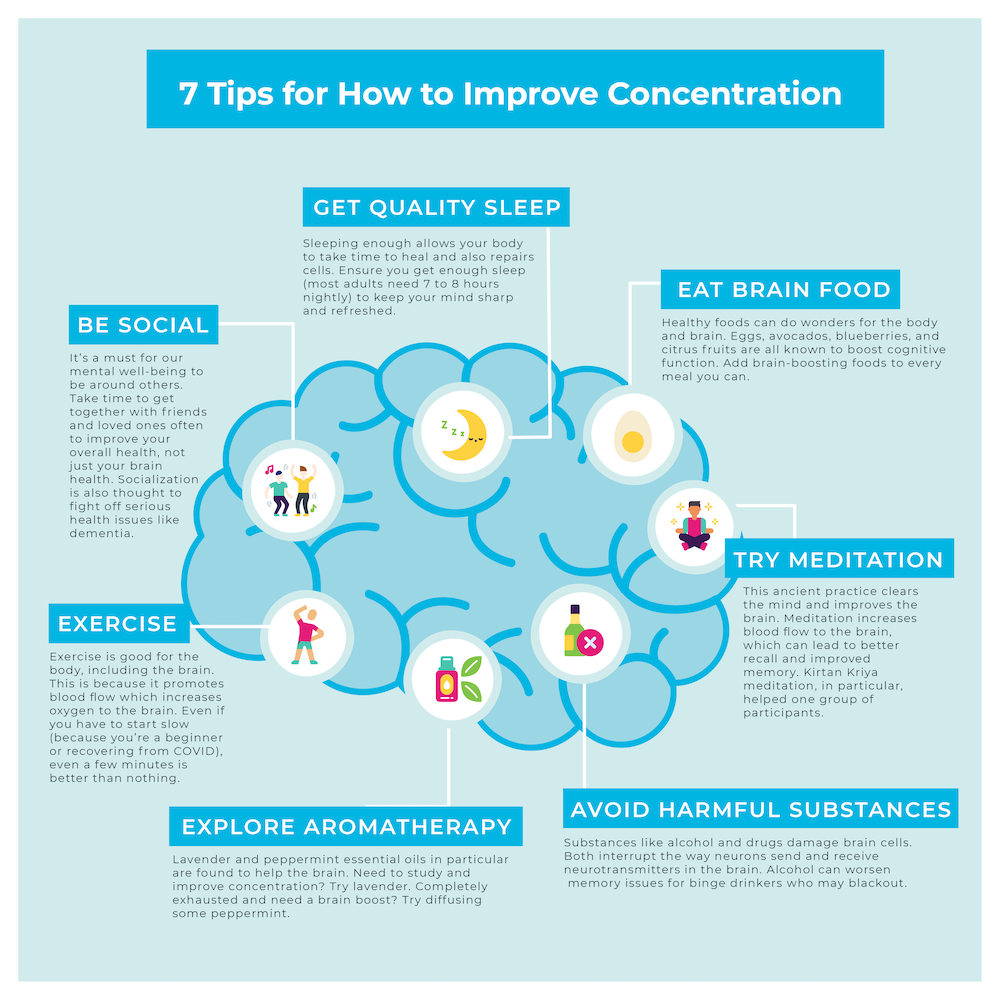
1. Optimize Your Sleep Hygiene
Sleep is when your brain clears out metabolic waste products that contribute to brain fog. To improve concentration, you must prioritize seven to eight hours of quality sleep every night. Without adequate rest, your cognitive function drops, making it nearly impossible to maintain deep focus the following day.
2. Embrace Mindfulness and Meditation
Mindfulness is essentially “weightlifting for your attention.” By practicing just 10–15 minutes of meditation daily, you train your brain to notice when it has wandered and gently bring it back to the task at hand. Over months, this practice significantly increases your sustained attention capacity.
3. Move Your Body
Physical exercise is one of the fastest ways to boost brain-derived neurotrophic factor (BDNF), a protein that supports the survival of existing neurons and encourages the growth of new ones. Even a brisk 20-minute walk can provide an immediate, albeit temporary, surge in alertness and focus.
Cognitive Training and Nature Exposure
In 2026, we have access to sophisticated brain training games and cognitive apps designed to stimulate specific areas of the brain. While these are useful, they should be paired with low-tech solutions.
Spending time in nature is proven to reduce mental fatigue. The “Attention Restoration Theory” suggests that natural environments provide a gentle, effortless focus that allows our directed-attention mechanism to recover. Whether it is a park visit or simply keeping plants in your workspace, nature is a potent tool for sharpening your mind.
Overcoming the “Distraction Trap”
Consistency is the greatest enemy of the distracted mind. If you slip up and spend three hours scrolling through social media, don’t abandon your progress. The key is to reset immediately.
To maintain momentum:
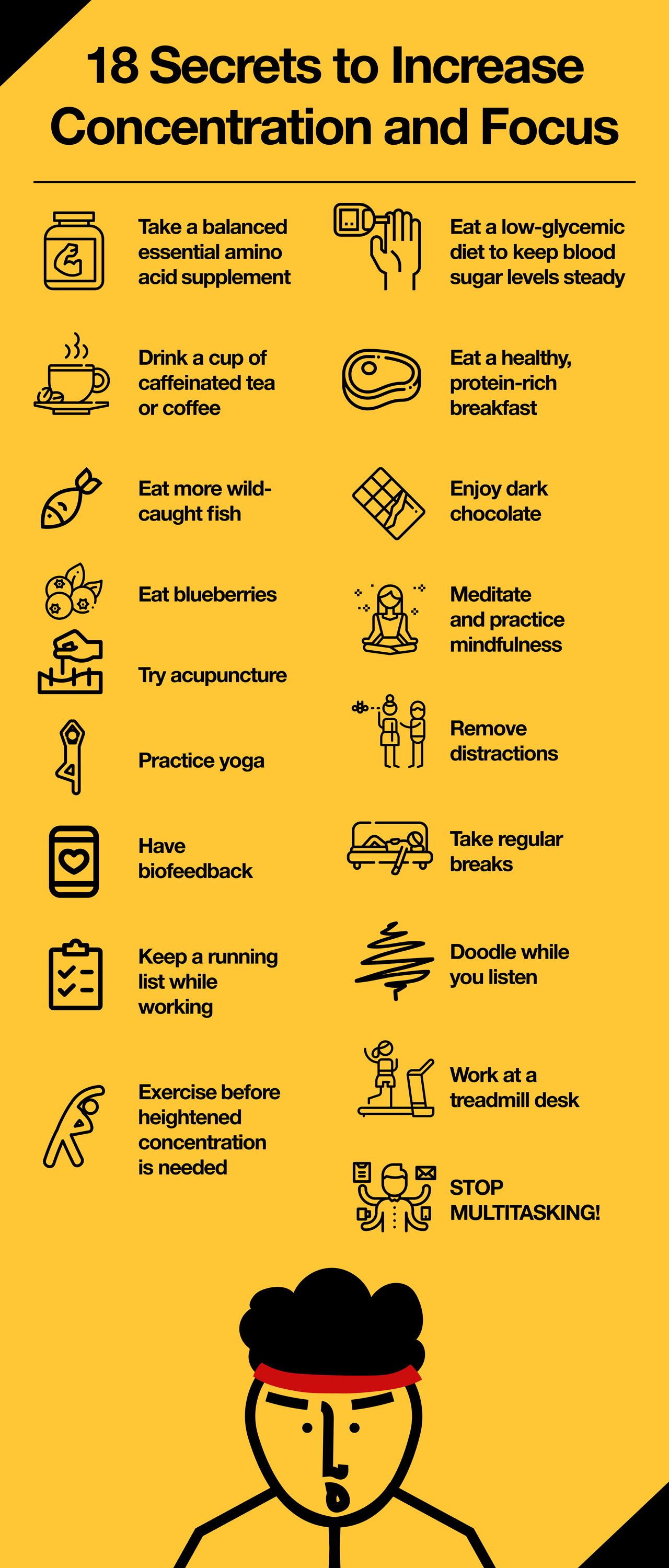
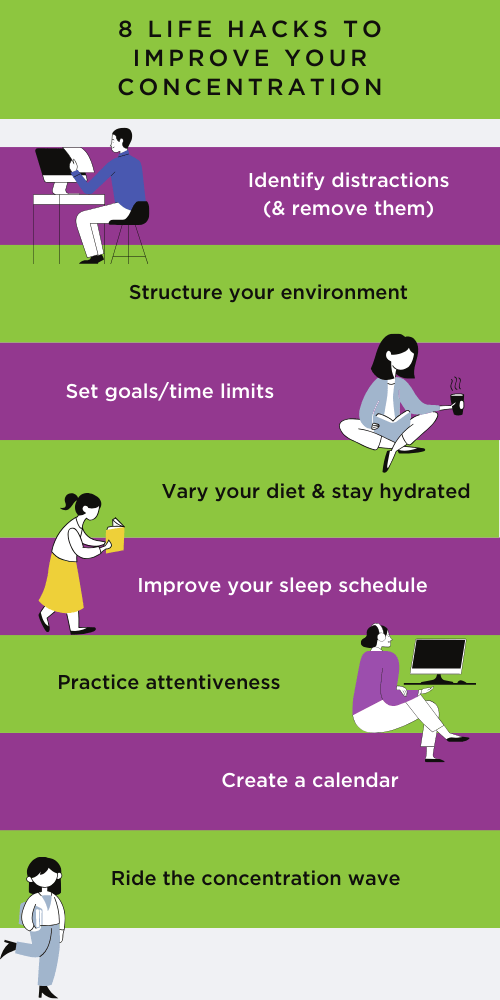
- Use the Pomodoro Technique: Work in 25-minute intervals followed by 5-minute breaks.
- Clear your environment: A cluttered desk often leads to a cluttered mind.
- Single-task: Multitasking is a myth that fragments your attention and lowers your IQ during the task.
Conclusion: Patience is Your Best Strategy
So, how long does it take to improve concentration? While you can see improvements in your daily workflow within a few weeks, true mastery of your attention span is a lifelong journey. By focusing on sleep, exercise, mindfulness, and healthy work habits, you are building a foundation that will serve you throughout 2026 and beyond.
Don’t look for a “quick fix” supplement or a magic app. Instead, commit to the process. When you treat your focus as a finite, precious resource, you will find that your ability to concentrate grows stronger with every passing week. Start today, stay consistent, and watch your productivity soar.