
In an era defined by rapid information intake and constant digital distractions, many of us find ourselves asking the same question: Is my brain losing its edge? Whether you are a student preparing for exams or a professional navigating a complex career, the desire for a “sharper mind” is universal. But the most common question remains: How long does it take to improve memory?
The short answer is that while you can experience immediate cognitive boosts through focus techniques, meaningful structural changes to your memory capacity typically take four to eight weeks of consistent practice. By 2026, neuroscientific research has solidified our understanding that the brain remains neuroplastic at any age. This means you aren’t just stuck with the memory you have—you can actively build a better one.

The Science of Memory: Why Timing Varies
Understanding how long it takes to improve memory requires looking at the complexity of the information you are trying to retain. Memory is not a single muscle; it is a complex network of biological processes involving encoding, storage, and retrieval.
Factors Influencing Your Progress
- Complexity of Information: Memorizing a grocery list takes minutes; mastering a new language can take months of dedicated effort.
- Individual Cognitive Baseline: Your current sleep quality, stress levels, and nutritional status significantly impact the speed of your cognitive gains.
- Repetition and Spacing: The spacing effect—distributing your learning over time—is scientifically proven to be more effective than cramming.
The Roadmap: A 4-Stage Timeline for Memory Improvement
If you commit to a brain-health routine, you will likely notice a progression in your cognitive performance. Here is what the typical timeline looks like in 2026:
Stage 1: The Immediate Adjustment (Days 1–7)
During the first week, you won’t necessarily “grow” new brain cells, but you will optimize your working memory. By improving hydration, reducing digital overload, and getting seven to nine hours of sleep, you clear the “mental fog” that prevents efficient recall.
Stage 2: Establishing New Habits (Weeks 2–4)
This is when you begin to implement specific techniques like mnemonics, the Method of Loci (Memory Palace), and active recall. Your brain begins to build more efficient neural pathways for accessing information. You will notice that you are “losing” your keys less often and remembering names more easily.
Stage 3: The Neuroplasticity Phase (Weeks 4–8)
Research indicates that sustained mental stimulation leads to measurable changes in brain structure. By the two-month mark, you are likely to experience sustained concentration and a higher capacity for long-term retention.
Stage 4: Long-Term Maintenance (Ongoing)
Once you reach the two-month milestone, the goal shifts from “improving” to “protecting.” Regular brain exercise, such as learning a new skill or playing strategy games, ensures that your cognitive function remains high as you age.
Evidence-Based Strategies to Speed Up Results
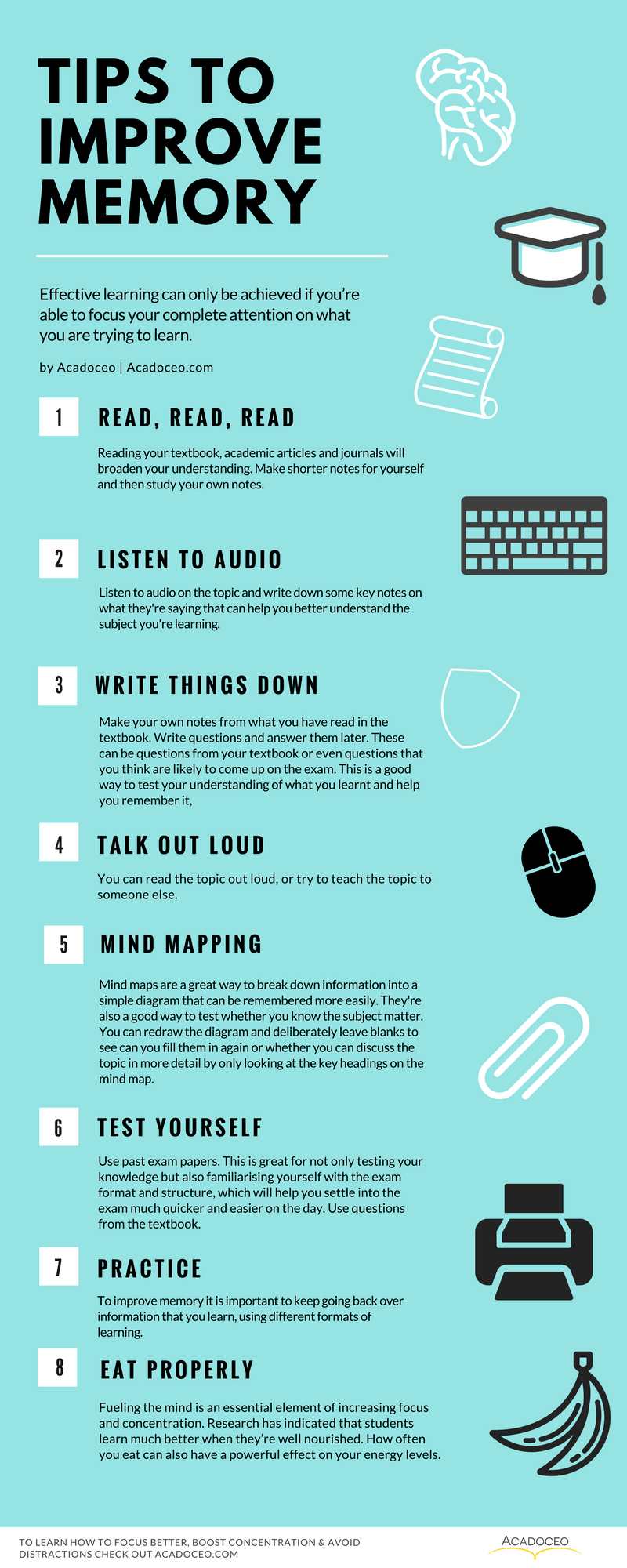
If you want to maximize your memory power, you must adopt a multi-pronged approach. Relying on one “brain game” app is rarely enough. Instead, integrate these evidence-based habits into your daily life:
- Prioritize Sleep Architecture: Sleep is when the brain consolidates memories. If you are sleep-deprived, your brain cannot “save” what you have learned during the day.
- Use Active Recall: Stop re-reading your notes. Instead, test yourself. The act of struggling to retrieve information is exactly what strengthens the memory trace.
- Physical Exercise: Aerobic exercise increases blood flow to the hippocampus, the area of the brain responsible for memory formation. Even a brisk 20-minute walk can provide an immediate boost.
- Mindful Nutrition: A diet rich in Omega-3 fatty acids, antioxidants, and low-glycemic carbohydrates supports the structural integrity of your neurons.

Common Pitfalls: What Slows Down Progress?
Many people fail to see results because they ignore the lifestyle factors that actively degrade memory. Chronic stress is the number one enemy of recall. When you are stressed, your body releases cortisol, which can effectively “block” the hippocampus, making it nearly impossible to retain new information.
Additionally, multitasking is a myth. When you switch between tasks, your brain experiences “context switching costs,” which fracture your attention span and hinder the encoding process. To improve your memory, practice single-tasking for at least 30 minutes a day.
Conclusion: Consistency is the Key
So, how long does it take to improve memory? While you can improve your focus in a single day, achieving a significant, lasting upgrade to your memory capacity is a marathon, not a sprint. By dedicating yourself to a consistent regimen of sleep, exercise, and active learning techniques, you can expect to see meaningful improvements within four to eight weeks.
In 2026, the tools for cognitive enhancement are more accessible than ever. Whether you are aiming to learn a new skill or simply wanting to keep your mind sharp as you age, remember that your brain is an organ that thrives on challenge and rest. Start today, stay consistent, and watch your cognitive potential expand.