
Launching a brand-new website is an exhilarating milestone, but the silence that follows the “Publish” button can be deafening. If you are staring at your analytics dashboard, wondering when your traffic will finally start to climb, you aren’t alone. In the digital landscape of 2026, Google’s algorithms are more sophisticated than ever, prioritizing user intent, topical authority, and technical excellence.
So, what is the realistic timeline for success? While there is no “magic date,” industry benchmarks suggest that meaningful ranking improvements typically manifest in the 4 to 12-month range. Understanding the variables that influence this timeline is the first step toward moving from invisible to influential.

The Reality Check: Why New Sites Face a “Sandbox” Period
Many SEO experts refer to the initial phase of a new domain as the “Google Sandbox.” While Google officially denies the existence of a formal penalty, new websites often experience a period of restricted visibility. This is essentially Google’s way of verifying that your site is trustworthy, secure, and providing genuine value to users.
During these first few months, your primary goal isn’t necessarily ranking #1 for high-volume keywords. Instead, focus on getting indexed and building a foundation. Without a consistent SEO strategy, a site might take months just to appear in search results for branded terms.
Key Factors Influencing Your Ranking Speed
Your ranking journey isn’t just about time; it’s about the velocity of your optimization efforts. Several critical factors determine whether you climb the rankings in four months or struggle for an entire year.
1. Keyword Difficulty and Competition
If you are targeting “best CRM software” as a brand-new site, you are competing against giants with decades of domain authority. Conversely, if you target long-tail, low-competition keywords, you can begin to see traffic within weeks. Choosing the right battles is the secret to early success.
2. Content Quality and Topical Authority
In 2026, Google rewards E-E-A-T (Experience, Expertise, Authoritativeness, and Trustworthiness). A thin, AI-generated blog post won’t cut it. To rank, you need to cover topics comprehensively. Creating a cluster of high-quality articles around a specific niche helps Google view your site as an authority.
3. Technical SEO Health
A site that is slow, non-responsive, or plagued with broken links will be penalized by Google’s Core Web Vitals. Ensure your site architecture is logical and that your pages load in under two seconds. If your technical foundation is shaky, you are essentially trying to build a skyscraper on quicksand.
The Realistic Timeline: What to Expect
While every niche is different, here is a general roadmap for a new website in 2026:
- Months 1–3 (The Crawl Phase): Focus on technical setup, XML sitemap submission, and indexing. You will likely see impressions for branded search terms, but very little organic traffic.
- Months 4–6 (The Traction Phase): If your content strategy is consistent, you will start ranking for long-tail keywords. This is where you see your first “real” traffic spikes.
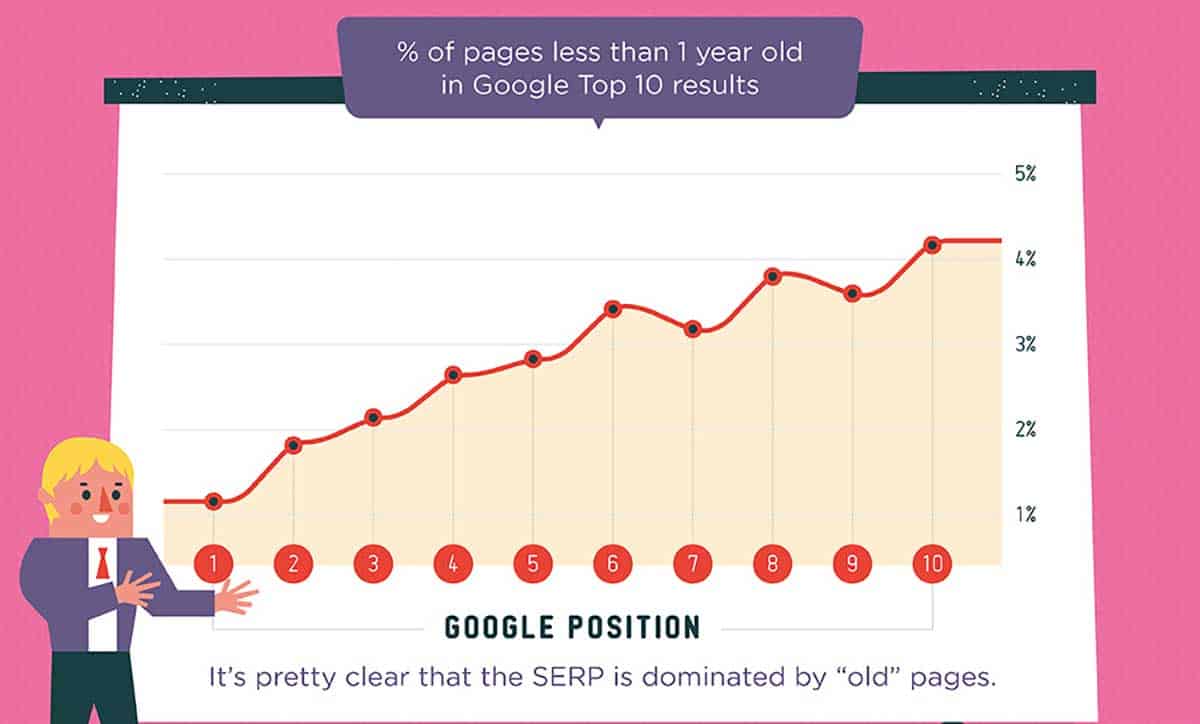
- Months 6–12 (The Authority Phase): With consistent backlink acquisition and ongoing content updates, your site begins to compete for broader, higher-volume terms. This is when the compounding effect of SEO truly kicks in.
Common Pitfalls That Delay Rankings
Many webmasters inadvertently sabotage their own progress. Avoiding these common mistakes can shave months off your waiting time:
- Buying Low-Quality Backlinks: Google’s algorithms are highly adept at identifying spammy link-building schemes. Stick to white-hat link-building and earn your authority through quality.
- Ignoring User Experience (UX): If users bounce from your site immediately, Google takes note. High bounce rates signal that your content isn’t meeting user intent.
- Inconsistency: Posting ten articles in one week and then nothing for three months is a recipe for stagnation. A consistent content calendar is far more effective than sporadic bursts of activity.
Conclusion: Patience Meets Strategy
Ranking a new website on Google is a marathon, not a sprint. While it can be frustrating to wait for the results you deserve, the long-term rewards of organic search traffic are unmatched by any paid advertising channel.
By focusing on high-quality content, technical precision, and a realistic timeframe of 4 to 12 months, you can build a digital asset that stands the test of time. Keep your eyes on the data, refine your strategy based on user feedback, and remember that in the world of SEO, persistence is the ultimate competitive advantage.