
In 2026, the pursuit of personal wellness has never been more accessible. Whether you are using the latest wearable fitness tracker or simply counting steps on your smartphone, the 10,000-step goal remains the gold standard for daily activity. But have you ever wondered exactly how much time you need to carve out of your busy schedule to hit that magic number?
While the number 10,000 has become synonymous with health, the time required to achieve it varies significantly from person to person. Understanding the variables involved will help you integrate this healthy habit into your lifestyle more effectively.

The Average Timeframe: What to Expect
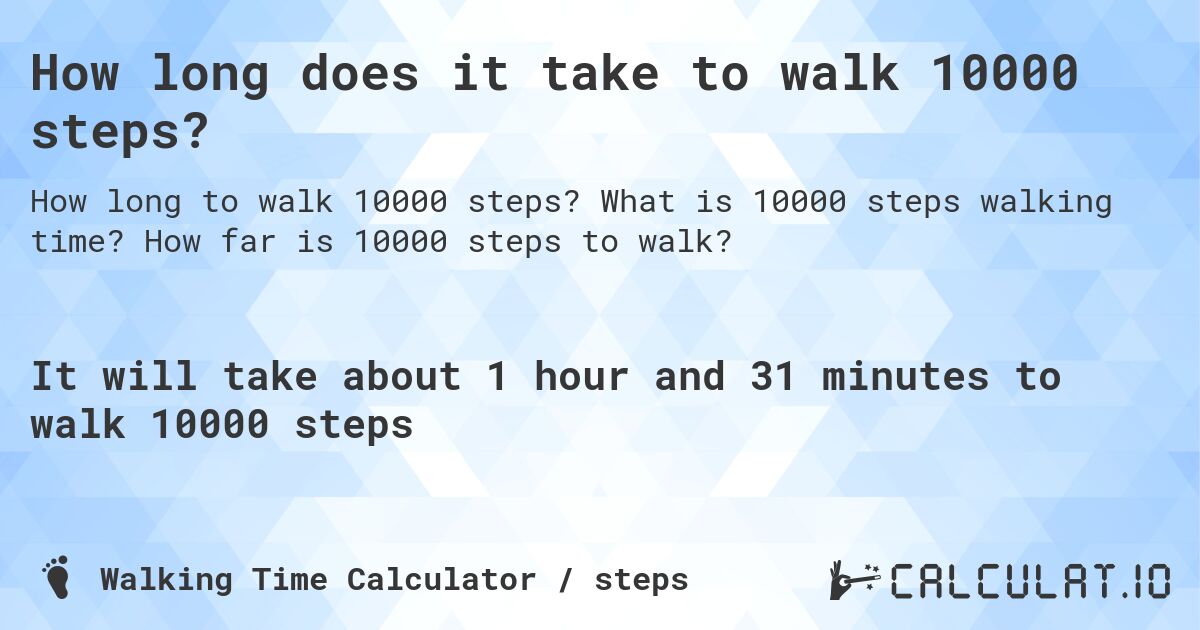
On average, most people find that it takes between 1.5 to 2 hours to walk 10,000 steps. However, this is a general estimate. Depending on your walking pace, fitness level, and terrain, you could finish in as little as one hour or take as long as two and a half hours.
If you are a brisk walker, you will naturally hit your goal faster. Conversely, a leisurely stroll through the park will require more time to accumulate the same number of steps.
Key Factors That Influence Your Walking Time
Several biological and environmental factors determine how long it takes to reach your daily step goal. It is not just about effort; it is about your unique biomechanics.
1. Stride Length and Height
Your height plays a massive role in your step count. Generally, individuals with shorter legs will naturally take more steps to cover the same distance as someone with longer legs. Consequently, shorter people might actually reach 10,000 steps faster in terms of distance, but they may need to take more steps per mile to do so.
2. Walking Speed
Your pace is the most controllable variable. A moderate pace is typically around 3 miles per hour (mph). If you increase your intensity to a brisk walk—roughly 4 mph—you will cover your 10,000 steps significantly faster.
3. Terrain and Incline
Walking on a flat treadmill or a paved sidewalk is very different from hiking on uneven trails. Walking uphill or on sand requires more effort and often results in a slower pace, which increases the total time spent walking.
The Benefits of Hitting 10,000 Steps
Why do we keep pushing for this specific milestone in 2026? The research remains consistent: consistent movement is one of the best things you can do for your body.
- Improved Mood: Regular walking is proven to reduce symptoms of anxiety and depression by releasing endorphins.
- Enhanced Memory: Physical activity improves blood flow to the brain, supporting long-term cognitive health.
- Weight Management: Walking 10,000 steps daily is an excellent way to maintain a caloric deficit or support metabolic health.
- Heart Health: Consistent aerobic movement strengthens your cardiovascular system, lowering the risk of chronic disease.

How to Integrate 10,000 Steps into a Busy Schedule
You do not have to walk for two hours straight to reap the benefits. In fact, many experts suggest that breaking up your steps throughout the day is just as effective. Here is how to make it happen:
- Morning Mile: Start your day with a 20-minute brisk walk. This accounts for roughly 2,000–2,500 steps.
- Lunch Break Movement: Use 15 minutes of your lunch break to walk around your office building or local park.
- Take the Long Way: Opt for the stairs instead of the elevator, or park further away from the entrance at the grocery store.
- Evening Wind-Down: A 30-minute walk after dinner helps with digestion and gets you closer to your final goal.
Using Technology to Track Your Progress
In 2026, we have more tools than ever to track our fitness. Using a walking time calculator can help you plan your day. By inputting your average stride length and speed, these tools provide a precise estimate of how long you need to walk to hit 10,000 steps.
Don’t get discouraged if you don’t hit 10,000 every single day. The goal is consistency over time. Even if you only reach 7,000 or 8,000 steps, you are still significantly improving your health compared to a sedentary lifestyle.
Conclusion
So, how long does it take to walk 10,000 steps? While the average is 1.5 to 2 hours, remember that your personal journey is unique. Whether you walk at a brisk pace or take it slow, the most important factor is simply moving your body.
By understanding your own stride and incorporating short, frequent walks into your daily routine, you can easily hit this milestone. Stay consistent, track your progress, and enjoy the physical and mental rewards that come with every step you take in 2026.