
In the fast-paced world of 2026, time is our most valuable commodity. Whether you are balancing a hybrid work schedule or managing a busy household, knowing exactly how long it takes to wash clothes is essential for a seamless daily routine. Laundry technology has evolved significantly over the last few years, introducing AI-driven cycles and hyper-efficient motors that have changed the “standard” wait time.
Generally, a standard wash cycle in 2026 takes anywhere from 15 minutes to 2 hours. However, the specific duration depends on your machine type, the fabric’s soil level, and the cycle settings you choose. In this comprehensive guide, we will break down everything you need to know about washing machine durations to help you master your laundry day.
<img alt="How Long Does A Washing Machine Take To Wash Laundry?" src="https://images.prismic.io/smol/Z0hsrpbqstJ973Qvcyclesoftimeblog_header.jpg?auto=format,compress&rect=0,52,910,478&w=2400&h=1260″ style=”max-width:100%; height:auto; border-radius:8px; margin: 1rem 0;” />
The Quick Breakdown: Average Cycle Times
If you are looking for a “rule of thumb,” most modern high-efficiency (HE) machines follow these timeframes:
- Quick Wash / Express: 15 – 30 minutes.
- Normal / Cotton Cycle: 45 – 60 minutes.
- Heavy Duty / Bulky: 90 – 120 minutes.
- Delicates / Hand Wash: 30 – 45 minutes.
- Sanitize / Steam Cycle: 90 – 150 minutes.
While these are averages, the AI sensors found in 2026 models can adjust these times in real-time based on the weight of the load and the turbidity (cloudiness) of the water.
Factors That Influence Your Washing Machine’s Speed
Several variables dictate whether your laundry will be done in a flash or take the entire afternoon. Understanding these factors allows you to optimize your settings for speed without sacrificing cleanliness.
1. Load Size and Weight
Modern machines use load-sensing technology. If you overfill the drum, the machine may add extra time to ensure water reaches every fiber. Conversely, a small load of just three or four items will trigger a shorter cycle to save energy and water.
2. Soil Level Settings
In 2026, “soil level” isn’t just a button; it’s a precision tool. Selecting “Heavy Soil” adds extra agitation and rinsing time, often increasing the cycle by 15 to 20 minutes. If your clothes are only lightly worn, choosing the “Light Soil” setting is the fastest way to get them back in your closet.
3. Water Temperature
Heating water takes time. If you select a Sanitize or Hot cycle, the machine must wait for the internal heater to reach the desired temperature before the wash officially begins. Cold water washes are generally faster because they skip the heating phase entirely.
Front-Load vs. Top-Load: Which is Faster?
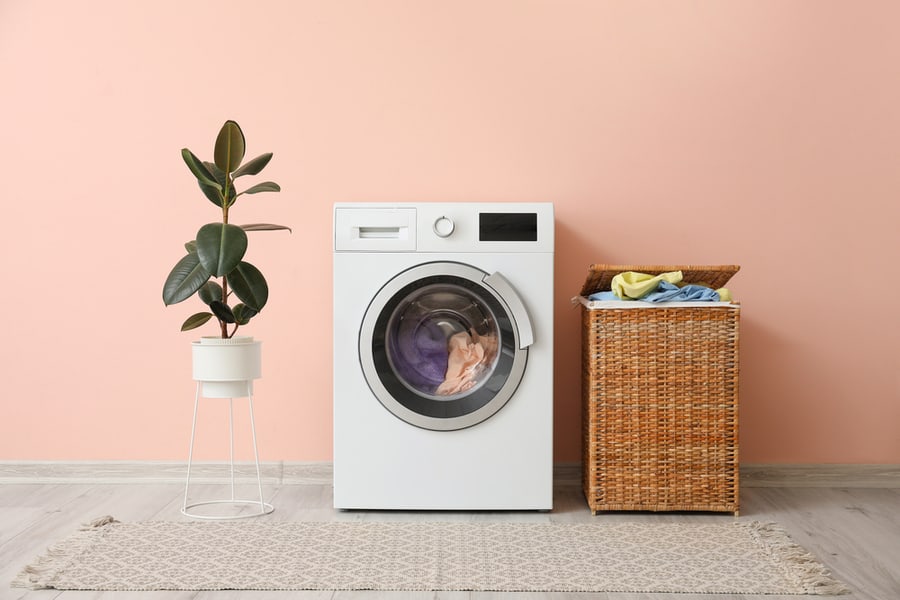
The debate between front-loaders and top-loaders continues in 2026, but the “time” factor has a clear winner depending on your priorities.
Top-Load Washing Machines
Top-loaders are traditionally faster. Because they use more water and allow the clothes to move more freely, a standard cycle usually wraps up in 35 to 50 minutes. High-efficiency top-loaders take slightly longer but are still generally quicker than their front-loading counterparts.
Front-Load Washing Machines
Front-loaders are known for their superior cleaning and water conservation. However, they typically take longer—averaging 60 to 90 minutes for a normal load. The tumbling action is gentler on clothes but requires more time to achieve the same level of cleanliness as a top-loader’s agitator.
The Rise of AI and Smart Cycles in 2026
The biggest change in 2026 is the integration of Generative AI in home appliances. Today’s washing machines don’t just follow a timer; they “think.”
Smart machines now feature Optical Soil Sensors that analyze the rinse water. If the sensors detect that the water is clear of soap and dirt before the timer hits zero, the machine will automatically end the cycle early. This “Adaptive Timing” can shave 10 to 15 minutes off a standard wash, making your laundry routine more efficient than ever before.
Why Is My Washing Machine Taking Longer Than Usual?
Sometimes, you might notice the timer on your machine “sticking” at one minute for a long time. This is usually due to one of the following issues:
- Unbalanced Load: If you are washing a single heavy rug or a large comforter, the machine may struggle to balance the drum for the final spin. It will slow down and try to redistribute the weight, adding significant time.
- Low Water Pressure: If your home’s water pressure is low, the filling phases will take much longer, extending the overall cycle.
- Oversudsing: Using too much detergent (especially non-HE detergent in an HE machine) creates excess foam. The machine must perform extra rinses to clear the suds, which can add 20+ minutes to the wash.
Tips to Speed Up Your Laundry Routine
If you are in a rush, follow these 2026-approved tips to get your clothes clean in record time:
- Use the “Quick Wash” Setting: Ideal for 2-3 lbs of lightly soiled clothes. This is perfect for gym wear or a last-minute outfit change.
- Pre-Treat Stains: Instead of using a “Heavy Duty” cycle for one stain, pre-treat it manually. This allows you to use a “Normal” or “Light” cycle instead.
- Choose High Spin Speeds: While this doesn’t shorten the wash time, it extracts more water, significantly reducing the time your clothes need to spend in the dryer.
- Maintain Your Machine: Regularly clean your filters. A clogged drain pump can make the draining phase take twice as long.
Conclusion: Planning Your 2026 Laundry Day
Understanding how long it takes to wash clothes allows you to schedule your day with precision. While the average wash takes about an hour, the flexibility of modern 2026 appliances means you can choose between a 15-minute refresh and a deep 2-hour sanitize.
By leveraging AI features, choosing the right cycle for the soil level, and avoiding common mistakes like overloading, you can ensure your clothes stay fresh without wasting a single minute. Laundry may be a chore, but with today’s technology, it’s faster and smarter than ever before.