
Struggling to drift off is a universal frustration. Whether you are dealing with occasional sleeplessness or chronic insomnia, the burning question remains: How long does a sleeping pill take to work? As we navigate 2026, understanding the timing of sleep aids is crucial for optimizing your rest and avoiding morning grogginess.
Generally, most sleep aids—both prescription and over-the-counter (OTC)—begin to take effect within 20 to 60 minutes. However, this timeframe is not one-size-fits-all. Factors like your metabolism, the specific medication, and what you ate for dinner can drastically influence the onset of sleep.

The Science of Sleep Onset: Why Timing Matters
When you take a pill for insomnia, your body must absorb the active ingredients through your digestive system, transport them to the bloodstream, and eventually cross the blood-brain barrier. This process dictates the onset time—the duration between taking the pill and feeling the sedative effects.
Fast-Acting vs. Slow-Release Medications
Not all sleep aids are created equal. Prescription medications, such as Z-drugs or dual orexin receptor antagonists, are engineered for rapid absorption to help you fall asleep quickly. Conversely, some OTC supplements or extended-release formulas are designed to mimic natural sleep cycles, which may take longer to kick in.
Common Sleep Aids and Their Onset Times
Understanding the “wait time” for your specific medication is the secret to effective sleep hygiene. Here is a breakdown of what you can expect in 2026:
- Prescription Sedatives: These are typically the fastest, often inducing drowsiness in as little as 15 to 30 minutes.
- Over-the-Counter (OTC) Antihistamines: Medications like diphenhydramine generally take 30 to 60 minutes to start working.
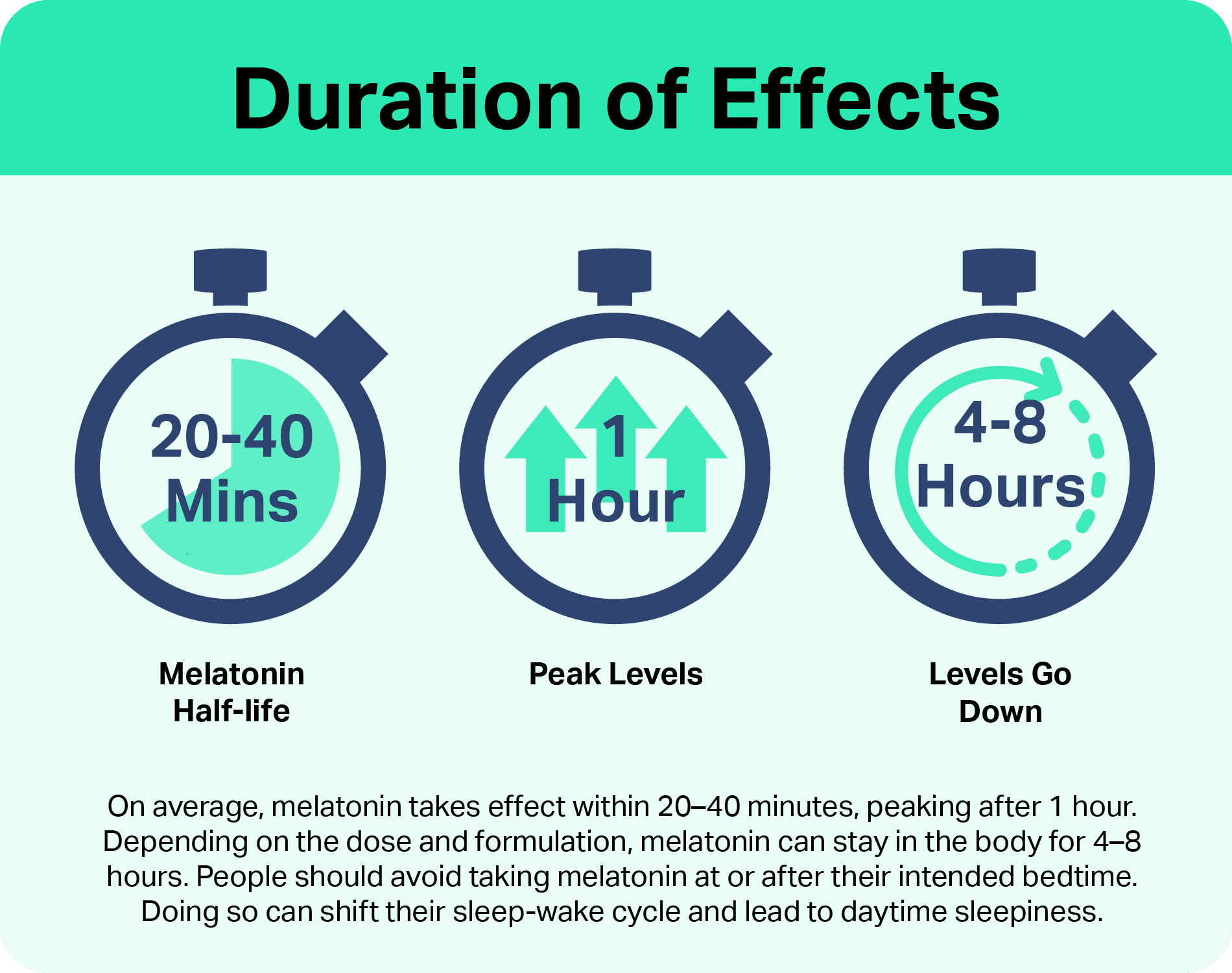
- Natural Supplements (Melatonin): Melatonin is not a sedative in the traditional sense; it is a hormone. It usually takes 30 to 60 minutes to signal to your brain that it is time to wind down.
<img alt="How Long Does It Take For the Pill to Work? | POPSUGAR Fitness" src="https://media1.popsugar-assets.com/files/thumbor/kd5s0VFx4lPmcZ4JWeHEDiE5ib0/0x600:6000×3600/fit-in/728xorig/filters:formatauto-!!-:stripicc-!!-/2019/07/04/968/n/1922729/3d8560d05d1e7a6c731952.93872181_.jpg” style=”max-width:100%; height:auto; border-radius:8px; margin: 1rem 0;” />
Factors That Influence How Fast Pills Work
Why does your partner fall asleep 20 minutes after taking a pill while you are still staring at the ceiling? Several individual factors play a significant role:
1. Metabolic Rate and Body Composition
Your metabolism determines how quickly your liver processes the medication. Individuals with faster metabolic rates may feel the effects sooner, but the medication might also leave their system faster. Conversely, body mass and fat distribution can impact how long a drug stays in your system.
2. The “Full Stomach” Effect
Taking a sleeping pill with a heavy, high-fat meal can significantly delay its absorption. The digestive process takes longer, slowing down the time it takes for the active ingredients to reach your bloodstream. For the best results, doctors recommend taking sleep aids on an empty stomach or at least two hours after your last meal.
3. Alcohol and Interaction Risks
In 2026, medical professionals continue to warn against mixing sleep aids with alcohol. Alcohol acts as a central nervous system depressant. When combined with sleep medication, it can lead to dangerous side effects, including suppressed breathing and extreme next-day impairment.
Duration vs. Onset: Understanding Half-Life
While knowing how long it takes to work is important, you should also consider the half-life—the time it takes for the concentration of the drug in your body to be reduced by half. If a pill has a long half-life, you might wake up feeling groggy or “hungover” the next morning. Always discuss the duration of action with your healthcare provider to ensure you have enough time for a full 7-8 hours of sleep.
When to Consult a Specialist
If you find that you are consistently taking pills and waiting over an hour without success, it is time to consult a doctor. Persistent insomnia can be a symptom of underlying issues like sleep apnea, anxiety, or restless leg syndrome. Relying solely on medication without addressing the root cause may lead to dependency or tolerance.
Tips for Success in 2026
- Consistency is Key: Take your sleep aid at the same time every night to help regulate your circadian rhythm.
- Optimize Your Environment: Ensure your bedroom is cool, dark, and quiet.
- Limit Screen Time: Blue light from smartphones and computers inhibits melatonin production, working against the pill you just took.
Final Thoughts: Finding Your Rhythm
While sleep aids are effective tools, they work best when combined with healthy lifestyle habits. Remember that “how long a sleeping pill takes to work” is subjective and dependent on your body’s unique chemistry. By understanding these timelines and consulting with a medical professional, you can take control of your sleep hygiene and enjoy more restful nights in 2026.