
In 2026, the pace of the professional landscape has accelerated, making the feeling of being overwhelmed a common byproduct of the modern workday. Between the constant influx of AI-assisted communications and the pressure to remain hyper-productive, managing your schedule is no longer just a soft skill—it is a survival mechanism. If you find yourself drowning in tasks, it is time to pivot from reactive firefighting to intentional time management.
Mastering your schedule requires more than just a digital calendar; it requires a fundamental shift in how you perceive your energy and priorities. By implementing expert-tested strategies, you can reclaim your day and reduce the mental friction that leads to burnout.
Why 2026 Demands a New Approach to Time Management
The tools we used five years ago are no longer sufficient to handle the complexity of today’s workflows. As we navigate the mid-2020s, the best time management techniques for 2026 emphasize mindfulness and intentionality over raw speed. When you stop letting your to-do list dictate your reality, you gain the clarity needed to focus on high-impact work that actually moves the needle.

1. Implement Time-Blocking for Deep Work
One of the most effective ways to combat daily overwhelm is to stop multitasking. Instead, utilize time-blocking to segment your day into dedicated windows for specific tasks. By assigning a “home” for every project, you reduce the cognitive load associated with task-switching.
- Batching tasks: Group similar activities, such as responding to emails or administrative updates, into one block.
- The “Deep Work” window: Protect your peak energy hours for complex, high-value tasks that require your full attention.
- Buffer zones: Always leave 15-minute buffers between tasks to account for unexpected delays or mental recovery.
2. Prioritize with the Eisenhower Matrix
When everything feels like a priority, nothing is. To manage time better when feeling overwhelmed, you must learn to categorize your responsibilities. The Eisenhower Matrix remains a gold standard in 2026 for distinguishing between what is urgent and what is actually important.
- Do First: Urgent and important tasks that require immediate action.
- Schedule: Important tasks that aren’t necessarily urgent—this is where your long-term growth happens.
- Delegate: Tasks that are urgent but not important to your specific role.
- Eliminate: Distractions that do not contribute to your core objectives.
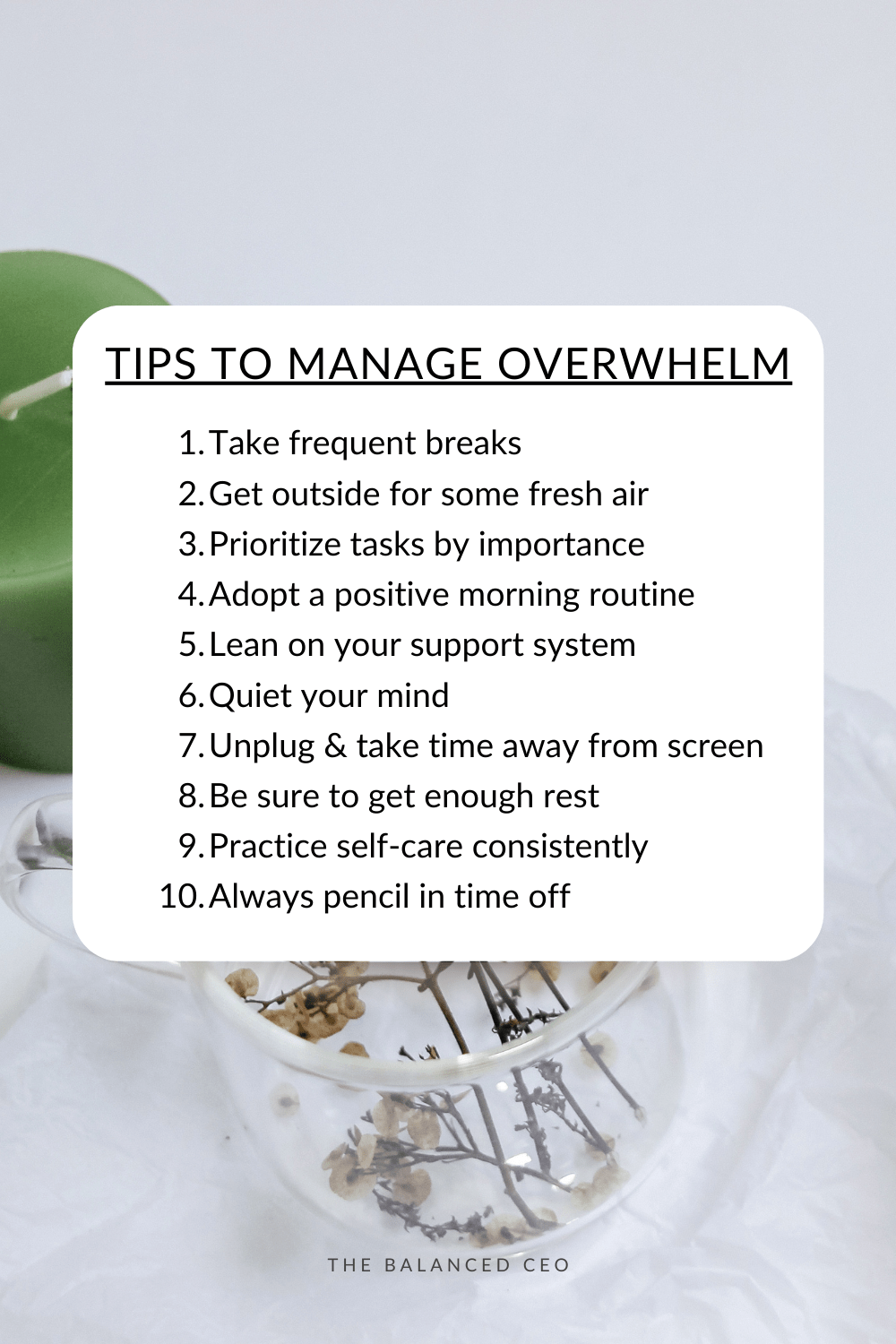
3. Leverage AI and Automation to Reduce Friction
In 2026, you shouldn’t be spending hours on repetitive, manual processes. Use productivity software and AI-driven templates to automate your scheduling and administrative workflows. By offloading low-level decision-making to technology, you free up your mental bandwidth for strategic thinking.
Look for tools that integrate with your existing calendar to provide automated reminders, priority tagging, and even AI-generated summaries of meetings. When your tools do the heavy lifting, you can focus on the human elements of your work that actually require your unique expertise.
4. Master the Art of “Realistic Goal Setting”
Overwhelm often stems from setting impossible deadlines. A key strategy for 2026 is to embrace realistic goal setting. If you consistently over-promise and under-deliver, you will inevitably end up feeling paralyzed by your own schedule.
- The Rule of Three: Limit your “must-do” list to three primary tasks per day.
Track your time: Use time-tracking apps for one week to understand where your time actually goes versus where you think* it goes.
- Saying “No”: Protect your time by setting firm boundaries on meetings or projects that do not align with your current capacity.

5. Cultivate Mindfulness to Regulate Stress
Time management isn’t just about the clock; it’s about your nervous system. When you feel the physical symptoms of being overwhelmed, your productivity plummets. Integrating mindfulness practices into your daily routine—such as a five-minute breathing exercise or a brief walk between meetings—can reset your focus.
Mindfulness allows you to observe your stress rather than being consumed by it. When you approach your to-do list with a calm mind, you make better decisions, execute tasks more efficiently, and finish your day with more energy remaining for your personal life.
Conclusion: Taking Control of Your 2026 Schedule
Managing time better when feeling overwhelmed is not about working more hours; it is about working with greater intentionality. By implementing these strategies—from time-blocking to leveraging modern automation—you can build a sustainable workflow that supports your long-term success.
Remember, the goal of productivity is to create space for what matters most. As you move through 2026, treat your time as your most valuable asset. Start small, pick one or two of these techniques, and watch how your sense of control over your day begins to transform.