
In our fast-paced 2026 landscape, the line between productivity and burnout has never been thinner. Whether you are navigating a volatile corporate environment, managing a personal crisis, or juggling an overwhelming workload, the ability to control your calendar is your greatest asset. When pressure mounts, our natural instinct is often to scramble, leading to fragmented focus and diminishing returns.
Learning how to manage time during stressful periods is not about doing more; it is about doing what matters with intention. By shifting your mindset from “survival mode” to “strategic execution,” you can maintain your professional standards and personal well-being simultaneously. This guide explores evidence-based strategies to help you stay calm, focused, and productive when the stakes are at their highest.
The Psychology of Time Under Pressure
When stress hits, your brain’s prefrontal cortex—the area responsible for executive function and decision-making—often takes a backseat to the amygdala, our “fight or flight” center. This biological response explains why, during high-stress situations, we often feel like we are “running in circles” without actually moving forward.
To regain control, you must externalize your cognitive load. Writing down your tasks is the first step in reclaiming your mental bandwidth. By moving your to-do list from your brain onto a physical or digital document, you reduce the “Zeigarnik Effect”—the psychological tendency to remember uncompleted tasks, which creates constant, low-level anxiety.
1. Establishing a Non-Negotiable Routine
One of the most effective ways to combat the chaos of a high-pressure environment is to anchor your day with a consistent routine. Even when everything else feels unpredictable, a set morning or evening ritual provides a psychological “safe harbor.”
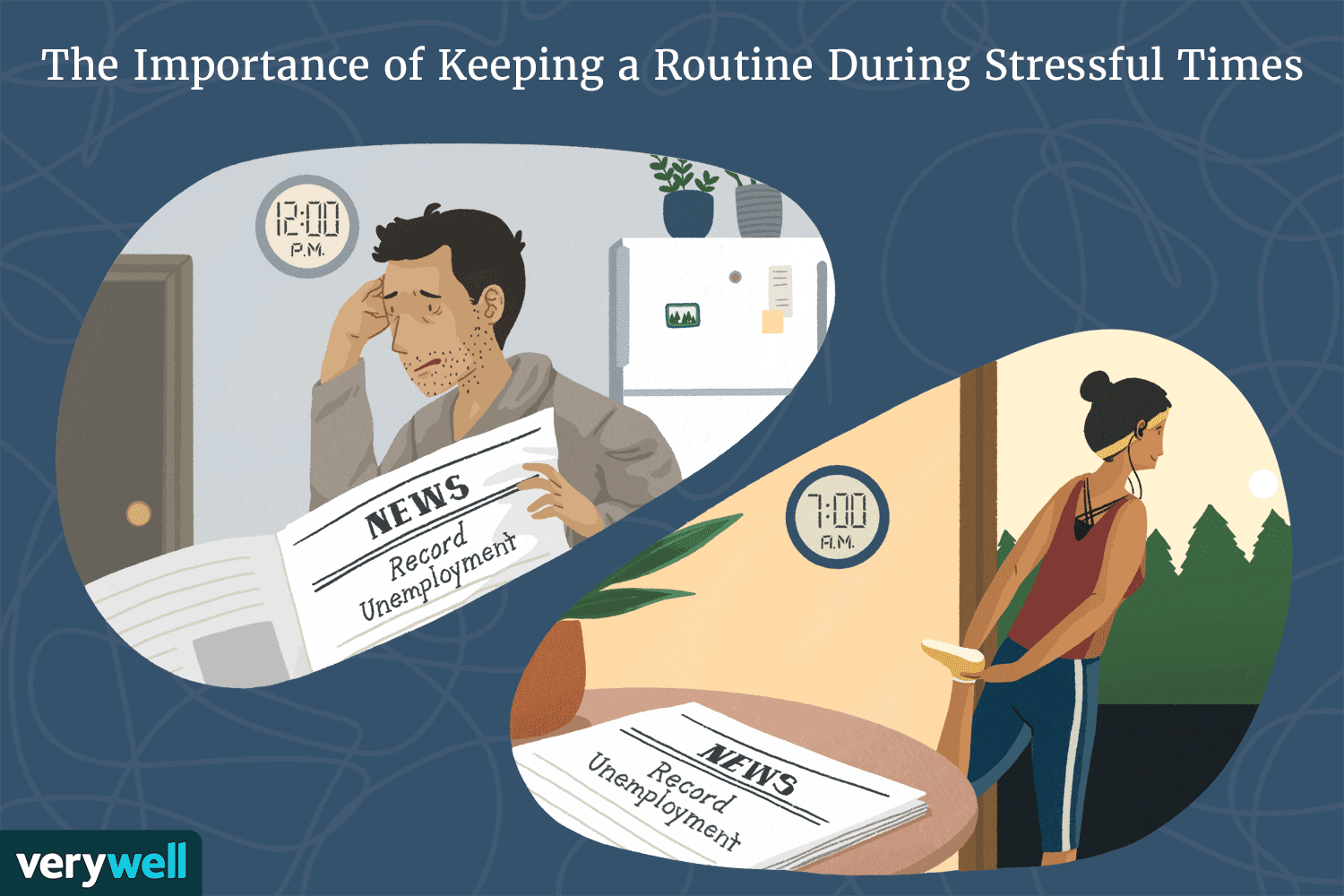
A routine doesn’t need to be rigid or complex. Start by defining three “anchors”:
A consistent wake-up time: This regulates your circadian rhythm, which is vital for sustained energy.
A “Shutdown” ritual: At the end of your workday, spend ten minutes clearing your desk and outlining the top three priorities for the next morning.
Scheduled “Deep Work” blocks: Protect your most productive hours from meetings and interruptions.
By automating the mundane parts of your day, you preserve your limited “decision fuel” for the tasks that actually require your unique expertise.
2. Prioritization Strategies for High-Stakes Scenarios
When everything feels like an emergency, nothing is. If you treat every email, message, and task as a “Priority One,” you will inevitably experience burnout. You need a robust framework to filter the noise.
The Eisenhower Matrix Redux
In 2026, the classic Eisenhower Matrix remains the gold standard for time management. Divide your tasks into four quadrants:
- Do First: Urgent and important (The fires that need putting out).
- Schedule: Important but not urgent (The strategic work that prevents future fires).
- Delegate: Urgent but not important (The administrative tasks others can handle).
- Eliminate: Neither urgent nor important (The distractions that drain your time).
The “Rule of Three”
Instead of a sprawling to-do list, commit to achieving only three major outcomes per day. By focusing on these three pillars, you ensure that even if the rest of your day is derailed by unforeseen stress, you have still made meaningful progress toward your core objectives.
3. Mastering Focus Through Mindfulness and Boundaries
Productivity is not just about time management; it is about energy management. During stressful periods, your focus is a finite resource. If you constantly switch between tasks—often called “context switching”—you pay a high “attention tax” that leaves you exhausted by midday.
The Power of Single-Tasking
Multitasking is a myth that reduces your IQ by an average of 10 points during the task. Instead, practice monotasking. Set a timer for 50 minutes of deep work, followed by a 10-minute break. This technique, often referred to as a modified Pomodoro, forces you to dedicate your full cognitive capacity to one project at a time.
Setting Firm Boundaries
Stress often stems from over-commitment. To manage your time effectively, you must learn the art of the strategic “no.” If a new request does not align with your current priorities or capacity, communicate your boundaries clearly and professionally. Use phrases like:
“I’m currently at capacity with [Project X], but I can revisit this on [Date].”
“I want to ensure this gets the attention it deserves, so I’ll need to push this to next week.”
4. Leveraging Technology and Tools in 2026
In 2026, we have access to AI-driven tools that can significantly reduce the burden of time management. Use these to your advantage, but avoid the trap of “productivity porn”—where you spend more time organizing your tools than actually working.
Time-Blocking Calendars: Use digital calendars to block out time for specific tasks, not just meetings. Treat these blocks as immutable appointments with yourself.
AI Assistants: Utilize AI tools to summarize long threads, draft routine emails, and organize your schedules. This can save you upwards of 5–10 hours per week.
Focus Apps: Use apps that block distracting websites during your deep-work sessions to minimize the temptation of digital interruptions.
5. Cultivating Self-Trust and Compassion
Managing time under stress is not a clinical, robotic process. It requires self-trust. If you miss a deadline or have a day where your productivity plummets, do not spiral into self-criticism. Self-criticism consumes the very energy you need to recover and move forward.
Instead, practice radical self-compassion. Acknowledge that the situation is difficult, recognize that you are doing your best, and pivot. The most successful professionals are not those who never face stress; they are the ones who have the quickest “recovery time” when things go wrong.
Metrics for Success
How do you know if your management techniques are working? Track these three indicators:
- Work-Life Integration: Are you still able to disconnect during your off-hours?
- Task Completion Rate: Are you finishing your “Big Three” tasks most days?
- Subjective Stress Level: On a scale of 1–10, is your stress level becoming more manageable over the course of the week?
Conclusion: Building Resilience for the Long Haul
Learning how to manage time during stressful periods is a skill that compounds over time. By implementing a consistent routine, ruthlessly prioritizing your tasks, setting firm boundaries, and leveraging modern tools, you can navigate even the most chaotic environments with grace.
Remember that productivity is a marathon, not a sprint. In 2026, the ability to protect your focus and maintain your mental health is a competitive advantage. You are not a machine; you are a human being who needs intentional rest and structure to perform at your peak. Start small today—pick one technique from this guide and apply it to your schedule tomorrow. You will be surprised at how quickly you regain your sense of agency and calm.
Understanding the Stress-Time Management Feedback Loop
To truly master time during periods of high stress, it’s crucial to first understand the insidious ways stress impacts our cognitive functions. When under duress, our brains shift into a survival mode, prioritizing perceived threats over complex problem-solving or meticulous planning. This isn’t just a feeling; it’s a physiological reality. Chronic stress has been shown to impair executive functions such as attention, working memory, and decision-making. For instance, a study published in Psychological Science highlighted how even moderate stress can significantly reduce our ability to switch tasks effectively and inhibit distractions, leading to what feels like a constant state of mental fog.
This cognitive overload often manifests as “decision fatigue,” where the sheer volume of choices, even minor ones, depletes our mental energy. What might typically be a straightforward task—like organizing an inbox or outlining a project—can feel overwhelmingly difficult when stress has already taxed your mental resources. You might find yourself staring blankly at your to-do list, unable to decide where to start, or jumping between tasks without making meaningful progress. Recognizing this feedback loop—stress leading to impaired time management, which in turn amplifies stress—is the first step toward breaking free.
The Power of Proactive Planning and Prioritization Under Duress
While basic prioritization techniques are always valuable, stressful periods demand a more nuanced, stress-adjusted approach. Instead of simply categorizing tasks by urgency or importance, consider incorporating an “energy audit” into your daily planning. Before you even look at your to-do list, take a moment to honestly assess your current mental and physical energy levels. Are you feeling drained, moderately energetic, or unusually focused? This self-assessment allows you to match tasks to your available resources. For example, if your energy is low, tackle smaller, less cognitively demanding tasks (e.g., responding to quick emails, scheduling appointments). Save complex problem-solving or creative work for moments when your energy is higher, even if it means shifting a “high-priority” task to a slightly later slot.
Furthermore, adopt the strategy of “micro-batching” and identifying your “minimum viable day.” Micro-batching involves breaking down already small tasks into even tinier, less intimidating components. Instead of “write report,” think “write one paragraph of report,” or even “research one data point for report.” This reduces the psychological barrier to starting. The “minimum viable day” focuses on identifying the absolute 1-3 tasks that must be completed to avoid significant negative consequences. Everything else becomes a bonus. This approach drastically reduces the pressure and the overwhelming feeling that often accompanies a long to-do list during stressful times, providing a clear, achievable target for the day.
Cultivating Self-Compassion and Flexibility in Your Schedule
In the relentless pursuit of productivity, especially under stress, it’s easy to fall into the trap of self-criticism when our output inevitably dips. However, research consistently shows that self-compassion is not a weakness but a powerful tool for resilience. Studies, including those by Dr. Kristin Neff, indicate that individuals who practice self-compassion exhibit greater motivation, emotional intelligence, and coping skills when faced with adversity. During stressful periods, your productivity will fluctuate. Instead of berating yourself for not meeting an overly ambitious goal, acknowledge the difficulty of the situation and adjust your expectations.
Build “buffer time” into your schedule—extra minutes or hours between tasks or meetings—to account for unexpected delays or the need for a mental breather. Recognize that some days will simply be less productive than others, and that’s okay. A flexible schedule isn’t a sign of weakness; it’s a strategic adaptation. If you find yourself unable to focus, rather than forcing it, consider taking a short walk, practicing a quick mindfulness exercise, or shifting to a completely different, less demanding activity for a brief period. This acceptance and flexibility prevent burnout and allow you to return to your tasks with renewed focus, rather than spiraling into frustration.
Strategic Use of Technology for Stress Mitigation and Focus
Beyond simply turning off notifications, technology can be a powerful ally in managing time and stress if used intentionally. Dedicated “focus apps” like Freedom or Cold Turkey can block distracting websites and applications for set periods, creating a digital sanctuary for deep work. These tools are particularly effective when stress makes it harder to self-regulate impulses to check social media or news feeds.
Similarly, consider incorporating “mindfulness apps” such as Calm or Headspace into your routine. Even a 5-10 minute guided meditation or breathing exercise can significantly reduce acute stress, clear mental clutter, and improve focus, allowing you to re-engage with your tasks more effectively. For managing complex projects, leverage project management tools like Trello, Asana, or Monday.com. By externalizing your mental load—listing tasks, deadlines, and dependencies in a visual, organized way—you free up valuable cognitive resources that would otherwise be consumed by trying to remember everything. This reduces mental fatigue and provides a clear roadmap, alleviating a significant source of stress.
Building a Resilient Schedule: Long-Term Strategies
Managing time during stress isn’t just about immediate tactics; it’s about building a sustainable system that anticipates and absorbs future pressures. Establish “non-negotiable” time blocks in your schedule for activities crucial to your well-being: deep work, physical activity, intentional rest, and genuine social connection. These are not luxuries; they are fundamental pillars of resilience. Treat these blocks with the same sanctity as a client meeting. For example, a 30-minute walk in the middle of the day or an hour dedicated to a hobby in the evening should be protected fiercely.
Regularly review and adjust your schedule. Stress levels are fluid, and what worked last week might not work today. Dedicate 10-15 minutes at the end of each week to reflect on what went well, what felt overwhelming, and how you can optimize your time management strategies for the upcoming week. Finally, embrace the importance of regular “digital detoxes.” Whether it’s an hour before bed, a half-day on the weekend, or even just leaving your phone in another room during focused work, disconnecting from screens allows your brain to truly rest and recharge, preventing the cumulative fatigue that often exacerbates stress and impairs time management.
In essence, managing your time effectively during stressful periods is less about rigid adherence to a schedule and more about cultivating a dynamic, self-aware, and compassionate approach to your work and well-being. It’s about recognizing your human limitations, adapting your strategies, and building a resilient framework that supports you, rather than drains you. By integrating these deeper insights and proactive strategies, you transform stress from a paralyzing force into an opportunity to refine your personal system for sustainable productivity and profound calm. The agency you seek is found not in fighting the stress, but in intelligently navigating it.