
In 2026, the digital landscape has become more immersive than ever. With AI-driven algorithms becoming hyper-personalized, the average user spends nearly three hours a day caught in the loop of mindless scrolling. If you feel like your days are slipping through your fingers, you aren’t alone—but you are also not powerless. Reclaiming your focus starts with recognizing that your attention is your most valuable currency.
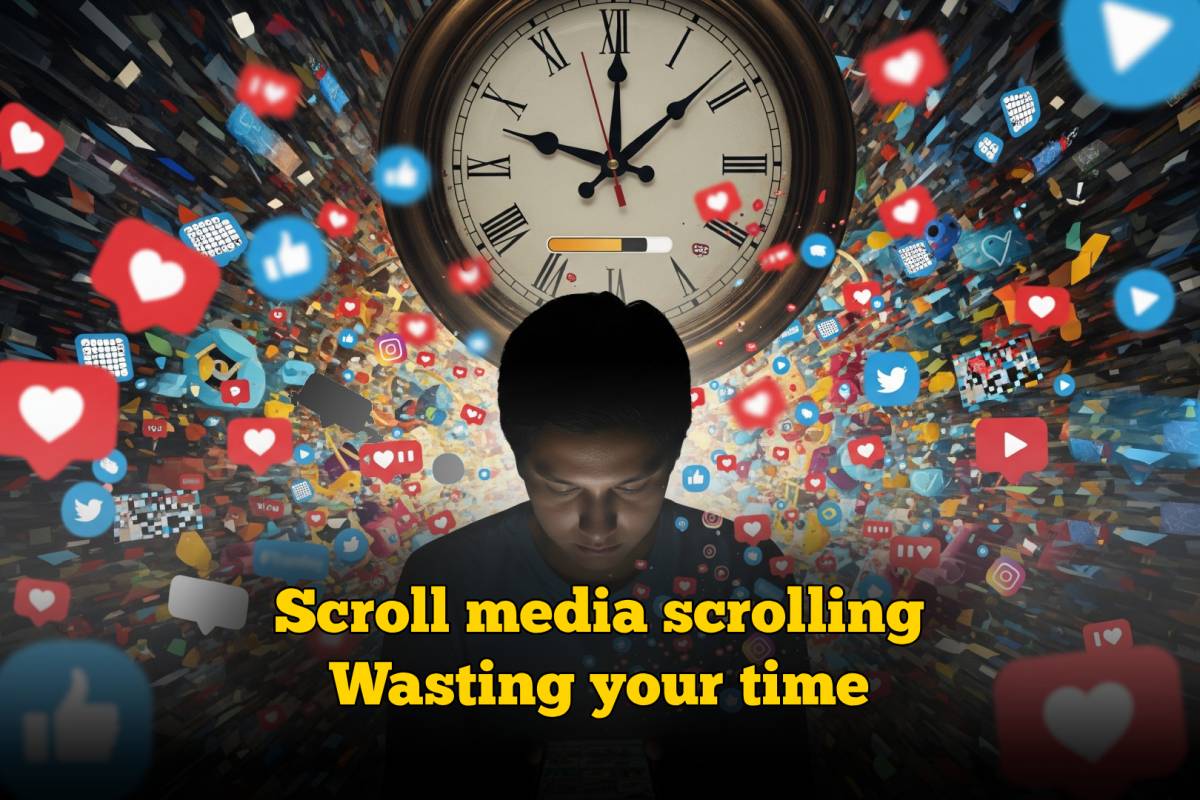
Understanding the “Doom Scrolling” Trap
The psychological design of modern platforms is intended to keep you tethered. By utilizing variable reward schedules, these apps trigger dopamine releases that make it difficult to put the phone down. Breaking the cycle of social media addiction requires more than just willpower; it requires a structural change to how you interact with your device.
When you lose hours to a feed, you aren’t just losing time; you are losing the mental bandwidth required for deep work, creative pursuits, and genuine human connection. The first step toward change is acknowledging the problem and committing to a digital detox strategy that actually sticks.
Step 1: Audit and Track Your Usage
You cannot manage what you do not measure. In 2026, most smartphones come equipped with advanced “Screen Time” or “Digital Wellbeing” dashboards.
- Review your weekly report: Look at the specific apps that consume the most time.
- Identify your triggers: Do you scroll when you are bored, stressed, or procrastinating on a big project?
- Set hard limits: Use built-in app timers to lock yourself out of high-consumption apps once you reach a specific daily quota.

Step 2: Curate Your Feed for Value
Not all digital content is created equal. If your feed is filled with accounts that make you feel inadequate or constantly distract you, it is time for a social media cull.
- Unfollow mindlessly: If an account doesn’t provide educational value, inspiration, or genuine connection, hit the unfollow button.
- Mute the noise: Use the “mute” feature for accounts that you feel socially obligated to keep but don’t actually want to see.
- Prioritize quality: Curate your feed to reflect your real-life goals, such as learning a new language, fitness, or professional development.
Step 3: Implement Tech-Free Zones
Creating physical boundaries is just as important as digital ones. By designating specific areas or times as “tech-free,” you force your brain to switch out of the “scrolling mode.”
- The Bedroom Rule: Keep your phone out of the bedroom at night. Use an old-fashioned alarm clock instead of your phone to avoid the temptation of pre-sleep or post-wake scrolling.
- The Mealtime Ban: Make every meal a screen-free experience. This allows you to practice mindful eating and engage with the people around you.
- The “Waiting Room” Strategy: Instead of grabbing your phone the moment you have a spare minute in line or at a cafe, practice being present. Observe your surroundings or simply let your mind wander—a skill that is quickly becoming a lost art.

Step 4: Replace Scrolling with Intentional Hobbies
The void left by social media must be filled with something meaningful. If you don’t have a plan for your newfound time, you will inevitably drift back to your old habits.
- Physical Activity: Swap 30 minutes of scrolling for a walk, a workout, or stretching.
- Creative Outlets: Revisit hobbies like reading, painting, cooking, or journaling.
- Skill Building: Use that reclaimed hour to learn something new through a structured course or book rather than a fragmented video feed.
The 30-Day Detox Plan
To truly break the habit, consider a 30-day digital detox. This isn’t about quitting the internet forever; it’s about resetting your baseline. To support your journey, download our free [Social Media Detox Planner]. It includes daily reflection prompts, tracking tools, and expanded activities to keep nearby whenever the urge to scroll strikes.
Why Consistency Matters
You will likely experience “withdrawal” symptoms in the first week. Your brain is accustomed to the high-frequency stimulation of social media. By staying the course, you allow your nervous system to regulate and your attention span to recover. Mindful digital habits are built through repetition, not perfection. If you slip up, simply reset the next day without judgment.
Conclusion: Reclaiming Your Life in 2026
Reclaiming your time from social media scrolling is one of the most impactful decisions you can make for your mental health and productivity in 2026. By setting boundaries, auditing your usage, and choosing intentional activities, you move from being a passive consumer of content to an active architect of your own life. Remember, the world is happening in real-time—don’t miss it because you were looking at a screen.