
In the fast-paced landscape of 2026, the difference between those who merely survive their workday and those who thrive often comes down to the first 60 minutes after waking up. A structured morning routine is no longer just a trend; it is a high-performance tool used by industry leaders to reclaim control over their schedules. By front-loading your day with intention, you eliminate decision fatigue and establish a cognitive rhythm that carries you through complex tasks with ease.
If you struggle with procrastination or find your to-do list overwhelming by noon, your morning may be the culprit. This guide explores how to craft a science-backed morning routine designed to skyrocket your time management skills and boost your daily output.
The Science of a Structured Morning
Research consistently shows that the human brain operates at peak cognitive capacity shortly after waking. When you start your day reactively—checking emails or scrolling through social media—you immediately sacrifice your focus to external demands.
By implementing morning mindset routines, you shift from a reactive state to a proactive one. This transition is essential for effective time management, as it allows you to prioritize high-impact goals before the chaos of the day begins.
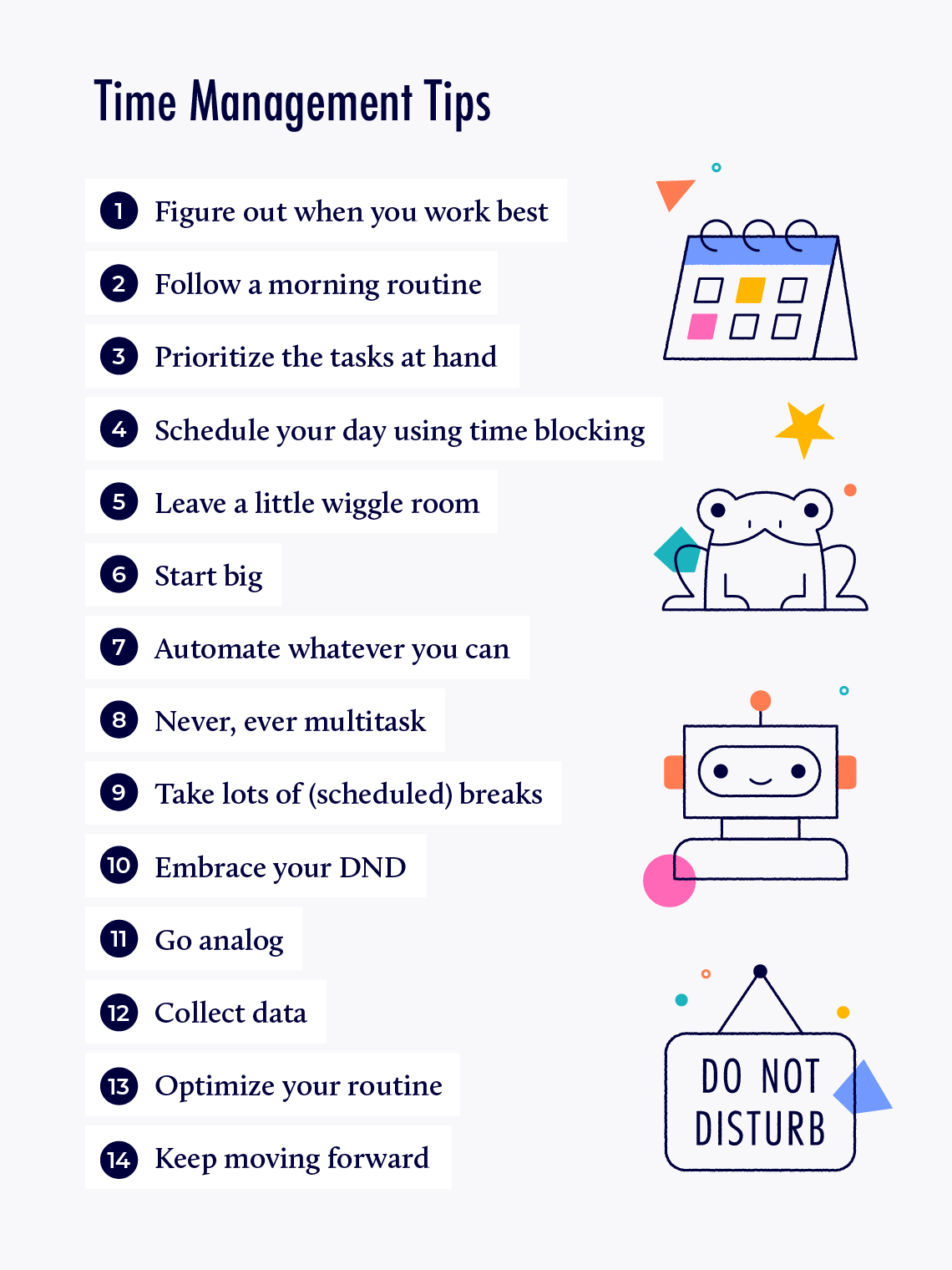
1. The “Eat the Frog” Preparation
Based on the classic productivity principle, the most effective way to manage your time is to identify your hardest task first. Spend the first 15 minutes of your morning reviewing your calendar and identifying the one task that requires the most mental energy.
- Define the “Frog”: Choose the task you are most likely to procrastinate on.
- Clear the Path: Remove all digital distractions before you even look at your inbox.
- Execute Early: Aim to complete this task before 10:00 AM to create an immediate sense of accomplishment.
2. The 15-Minute Time-Blocking Ritual
Time blocking is the gold standard for high performers in 2026. Instead of working from a chaotic to-do list, allocate specific “time buckets” for your most important projects.
Use your morning to map out your day in 90-minute blocks. This practice ensures that you aren’t just “busy,” but that you are purposefully productive. By assigning a start and end time to every task, you prevent work from expanding to fill your entire day, a phenomenon known as Parkinson’s Law.
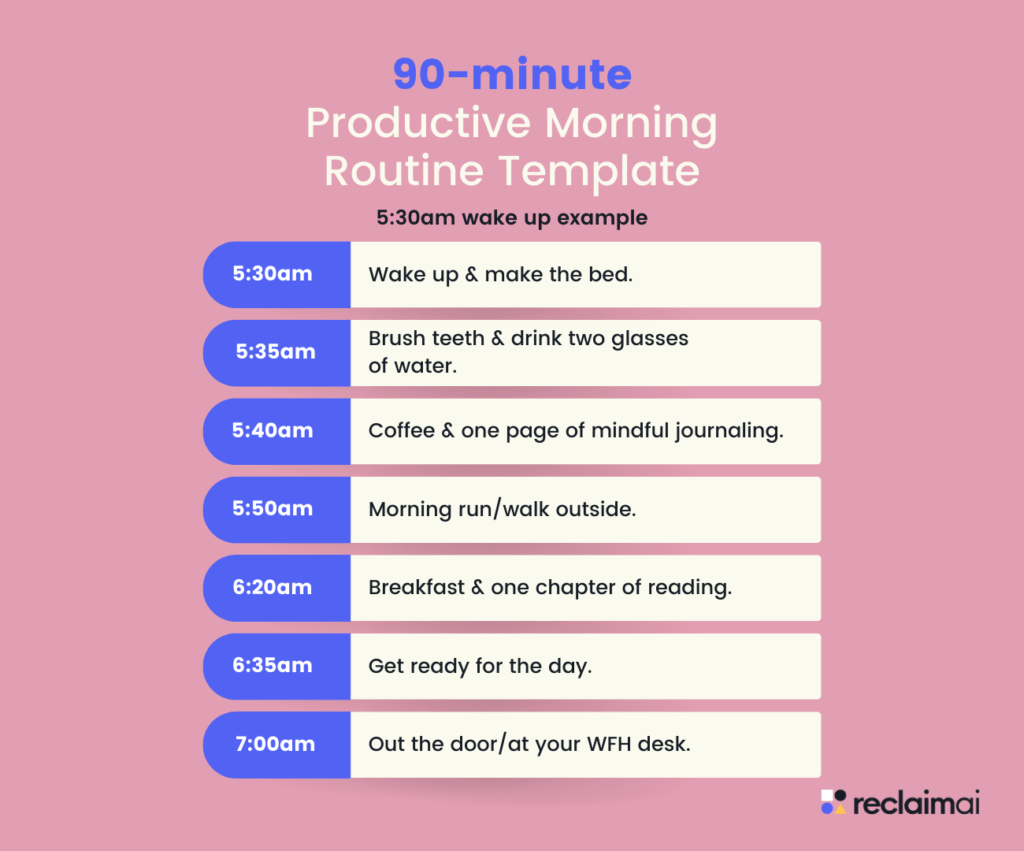
3. Physical Priming for Mental Sharpness
Time management is not just about logistics; it is about energy management. If your physical energy dips by midday, your ability to focus will plummet. Incorporating 10–20 minutes of movement—whether it is yoga, a brisk walk, or HIIT training—increases blood flow to the brain.
Studies suggest that morning physical activity stabilizes cortisol levels and improves decision-making speed. When your body is primed, your brain processes information faster, allowing you to manage your schedule with greater precision.
4. The “No-Screen” Morning Buffer
In 2026, digital noise is the number one killer of productivity. By instituting a “no-screen” policy for the first 30 minutes of your day, you protect your mental bandwidth.
When you check notifications immediately, you allow others to dictate your priorities. By delaying your digital entry, you ensure that your first thoughts of the day are your own, which is crucial for long-term time management success.

5. Daily Intentionality Reflection
Take five minutes to write down three “wins” you want to achieve by the end of the day. This simple practice of visualizing your goals anchors your intentions. When you are clear about what success looks like, you are less likely to get distracted by low-value tasks that clutter your schedule.
6. Optimized Workspace Preparation
Your environment dictates your speed. Spend the last few minutes of your morning routine clearing your desk or organizing your digital dashboard. A clean, organized environment reduces visual clutter, which in turn reduces mental clutter. When your tools are ready, you waste zero time “getting started.”
7. The Power of “Micro-Habit” Stacking
If you are new to structured mornings, don’t try to overhaul your life in one day. Use habit stacking. If you already have a morning coffee, stack your “time-blocking” ritual right after you pour your cup. By linking a new, productive habit to an existing one, you increase the likelihood of consistency, which is the secret ingredient to mastering your time.
Conclusion: Consistency is Key
Improving your time management skills is not about working more hours; it is about working with greater clarity and intention. By testing these morning routines, you can discover which combination best serves your unique workflow.
Remember that consistency beats intensity. Even a simple 15-minute setup in the morning can compound into massive gains in efficiency over a month. Start small, stay disciplined, and watch how your ability to manage time—and your overall quality of life—transforms in 2026.