
In the fast-paced landscape of 2026, time is no longer just a resource—it is your most valuable currency. As AI-driven workflows and hyper-connected environments redefine how we work, the old methods of simple to-do lists are no longer enough. To truly excel, you must move beyond basic scheduling and embrace a holistic approach to productivity.
This comprehensive guide is designed to help you navigate the complexities of the modern digital age. Whether you are a remote professional, an entrepreneur, or a student, these strategies will provide the structure you need to achieve more while maintaining your mental clarity.
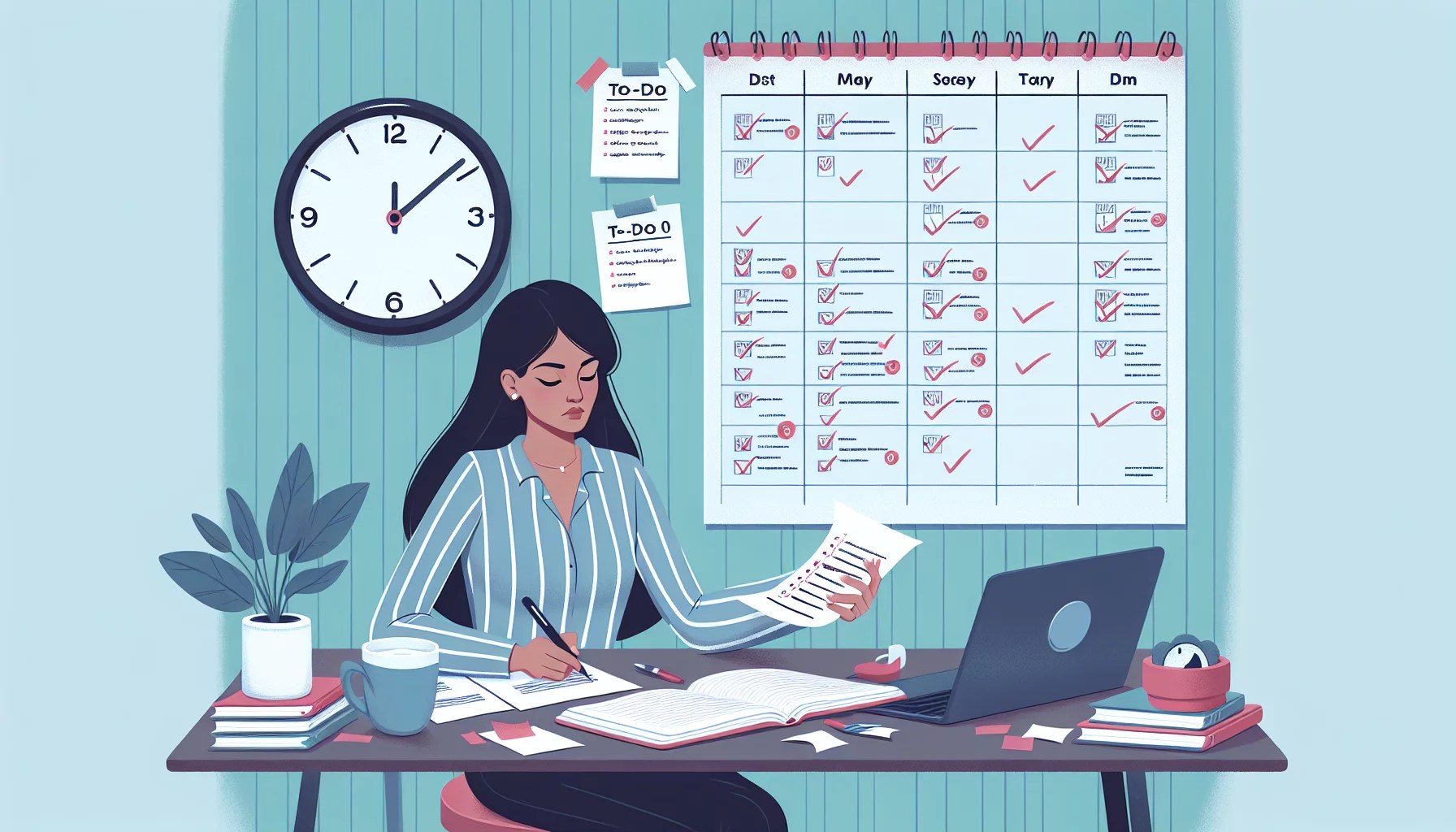
Why Traditional Time Management Fails in 2026
The primary reason most people struggle with productivity is that they focus on managing time rather than managing energy. In 2026, the sheer volume of digital notifications and cognitive load requires a more sophisticated approach.
Psychological traps, such as “productivity dysmorphia”—the feeling that you haven’t done enough despite being busy—often lead to burnout. To master your schedule, you must first acknowledge that your brain has limited capacity for high-focus tasks.
Mastering Your Energy Cycles for Peak Output
Your biology is the foundation of your output. In 2026, the most successful individuals utilize chronobiology to align their hardest tasks with their natural energy peaks.
- Identify Your Chronotype: Are you an early bird or a night owl? Schedule your most cognitively demanding “Deep Work” sessions during your peak alertness hours.
- Ultradian Rhythms: Work in 90-minute blocks followed by a 15-minute restorative break. This prevents the cognitive fatigue that sets in after two hours of continuous focus.
- Digital Fasting: Dedicate specific times of the day to disconnect from all notifications. Even 60 minutes of uninterrupted focus can yield more results than three hours of distracted multitasking.

Proven Frameworks for 2026 Productivity
Frameworks provide the guardrails necessary to keep you on track when motivation wanes. Here are the three most effective methodologies for this year:
1. Advanced Timeboxing
Timeboxing is the art of assigning a specific task to a specific block of time in your calendar. Unlike a to-do list, which is an infinite wish list, a timeboxed calendar is a commitment. If it isn’t on the calendar, it doesn’t exist.
2. The 1-3-5 Rule
To avoid the overwhelm of a massive to-do list, limit your daily goals to:
- 1 Major Task: The “Big Rock” that moves the needle on your long-term goals.
- 3 Medium Tasks: Important items that require focus but aren’t your primary objective.
- 5 Small Tasks: Quick administrative wins like emails, scheduling, or filing.
3. The Eisenhower Matrix (AI-Enhanced)
Use AI tools to categorize your tasks by urgency and importance. In 2026, leverage automation to handle the “Delegate” and “Delete” quadrants, leaving you free to focus on “Strategic Planning.”
Taming the Inbox and Digital Clutter
The inbox is the graveyard of ambition. In 2026, the “Zero-Inbox” philosophy is secondary to “Inbox-Minimalism.” Use AI-powered email filters to sort communication automatically.
- Batching: Only check email at three specific intervals: morning, post-lunch, and end-of-day.
- The 2-Minute Rule: If a task takes less than two minutes, do it immediately. If it takes longer, schedule it.
- Notification Hygiene: Disable all non-human notifications. If it’s an automated alert, it doesn’t deserve your immediate attention.

The Psychological Traps of Productivity
Even with the best tools, you are susceptible to internal friction. Understanding these traps is the final piece of the puzzle:
- Planning Fallacy: We consistently underestimate how long tasks will take. Always add a 20% “buffer time” to every timebox.
- Parkinson’s Law: Work expands to fill the time available for its completion. Set artificial, tighter deadlines to spark creativity and urgency.
- Decision Fatigue: Automate your small decisions—what to wear, what to eat, or your morning routine—to save your willpower for high-value decision-making.
Conclusion: Your Path to Mastery
Mastering time management in 2026 is not about being a robot. It is about intentionality. By aligning your tasks with your energy levels, utilizing proven frameworks like timeboxing, and protecting your focus from digital noise, you reclaim the one resource that never replenishes.
Start small. Implement one of these strategies this week and observe the shift in your productivity. You have the tools, the knowledge, and the framework—now it’s time to take control of your 2026.