
In an era of relentless digital noise and constant connectivity, the ability to maintain unwavering focus is no longer just a soft skill—it is a competitive advantage. As we navigate through 2026, the gap between those who dream and those who achieve is bridged by one fundamental discipline: intentional planning. Whether you are looking to scale your business, master a new skill, or improve your personal well-being, the architecture of your success lies in how you manage your attention and organize your path.
Achieving your goals is rarely about raw talent or sheer willpower. Instead, it is about the systems you build to sustain momentum when motivation inevitably fades. By integrating proven productivity strategies and frameworks with modern mindful tactics, you can turn your ambitious vision into a predictable, daily reality. This guide explores the most effective, evidence-based strategies to sharpen your focus and supercharge your planning for long-term success. These are crucial focus and planning tips for goal achievement.
1. The Foundation: Why SMART Goals Still Rule in 2026
The cornerstone of any effective goal setting framework remains the SMART goal methodology. While it has been around for decades, its application in 2026 has evolved to include more focus on mental clarity and adaptability. To ensure your goals are actionable, they must be Specific, Measurable, Achievable, Relevant, and Time-bound.
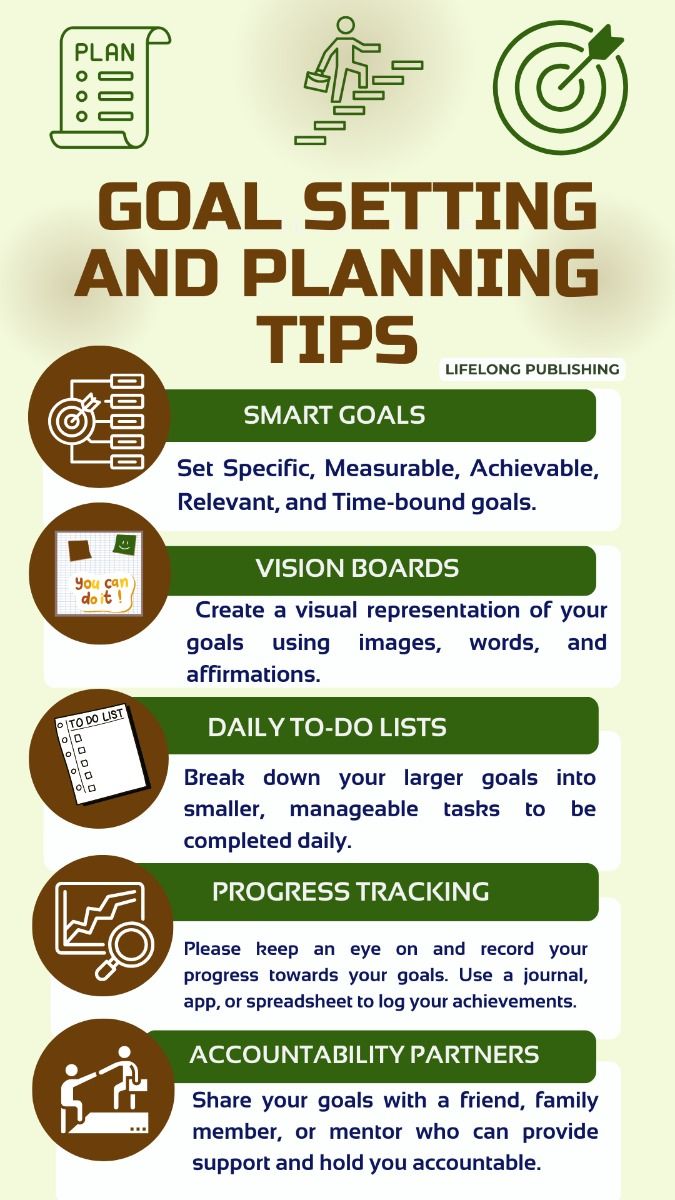
Breaking Down the SMART Framework
Specific: Instead of “I want to be more productive,” aim for “I will complete my deep-work sessions by 11:00 AM every weekday.”
Measurable: Use data to track your progress. If you aren’t measuring it, you aren’t managing it.
Achievable: Set goals that challenge your capabilities but remain within the realm of possibility.
Relevant: Ensure your goals align with your long-term values. If a goal doesn’t serve your “why,” it will quickly lose its appeal.
Time-bound: A goal without a deadline is merely a wish. Assign clear dates to every milestone.
By applying this structure, you strip away the ambiguity that often leads to procrastination, a crucial step in overcoming procrastination. When you know exactly what you are working toward, your brain stops wasting energy on “decision fatigue” and starts focusing on execution.
2. Optimizing Your Environment for Deep Work
Your environment is the silent architect of your habits. In 2026, the concept of environmental design has become a critical pillar for professional success. If your workspace is cluttered with digital distractions and physical chaos, your cognitive load increases, making cognitive load management essential and significantly harder to enter a “flow state.”
Tactics for a Focused Workspace
Digital Minimalism: Use browser extensions or app blockers to restrict access to social media during your peak productivity hours.
Physical Organization: A clear desk fosters a clear mind. Dedicate five minutes at the end of every day to reset your workspace for the following morning.
Sensory Cues: Use noise-canceling headphones or specific ambient playlists to signal to your brain that it is time for deep, focused work.
Studies show that it can take up to 23 minutes to regain full focus after a single interruption. By curating your environment to minimize these disruptions, you reclaim hours of valuable time every single week.
3. The Power of Micro-Planning and Task Batching
One of the most common pitfalls in goal achievement is the tendency to view a goal as a singular, monolithic task. This often leads to overwhelm and paralysis. The secret to consistent progress and effective time management techniques is micro-planning: breaking down your major objectives into granular, bite-sized tasks that can be completed in under 60 minutes.
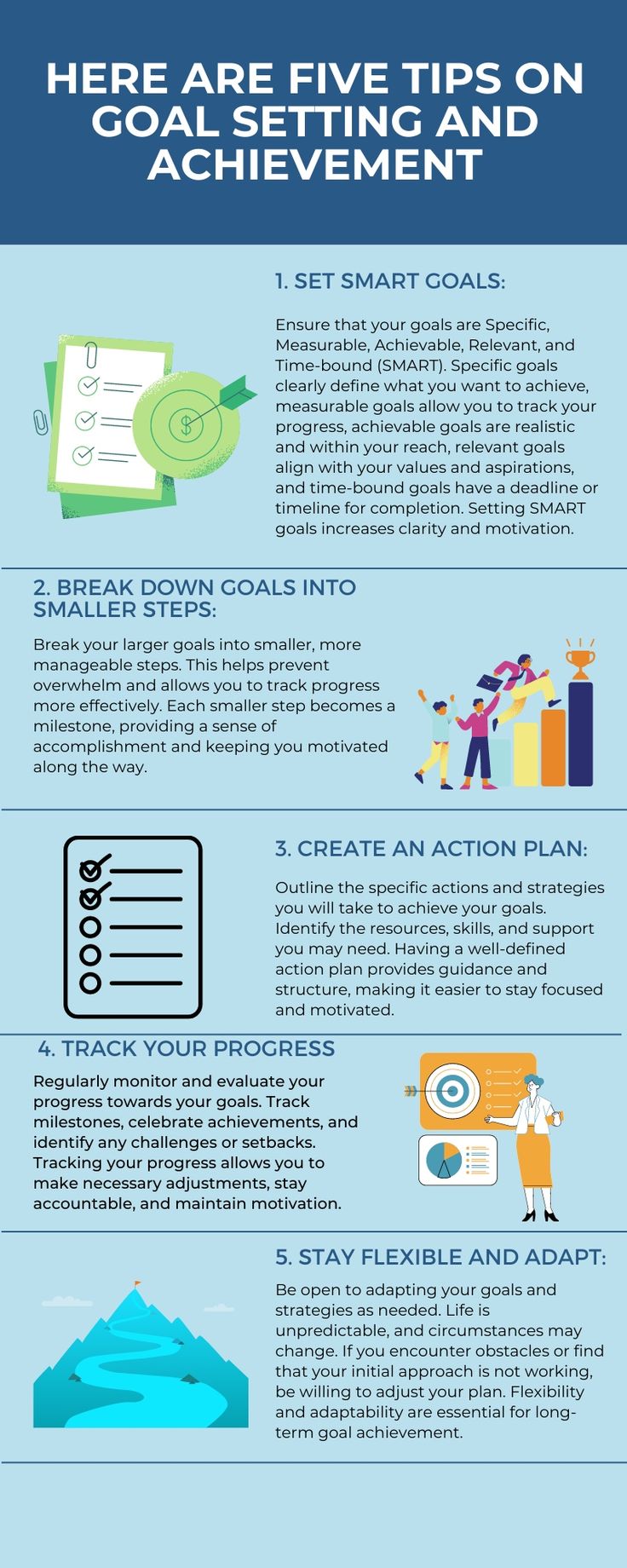
Why Task Batching Works
Task batching involves grouping similar activities together to reduce the cognitive cost of context switching. For example, instead of answering emails throughout the day, dedicate two specific time blocks—one in the morning and one in the afternoon—to clear your inbox.
Group similar tasks: Writing, data analysis, and administrative tasks should be handled during different energy cycles.
The 80/20 Rule: Identify the 20% of tasks that produce 80% of your results. Develop strong prioritization skills and prioritize these relentlessly.
Daily Review: Spend the last 15 minutes of your workday planning the next day. This ensures you start your morning with a clear roadmap, avoiding the “what should I do first?” trap.
4. Mindful Tactics for Sustained Concentration
In 2026, we are learning that focus is not just about willpower; it is about energy management. You cannot sustain high-level performance if your mental battery is depleted. Mindfulness practices and mindful tactics are now essential tools for professionals who want to maintain their competitive edge without burning out.
Integrating Mindful Productivity
The Pomodoro Technique Refined: Work for 50 minutes, followed by a 10-minute break. During your break, step away from screens. Movement is essential to resetting your focus.
Cognitive Reframing: When you feel stuck, shift your perspective. Ask, “What is the smallest possible step I can take right now to move forward?”
Single-Tasking: Multitasking is a myth. Research confirms that switching between tasks lowers your IQ by as much as 10 points. Commit to doing one thing at a time, and do it with your full attention.
By practicing these mindful habits, you train your brain to stay present. This commitment to self-discipline and consistent habit formation ensures that when you are fully immersed in the task at hand, the quality of your output increases, and the time required to complete complex projects decreases.
5. Overcoming Obstacles and Maintaining Momentum
Even the most well-planned goals will face hurdles. The difference between those who quit and those who succeed is the ability to implement contingency planning. In 2026, successful goal-setters anticipate failure and plan for it.
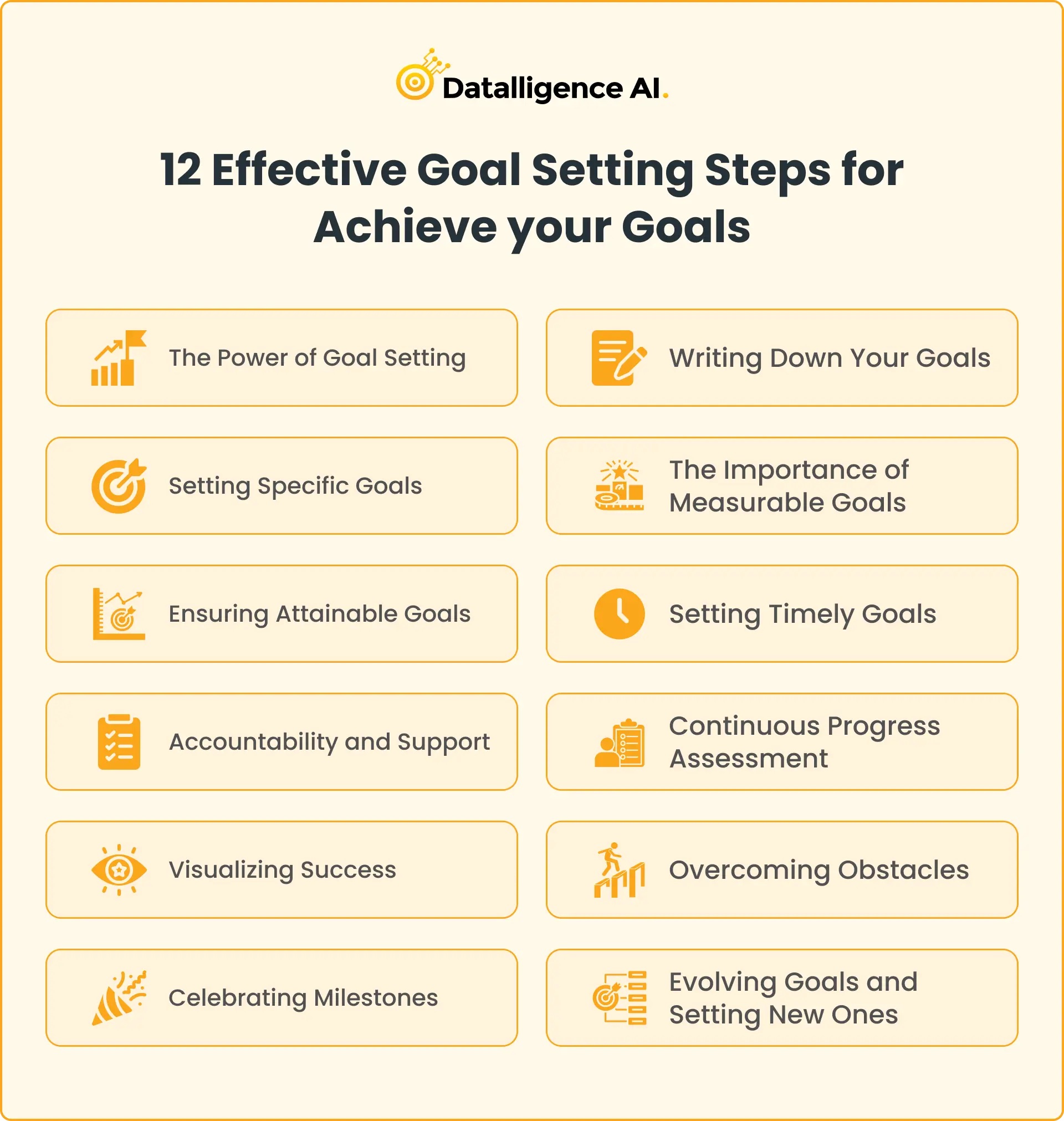
Building Resilience into Your Plan
The “If-Then” Strategy: Create “if-then” scenarios to handle common obstacles. For example: “If I have a sudden meeting request, then I will push my deep work block to immediately after lunch.”
Celebrate Small Wins: Dopamine is the fuel of motivation. By acknowledging the completion of small milestones, you create a positive feedback loop that encourages you to keep going.
Regular Audits: Conduct a weekly review of your progress. Are your current strategies working? Do you need to pivot? Flexibility is just as important as consistency.
Remember that progress is rarely linear. There will be days when your focus wavers, and that is perfectly normal. The key is to return to your plan as soon as possible, without judgment. Your goal is not perfection; it is consistent forward motion.
6. Leveraging Technology for Goal Tracking
In 2026, technology is your greatest ally in maintaining focus. However, the key is to use tools that support your goals rather than becoming a source of distraction themselves.
Recommended Workflow Tools
Project Management Software: Use platforms like Notion, Trello, or Asana to visualize your progress. Seeing your tasks laid out on a Kanban board provides a psychological boost.
Time Tracking Apps: Apps like Toggl or RescueTime can help you identify exactly where your time goes, revealing hidden “time leaks” that prevent you from focusing on your true priorities.
Digital Calendaring: Treat your calendar as a sacred contract with yourself. If a task isn’t on your calendar, it doesn’t exist. Time-block your deep work just as you would a high-priority client meeting.
The Future of Achievement: Consistency Over Intensity
As we look toward the remainder of 2026, it is clear that the most successful individuals are those who have mastered the art of sustainable focus and performance optimization. They don’t rely on bursts of intense, unsustainable effort. Instead, they build daily habits that align with their long-term objectives.
Goal achievement is a marathon, not a sprint. By setting clear SMART goals, optimizing your environment, utilizing task batching, and integrating mindful practices, you create a robust structure for success. These are essential focus and planning tips for goal achievement. You aren’t just checking off items on a to-do list; you are actively designing a life that aligns with your highest aspirations.
Start small. Pick one or two of the strategies mentioned above and implement them this week. Whether it is clearing your desk, blocking your calendar for deep work, or simply breaking down your next big project into manageable tasks, every action counts. Your goals are within reach—all you need is the right plan and the focus to execute it.
Stay disciplined, stay mindful, and keep your eyes on the horizon. The success you are working toward today is the foundation of your reality in 2026 and beyond.